As more people explore digital currencies for savings, payments, or online earnings, many are looking for ways to store their crypto safely without unnecessary complexity. For beginners, the crypto world can seem confusing — some platforms require additional setup steps and structured onboarding processes, while others are designed to be more flexible and user-friendly, allowing individuals to manage assets directly.
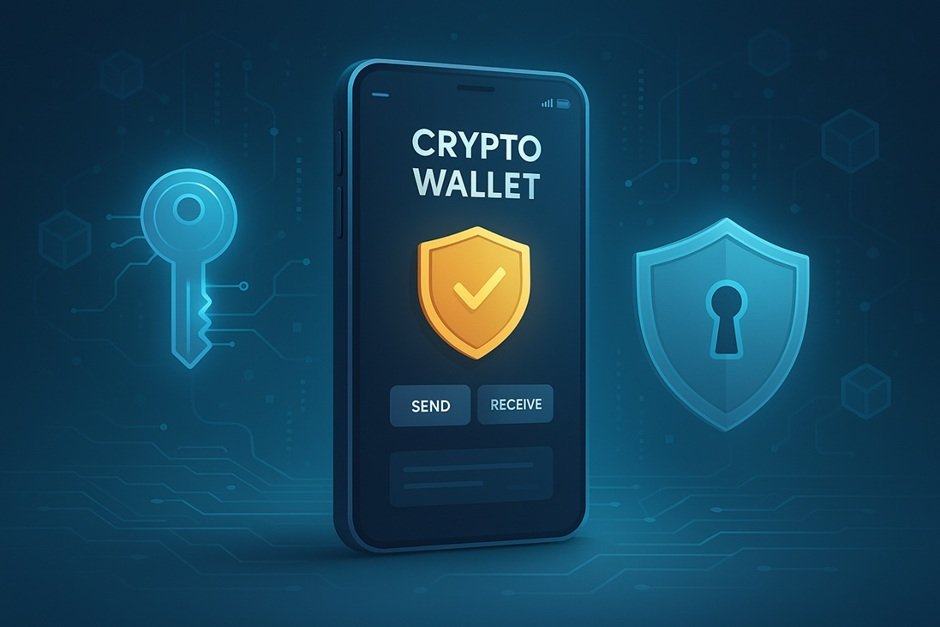
One option growing in popularity is the non-custodial crypto wallet — a type of wallet that allows users to store and transfer digital assets while maintaining full control over their funds and private keys. For users who want a straightforward and accessible way to manage their crypto, this type of wallet offers a clear and uncomplicated path.
What Makes a Non Custodial Crypto Wallet Different
A non-custodial crypto wallet allows users to manage crypto while maintaining full control over their private keys. Unlike custodial wallets on exchanges — where assets are managed by a service provider — a non-custodial wallet gives users direct control over how their funds are stored and accessed.
This means:
- the user controls the private keys,
- access is managed directly by the user,
- funds are handled independently of a single service provider,
- and transactions can be performed directly on blockchain networks.
For many, this makes crypto storage more flexible and secure, especially for those who value control over how their digital assets are managed.
Why Users Choose This Type of Wallet
Several benefits explain the rising interest in non-custodial wallets:
1. Simple for beginners
Setup can be quick and straightforward, with user-friendly interfaces and minimal configuration steps.
2. User-focused design
Many wallets are built to be accessible and easy to use, helping reduce complexity for everyday users.
3. Full control of digital assets
Holding private keys allows users to manage how their assets are stored and accessed.
4. Flexible for international use
These wallets can be used across different regions, supporting global access to digital assets.
5. Smooth integration with Web3
Many decentralised applications work well with wallets designed for direct interaction with blockchain networks.
These features make non-custodial crypto wallets appealing for individuals seeking flexibility, control, and ease of use.
Practical Everyday Uses
People use non-custodial wallets for many purposes, including:
- long-term storage of digital assets
- cross-border transactions
- receiving income from online platforms or freelance work
- connecting to Web3 services like NFTs, blockchain games, and DeFi apps
- organizing finances with separate wallets for savings, earnings, or budgeting
With straightforward setup and user-friendly design, even beginners can start confidently.
How BitHide Supports User-Controlled Crypto Operations
BitHide provides an example of how a non-custodial crypto solution can make managing digital assets more structured and accessible. The software enables businesses to create and manage wallets while maintaining full control over funds, private keys, and transaction processes.
Key features include:
- non-custodial architecture, ensuring full control over private keys
- multi-wallet management, useful for organising financial operations
- manual and automated transaction workflows
- support for major assets such as BTC, ETH, USDT, USDC, TRX, and BNB
- the ability to integrate third-party AML/KYT tools for transaction screening
This combination helps users manage crypto operations in a structured and secure way, supporting flexibility while aligning with operational and compliance requirements.
Safety Tips for Users
Although non-custodial wallets offer greater control over asset management, users should keep certain responsibilities in mind:
1. Protect private keys and recovery phrases
Losing them means losing access permanently.
2. Keep devices secure
Strong passwords, updated software, and safe storage practices are essential.
3. Be cautious with transactions
Avoid interacting with unknown or suspicious addresses.
Following these steps helps users use a non-custodial wallet safely and confidently.
Conclusion
For anyone looking for a simple and secure way to store digital assets, non-custodial wallets offer a practical starting point. They support direct ownership of assets and fit naturally into the growing ecosystem of blockchain-based applications.
Solutions like BitHide provide structured tools that help users manage wallets and transaction workflows while maintaining full control over their funds and private keys. Whether someone is new to crypto or exploring more advanced use cases, non-custodial solutions offer a flexible and accessible approach to digital asset management.