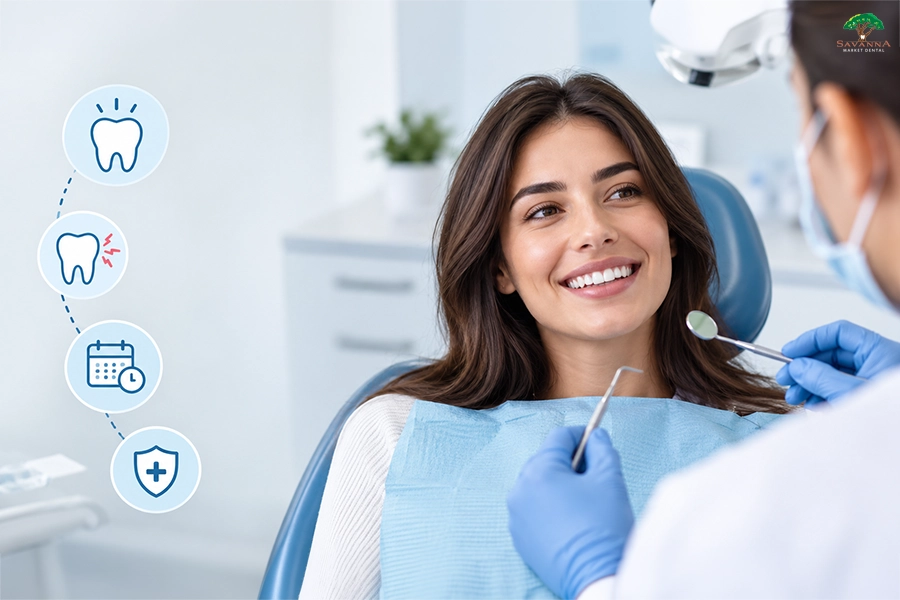
An expert skincare consultation is a clinical, evidence-led assessment that combines medical-grade skin analysis with a personalised treatment plan to improve skin health and address cosmetic concerns. This consultation identifies root causes such as inflammation, hormonal factors, sun damage, or ageing—then selects targeted products and procedures to address them, delivering measurable improvements over time. Readers will learn what to expect during an advanced facial and skin health consultation, how conditions like acne, pigmentation, and ageing are diagnosed and treated, and how medical-grade products are integrated into a phased plan. The article also explains the consultation workflow, common assessment tools used in expert skin analysis in Brisbane, and practical preparation tips for in-person sessions. By the end, you will understand the clinical rationale behind personalised plans and how follow-up and monitoring secure lasting results, all framed for someone seeking an expert skincare consultation in Brisbane.
Cosmetics at Bardon Medical is a Brisbane-based clinic offering medically focused skincare consultations that develop personalised treatment plans and product recommendations for acne, pigmentation, and ageing concerns. Their friendly, experienced clinical team provides safe, evidence-based care and retails medical grade SkinCeuticals products for use within treatment plans. If you are local to Bardon, Brisbane, this clinic offers a comprehensive consultation pathway to guide decisions about in-clinic procedures and homecare. The following sections explain the consultation value, process, condition-specific approaches, product guidance, team credentials, and booking preparation so you can make an informed choice.
Why Choose a Personalised Skincare Consultation in Brisbane?
A personalised skincare consultation is a medical assessment that targets the underlying drivers of skin issues rather than temporary symptom management, producing more reliable and longer-lasting results. It works by combining a clinician-led history and visual skin analysis with evidence-based product and procedure selection, which reduces trial-and-error and the risk of adverse reactions. The specific benefit is a structured plan that prioritises safety, measurable outcomes, and realistic timelines for improvement, which is especially valuable for acne, pigmentation, and anti-ageing goals in Brisbane’s climate. Understanding these advantages clarifies why a medical-led consultation offers a clearer path to healthier skin than generic retail advice.
What Are the Key Benefits of Expert Skincare Consultations?
Expert skincare consultations deliver precise diagnosis, safety oversight, tailored plans, and measurable progress tracking that together increase the likelihood of meaningful skin improvements. A clinical history and focused skin analysis reveal contributors such as hormonal imbalance, chronic inflammation, or cumulative photodamage, enabling clinicians to prioritise interventions effectively. These consultations also provide access to clinician-only products and in-clinic procedures, which raise the ceiling for results compared with over-the-counter options. Importantly, ongoing review appointments allow plans to be adjusted for tolerance and response, which preserves gains and minimises complications.
How Does Medical Skincare Consultation Improve Skin Health?
Medical skincare consultations improve skin health through a structured cycle: assessment identifies pathology, evidence-based treatments address mechanisms, products support repair, and follow-up monitors progress and tolerance. For example, acne management targets sebum production and inflammation, pigmentation plans target melanin synthesis and barrier repair, and anti-ageing strategies focus on collagen support and photoprotection. Case examples show that when these components are combined and phased correctly, lesion counts fall, pigmentation fades, and skin texture improves within defined timeframes. Continuous monitoring enables clinicians to escalate or simplify treatment based on objective measures, which preserves long-term skin health.
What Happens During an Advanced Facial and Skin Health Consultation?
An advanced facial and skin health consultation follows a stepwise clinical workflow: intake and medical history, detailed skin analysis, formulation of a personalised plan, and scheduling of follow-up and in-clinic treatments. The process is designed to be thorough yet practical so that goals, safety considerations, and timelines are clear from the first visit. A step-by-step ordered outline below captures the typical flow and what each stage delivers, which helps reduce anxiety and sets realistic expectations for outcomes.
The consultation workflow can be summarised as the following actionable steps:
- Initial intake and medical history review: Clinician documents medical conditions, medications, lifestyle factors, and prior skincare routines.
- Comprehensive skin analysis: Visual, tactile, and imaging assessments identify type, hydration, texture, pigmentation, and inflammatory markers.
- Personalised treatment plan: A phased plan is produced with homecare, in-clinic treatments, and measurable goals.
- Follow-up and monitoring: Appointments are scheduled to assess tolerance, track improvement, and adjust treatments.
How Is Your Skin Assessed by Our Skin Health Experts?
Skin assessment in an advanced consultation combines clinical history, visual inspection, and objective measures to characterise the skin comprehensively. Clinicians assess skin type, barrier function, hydration, texture irregularities, pigment distribution, and inflammatory lesions, and they review medications and systemic factors that influence skin. When available, imaging or dermatoscopy adds reproducible photos that track progress and highlight subtle changes that guide treatment choices. This layered assessment improves diagnostic accuracy and directly informs the selection of actives, procedural timing, and necessary precautions.
How Are Personalised Treatment Plans Developed?
Personalised treatment plans are developed by integrating assessment findings with client goals, safety constraints, and evidence-based options to create a phased roadmap that sequences homecare and procedures. Plans prioritise immediate safety (e.g., treating active inflammation) before introducing potent actives, and they phase in in-clinic procedures when the skin is appropriately prepared. Typical components include medical-grade topical regimens, procedural sessions (such as needling or peels when indicated), and scheduled reviews to measure outcomes. Clear outcome metrics—photographs, lesion counts, or pigmentation scales—allow objective tracking and timely adjustments based on response.
How Do Expert Consultations Address Common Skin Concerns?
Expert consultations map each condition to targeted assessments and tailored interventions, ensuring that treatments address the dominant pathophysiology rather than surface symptoms.
The table below summarises typical assessment findings and the recommended treatment options so readers can see the clinical logic behind different pathways.
| Condition | Typical Assessment Findings | Recommended Treatment Options |
| Acne | Comedones, inflammatory papules, oily skin, history of flares | Topical retinoids/bensoyl peroxide combos, prescription topicals, anti-inflammatory measures, procedural options, and monitoring |
| Pigmentation | Irregular hyperpigmented patches, history of sun exposure, post-inflammatory marks | Tyrosinase-inhibiting actives, chemical peels, targeted in-clinic therapies, strict photoprotection |
| Ageing | Fine lines, volume loss, reduced elasticity, thinning epidermis | Retinoids and peptides, antioxidant serums, collagen-stimulating procedures, maintenance photoprotection |
What Personalised Solutions Are Available for Acne Management?
Acne management in a personalised plan typically combines topical medical-grade treatments, lifestyle adjustments, and selective in-clinic procedures to reduce lesion counts and prevent scarring. Clinicians identify drivers—seborrhoea, follicular hyperkeratosis, inflammation, or hormonal factors—and build a phased regimen that often begins with anti-inflammatory and comedolytic agents to stabilise disease. Over weeks to months, treatment intensity is titrated based on response, with procedural options reserved for persistent lesions or scarring prevention. Regular review visits measure lesion reduction and tolerance, enabling clinicians to step up or step down interventions responsibly.
How Are Pigmentation and Aging Concerns Treated?
Treating pigmentation and signs of ageing requires combining medical-grade topicals with selectively timed in-clinic procedures to reduce melanin activity and stimulate dermal repair. Clinicians commonly introduce tyrosinase-inhibiting ingredients, antioxidants, and retinoids alongside photoprotection to prevent recurrence, while in-clinic modalities target pigment removal and collagen induction. Treatment commitments vary: pigment improvement often requires several months with maintenance, whereas collagen-stimulating procedures produce progressive improvement over months with serial sessions. Emphasis on photoprotection and ongoing maintenance is essential to preserve gains and limit relapse.
Which Medical-Grade Skincare Products Are Recommended?
Medical-grade products differ from over-the-counter options by their formulation concentrations, stability, and clinical evidence, making them useful components of personalised treatment plans when selected by clinicians. Products are chosen to match assessment findings—antioxidants for environmental damage, retinoids for texture and pigmentation, barrier repairs for sensitivity—then introduced in phases to confirm tolerance. Many clinics, including local Brisbane providers, stock clinician-selected medical-grade lines to ensure product authenticity and suitability within treatment pathways.
Cosmetics at Bardon Medical specifically retails medical-grade SkinCeuticals products and integrates these categories into personalised plans where clinically appropriate. SkinCeuticals is often selected for its antioxidant serums, clinical-strength vitamin C formulas, and professional sunscreens that protect and support in-clinic procedures. The clinic’s approach is product-first but evidence-driven: clinicians choose SkinCeuticals product types based on assessment and then monitor tolerance and response over follow-up.
Different SkinCeuticals product categories target distinct clinical goals; the table below compares common categories and their intended outcomes.
| Product Type | Active Ingredient / Attribute | Intended Outcome |
| Antioxidant Serums | Vitamin C (L-ascorbic acid), phloretin | Neutralise free radicals, brighten skin, support photodamage repair |
| Clinical Sunscreens | Broad-spectrum UV filters, photostable formulations | Prevent new photodamage, maintain treatment gains |
| Retinoid Formulations | Stabilised retinol derivatives | Improve texture, stimulate collagen, reduce hyperpigmentation |
| Hydrating / Barrier Repair | Ceramides, hyaluronic acid | Restore barrier function, reduce sensitivity during active treatment |
Why Choose SkinCeuticals for Your Skincare Regimen?
SkinCeuticals is commonly used in clinical settings for its focus on antioxidant research, stabilised formulations, and product categories that support in-clinic procedures and maintenance. Clinicians value this brand for evidence-backed antioxidant serums that complement retinoid initiation and for sunscreens that protect post-procedure skin. Brand selection is guided by matching a product’s mechanism—antioxidant support, photoprotection, barrier repair—to the diagnostic needs identified during consultation. When clinicians recommend SkinCeuticals, they monitor response and adapt choices as part of the personalised plan.
How Are Products Integrated into Your Personalised Plan?
Products are integrated through a phased introduction that emphasises tolerance testing, correct sequencing with procedures, and scheduled monitoring to evaluate efficacy and safety. Initial phases often prioritise barrier repair and gentle actives, progress to stronger actives like retinoids once skin stabilises, and coordinate antioxidant and sunscreen use daily to protect treatment gains. Clinicians document adherence, side effects, and objective improvement, adjusting the regimen when necessary to maintain progress. This phased, monitored integration reduces adverse events and improves long-term outcomes.
Who Are the Qualified Skincare Specialists Behind Your Consultation?
Qualified skincare specialists in a medical clinic combine clinical training with focused dermatologic and cosmetic experience to ensure safe assessment and treatment. These clinicians conduct the intake, interpret assessment findings, prescribe medical-grade products, and deliver or supervise in-clinic procedures. Their role includes risk assessment, conservative treatment selection, and outcome tracking to keep patient safety central. Understanding the team’s qualifications helps patients trust the process and feel confident about treatment choices.
How Does Our Experienced Team Ensure Safe and Effective Treatments?
The clinic maintains safety through structured intake, medical history review, conservative protocols, and documented follow-up that together minimise adverse events and guide adjustments. Treatment choices prioritise evidence-based options and are sequenced to reduce interaction risks—for example, delaying potent actives around procedures until healing is confirmed. Outcome tracking with photographs and scheduled reviews allows clinicians to validate progress and adapt plans as necessary. This team-based, protocol-driven approach ensures that individual expertise is combined with system-level safeguards to deliver consistent, safe results.
How Can You Book and Prepare for Your Expert Skincare Consultation?
Booking a consultation typically involves choosing an in-person appointment, completing a medical history intake, and preparing records of current skincare and medications. Preparation improves the efficiency and accuracy of the consultation and ensures clinicians can make informed recommendations from the first visit.
What to bring and how to prepare:
- Gather current skincare products and a short list of active ingredients you use.
- List medications and medical conditions, and note any past procedures or adverse reactions.
- Bring realistic treatment goals and a timeline for desired outcomes to discuss with the clinician.
What Should You Expect During Your First Consultation?
During the first consultation, expect a detailed history, focused skin analysis, photographic documentation, and a collaborative discussion about goals and options that typically takes 30–60 minutes depending on complexity. Clinicians will prioritise safety, explain recommended next steps—such as patch testing, phased product introduction, or scheduling procedures—and provide a written or verbal treatment roadmap. Immediate takeaways commonly include a short-term plan to stabilise skin, recommended medical-grade products, and timing for follow-up reviews. Clear communication at this stage sets expectations and reduces uncertainty about the pathway ahead. If you are ready to book, Cosmetics at Bardon Medical accepts appointments through its website and offers a clinically structured consultation pathway aligned with the steps described above. Preparing ahead with product lists improves the accuracy of assessment and the quality of the personalised plan.