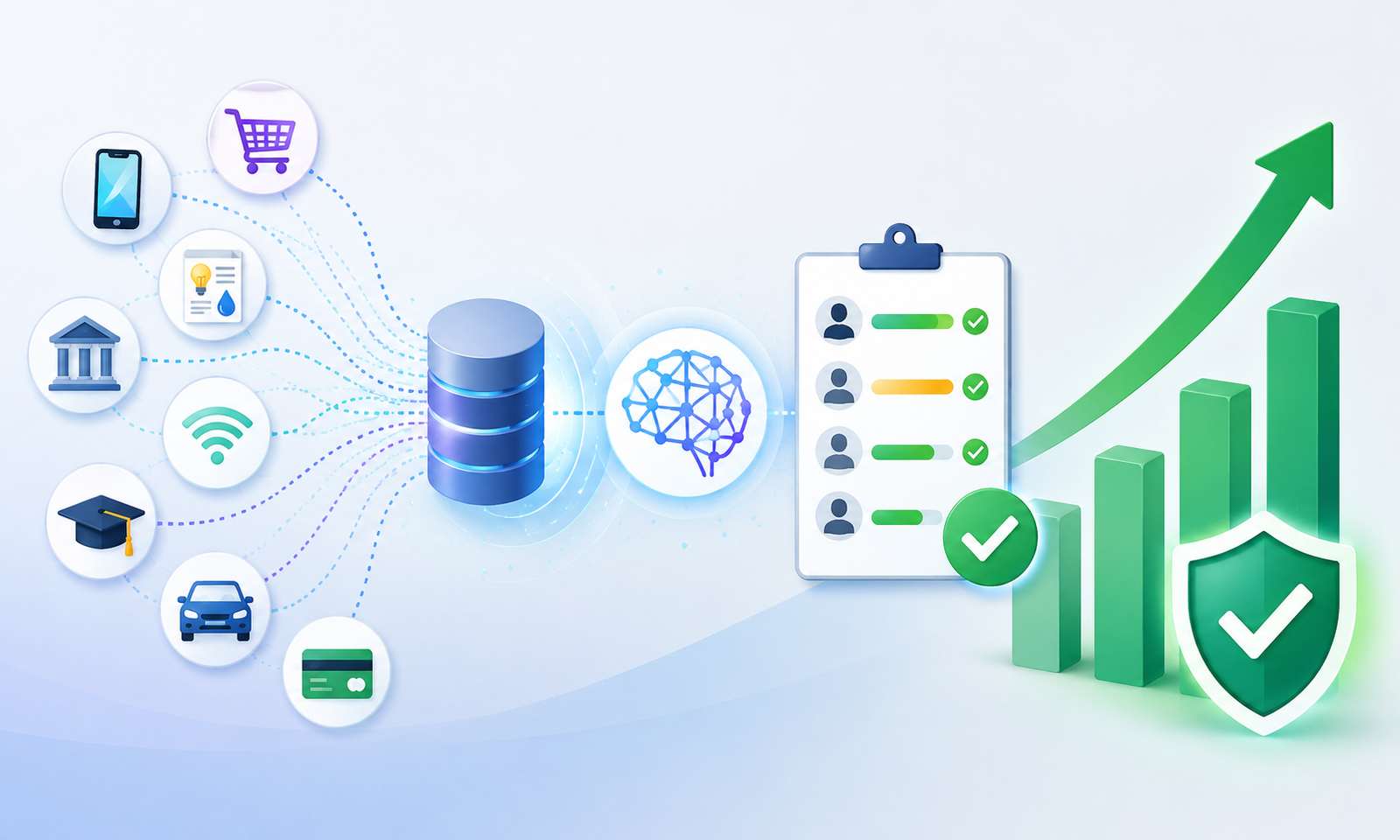
Your credit health plays a fundamental role in your financial well-being, influencing everything from loan approvals to interest rates and even employment opportunities. Yet many people unknowingly make critical mistakes that damage their credit scores and limit their financial options. These errors can take years to correct and cost thousands of dollars in higher interest payments and denied applications.
The good news is that most credit mistakes are entirely preventable with the right knowledge and habits. Whether you’re building credit for the first time or working to improve an existing score, understanding how credit works and what pitfalls to avoid can save you significant stress and money. This comprehensive guide will walk you through the essential aspects of credit management, from understanding your credit environment to checking your balances and increasing your limits responsibly. By learning to recognize and avoid common credit mistakes, you’ll be equipped to maintain a strong credit profile that opens doors to better financial opportunities and long-term stability.
Understanding Your Credit Environment
What is a Credit Report?
A credit report serves as your financial resume, documenting every credit-related action you’ve taken over the years. The three major credit bureaus—Equifax, Experian, and TransUnion—compile this information from creditors, lenders, and public records. Your report contains personal identification details, a complete list of credit accounts including mortgages, credit cards, and loans, your payment history showing on-time and late payments, credit inquiries from lenders who’ve reviewed your file, and any public records such as bankruptcies or tax liens. Each account entry shows when it was opened, your credit limit or loan amount, current balance, and payment patterns. This comprehensive document forms the foundation of your creditworthiness and directly influences lending decisions.

How Credit Scores Work
Credit scores translate your credit report into a three-digit number that lenders use to quickly assess risk. The most common scoring model, FICO, weighs five key factors: payment history accounts for 35% of your score, making it the most critical element; amounts owed relative to available credit comprise 30%; length of credit history represents 15%; new credit inquiries make up 10%; and credit mix accounts for the remaining 10%. Scores range from 300 to 850, with 670-739 considered good, 740-799 very good, and 800 and above exceptional. Understanding these components helps you focus your efforts on the areas that will most significantly impact your score, particularly maintaining consistent on-time payments and keeping balances low.
Checking Your Credit Balance
Where to Check Your Credit Balance
Federal law entitles you to one free credit report annually from each of the three major bureaus through AnnualCreditReport.com, the only federally authorized source. Beyond this, many credit card issuers now provide free credit score access directly through their mobile apps or online portals, updating monthly without impacting your score. Banking apps like Chase, Capital One, and Discover offer integrated credit monitoring tools. Third-party services such as Credit Karma and Credit Sesame provide free access to your credit information, though they generate revenue through targeted product recommendations. For real-time monitoring, consider setting up accounts with all three bureaus directly—Equifax, Experian, and TransUnion each offer paid subscription services with daily updates and alerts for significant changes to your report.

Interpreting Your Credit Balance
Your credit balance refers to the amount you currently owe across all revolving credit accounts, primarily credit cards. The critical metric here is your credit utilization ratio—the percentage of available credit you’re using. Calculate this by dividing your total balances by your total credit limits. Ideally, keep this ratio below 30% across all accounts, though scores above 750 typically maintain utilization under 10%. For example, if you have $10,000 in total credit limits, aim to carry no more than $3,000 in balances at any given time. Review each individual account as well, since maxing out even one card while keeping others at zero can still hurt your score. Pay attention to when your issuer reports to the bureaus—usually your statement closing date—and consider making payments before this date to show lower balances.
Increasing Your Credit Limits
Why Increase Your Credit Limits?
Raising your credit limits offers strategic advantages beyond simply having more spending power. The primary benefit is improved credit utilization—if your spending remains constant while your available credit increases, your utilization percentage automatically drops, potentially boosting your score. For instance, carrying a $2,000 balance on a $5,000 limit shows 40% utilization, but that same balance on a $10,000 limit drops to just 20%. Higher limits also provide a financial cushion for emergencies and can signal to other lenders that existing creditors trust you with greater responsibility. Additionally, accounts with higher limits often come with better rewards programs and perks, making your credit cards more valuable tools in your financial arsenal.

How to Request an Increase
Most credit card issuers make limit increase requests simple through their online portals or mobile apps, typically found under account settings or services. You’ll generally need to provide current income information and housing costs to demonstrate your ability to handle additional credit. Some issuers automatically review accounts every six to twelve months and grant increases without requests if you’ve maintained good standing. When requesting manually, timing matters—wait at least six months after opening an account or receiving your last increase, and ensure you have a history of on-time payments with low balances. Calling customer service can sometimes yield better results than online requests, as representatives may have flexibility to approve increases or explain specific concerns. Before requesting, check whether the issuer conducts a hard inquiry, which could temporarily lower your score.
Potential Risks of Increasing Limits
While higher limits can improve your credit profile, they also present temptations and risks that require discipline to manage. The most significant danger is lifestyle inflation—viewing increased limits as permission to spend more rather than as a tool for better utilization ratios. This can lead to accumulating balances you cannot pay off, resulting in mounting interest charges that quickly negate any credit score benefits. Some people find that higher limits create a false sense of financial security, encouraging unnecessary purchases they would otherwise avoid. There’s also the risk that requesting increases too frequently triggers hard inquiries that temporarily damage your score. If you have a history of overspending or carrying balances month to month, increasing your limits without addressing underlying spending habits will likely worsen your financial situation rather than improve it.
Common Credit Mistakes to Avoid
Not Monitoring Your Credit
Failing to regularly review your credit reports ranks among the most costly oversights in personal finance. Without consistent monitoring, you remain unaware of errors that could be dragging down your score—studies show that one in five consumers have mistakes on at least one credit report. Identity theft can go undetected for months, allowing fraudsters to open accounts and rack up debt in your name. Set calendar reminders to pull your free annual report from each bureau every four months, staggering them throughout the year for continuous coverage. Sign up for credit monitoring services that alert you to new inquiries, account openings, or significant score changes. When reviewing reports, verify that all accounts belong to you, check that payment histories are accurate, and dispute any errors immediately through the bureau’s online portal with supporting documentation.
Applying for Too Many Credit Cards
Each credit card application triggers a hard inquiry that remains on your report for two years and can lower your score by several points. While one or two inquiries have minimal impact, accumulating multiple applications within a short timeframe signals financial desperation to lenders and can result in denials. Opening several new accounts simultaneously also reduces your average account age, another factor in your credit score. Space out applications by at least six months, and only apply when you have a genuine need or when a card offers substantial value that justifies the temporary score dip. Before applying, research pre-qualification tools that many issuers offer—these use soft inquiries that don’t affect your score, allowing you to gauge approval odds without risk.

Not Paying Bills on Time
Payment history constitutes 35% of your credit score, making late payments the single most damaging mistake you can make. A payment just 30 days late can drop your score by 90 to 110 points and remain on your report for seven years. Beyond credit damage, late payments trigger fees averaging $30 and can cause your interest rate to spike to penalty levels exceeding 29%. Prevent this by enrolling in autopay for at least the minimum payment on every account, ensuring you never miss a due date even during busy periods. Set up payment reminders on your phone or calendar three days before each due date. If you do miss a payment, submit it immediately—creditors typically don’t report to bureaus until you’re 30 days late, so catching it within that window prevents credit damage.
Using Credit for Unnecessary Purchases
Treating credit cards as extensions of your income rather than payment tools leads to mounting balances and interest charges that can take years to eliminate. Impulse purchases that you wouldn’t make with cash often seem justifiable when swiping plastic, but carrying these balances month-to-month means paying 15-25% interest on items that lose value immediately. This habit inflates your credit utilization ratio and leaves you vulnerable when genuine emergencies arise. Before making any credit purchase, ask whether you could afford to pay cash and whether you truly need the item now. Implement a 48-hour waiting period for non-essential purchases over $50—this cooling-off period eliminates most impulse buying. Reserve credit cards for planned expenses you’ve already budgeted for, such as home improvement projects or seasonal purchases like galvanized garden beds in spring, and commit to paying the statement balance in full each month to avoid interest charges entirely.
Building Strong Credit Habits for Financial Success
Mastering credit management isn’t about perfection—it’s about developing consistent habits that protect and strengthen your financial foundation. The mistakes outlined in this guide are common precisely because they’re easy to make, but they’re equally straightforward to avoid once you understand their consequences. By monitoring your credit regularly, spacing out applications thoughtfully, prioritizing on-time payments, and using credit purposefully rather than impulsively, you’ll build a credit profile that works for you instead of against you.
Remember that credit health is a marathon, not a sprint. Small, deliberate actions compound over time into significant improvements. Check your credit reports quarterly, set up automatic payments to eliminate late payment risks, and treat credit cards as tools for convenience and rewards rather than income supplements. When you do encounter setbacks—and most people will at some point—address them promptly and learn from the experience. Your credit score reflects your financial habits, and by implementing the strategies in this guide, you’re taking control of your financial future and opening doors to better interest rates, loan approvals, and opportunities that come with strong credit.