Choosing the right base for your business is more than square footage and rent. For companies seeking growth, convenience, and a forward-looking image, office space in Navi Mumbai, especially modern hubs like the smart campuses in Ghansoli, offers a strategic advantage. In this post, we’ll break down practical steps leaders can take to turn a commute into a culture that attracts and retains talent.
Start With Commute-friendly Planning
Commuting affects day-to-day morale. Offer flexible start times, support for carpooling, and partnerships with local transport providers. If your team is moving to office space in Ghansoli, work with campus operators to provide last-mile shuttles or subsidised passes. Minor transport fixes reduce lateness and signal care for employee time.
Design For Collaboration and Choice
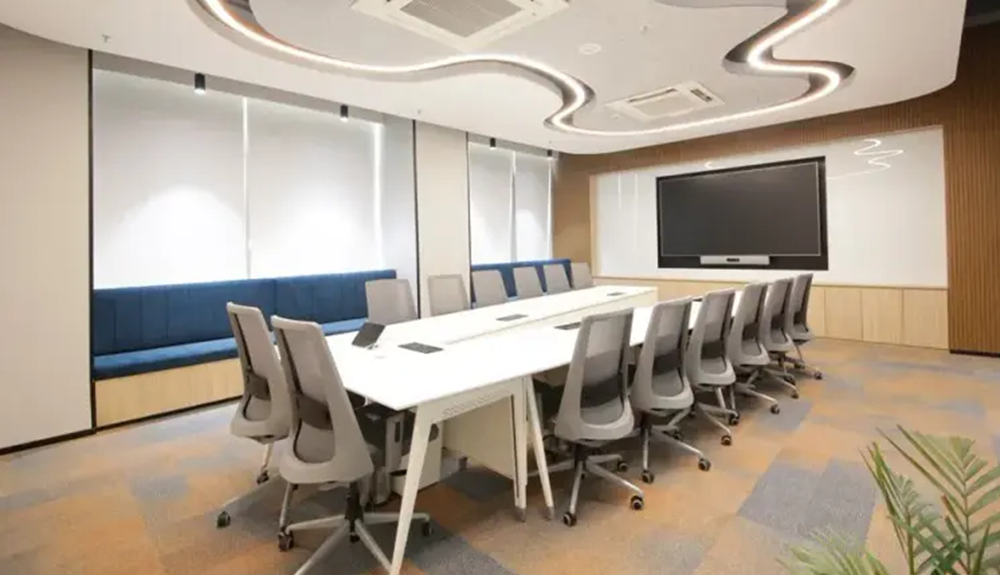
Smart campuses provide a mix of work modes open hubs, quiet zones, and meeting rooms. Create a layout and policy that encourages both focused work and serendipitous interaction. For B2B teams, set aside client-ready touchpoints: a welcoming meeting suite, reliable conferencing tech, and clear signage that reflects your brand.
Embed Technology That Reduces Friction
The “smart” in smart campus should mean seamless experiences: automated visitor management, fast Wi-Fi, IoT-enabled room booking, and digital notice boards. Prioritise tools that save staff time and give managers data on space utilisation. These choices increase operational efficiency and create a professional environment for clients.
Build Rituals That Strengthen Culture
Culture grows through repeated actions. Launch simple rituals—weekly standups, monthly learning sessions, and cross-team showcases. In a campus setting, use shared amenities for culture-driven events: rooftop mixers, wellness mornings,
or pop-up product demos. Rituals make the commute worth it and tie employees to the workplace identity.
Use The Campus Ecosystem to Your Advantage
Smart campuses in Navi Mumbai often host a cluster of complementary businesses. Forge partnerships with nearby vendors cafés, childcare services, and fitness studios to offer employee perks. Co-marketing with campus neighbours can also open sales channels for B2B businesses seeking local clients.
Measure and Iterate
Turn culture into measurable goals. Track retention rates, time-to-hire, utilisation of collaboration spaces, and employee NPS. Run quarterly quick surveys and act on the top two pain points. Data-driven improvements keep culture initiatives focused and budget-friendly.
Multiple Perspectives to Consider
Employer-first: Focus on branding the workspace as a recruitment magnet. Invest in client-facing spaces and mobility support to lower friction for visiting clients and partners.
Employee-first: Prioritise well-being, quiet rooms, green spaces, and flexible schedules. When your people feel supported, productivity and referrals rise.
Hybrid-first: Make the campus the hub for high-value, in-person activities, onboarding, team building, and client meetings while enabling remote work for heads-down tasks. Use analytics to schedule hub days effectively.
Practical Checklist for Decision-makers
- Audit commute routes and identify pain points.
- Map essential tech and amenity gaps before lease signing.
- Create a 90-day culture activation plan tied to the move.
- Budget for small, high-impact perks (shuttles, coffee, wellness).
- Establish KPIs and a quarterly review rhythm.
Real examples often show quick wins: a shuttle program can cut absenteeism, while a client suite can speed deal closures. Before you sign, run a pilot—test of amenities and commute support for 90 days and use the data to shape a long-term lease and fit-out plan.
Moving into office space in Navi Mumbai and specifically into modern office space in Ghansoli is an opportunity to convert daily commutes into meaningful connections. When leaders design for convenience, collaboration, and measurable culture-building, the workplace becomes more than a location: it becomes a competitive advantage for hiring, client relationships, and long-term growth.