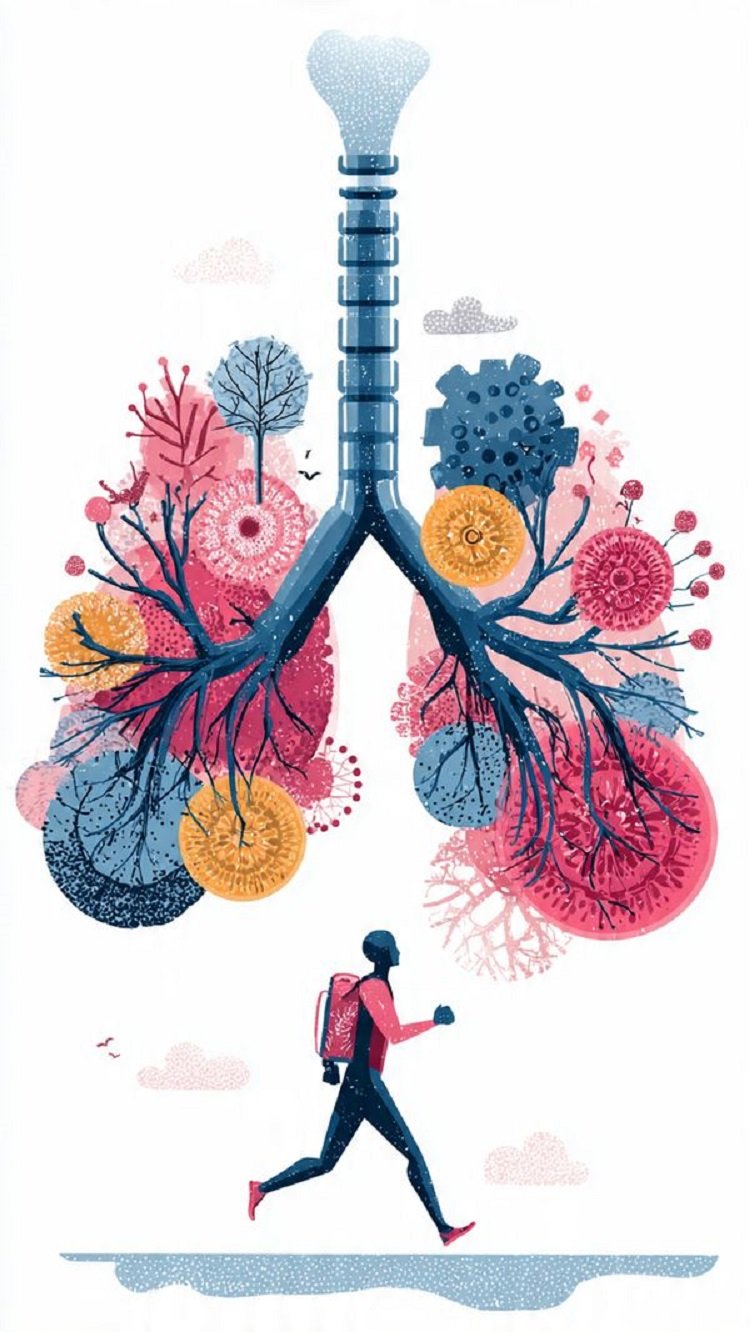
One of the most important human functions is breathing. It happens automatically, continuously, unconsciously, but behind each inhalation there is a very complex system of organs and muscles that are very coordinated. The respiratory system nourishes the body as it supplies oxygenated blood to the blood flow and eliminates carbon dioxide, which is a byproduct of metabolic processes in the body. The absence of this exchange would make cell production of energy impossible and the system would fail quickly. The mechanism of lung and airway functioning with the diaphragm also allows one to learn more about human physiology and find out which elements determine respiratory well-being.
This article describes the mechanics and anatomy of the respiratory system, the process of obtaining and giving away gases, and the importance of having a healthy respiratory system in physical performance, immunity, and long-term health.
Overview of the Respiratory System
There are two main components of the respiratory system:
- The airways that conduct the air in and out of the lungs.
- The structures involved in the gaseous exchange, mainly the alveoli, through which oxygen and carbon dioxide exchange between blood and air.
All these parts work together to facilitate smooth breathing, maintain metabolism, and balance the pH of the blood and shield the body against airborne infections and irritants.
The Airways: Pathways For Breathing
The way of air starts the very moment it gets into the body by nose or mouth. Airway system covers the nasal cavity, pharynx, larynx, trachea, bronchi and bronchioles. All structures are designed to accomplish a certain role which is to keep the air clean, warm, filtered and flow freely to the lungs.
Nose and Nasal Cavity
The nose is the desirable breathing passage. The nasal cavity:
- Filters airborne particles
- Warms incoming air
- Coats air to act as a shield to the delicate lung tissues.
Cilia move dust, bacteria and other pollutants away out of the lungs using tiny hair-like structures known as cilia.
Pharynx and Larynx
The air moves through the nasal cavity into the pharynx, which is a passageway through which air and food travel together. When one is swallowing, the epiglottis does not allow food to go down the airways.
Larynx or voice box is located below pharynx. It accommodates the vocal folds and makes sure that the air flows down to the trachea.
Trachea: The Windpipe
Trachea is a C-shaped cartilage, rigid tube. It has a design that does not allow it to collapse and maintains a free flow of air. The filtering work which was initiated in the nasal cavity is continued in the interior lining.
The trachea divides at its lower end to form the right and the left bronchi.
Bronchi and Bronchioles
Bronchi lead to the lungs where they open up into the bronchioles. This division creates a tree like system that enhances surface area and makes air access all parts of the lungs.
The Lungs: The Heart of Gas Interchange
The most significant breathing organs are the lungs. They are spongy and soft and covered by rib cage. The lungs are separated into lobes, three on the right side, two on the left side, and are filled with millions of the small air sacs called alveoli.
Alveoli: The entry point of Oxygen in the blood
Alveoli are tiny structures in the form of balloons that are enclosed by capillaries. Their walls are so very thin hence oxygen and carbon dioxide diffuses very easily between air and blood.
Gas Exchange Process
- During inhalation, oxygen goes to the alveoli.
- It enters the capillaries through the alveolar walls.
- The red blood cells contain hemoglobin that binds oxygen.
- Meanwhile, the carbon dioxide transfers out of the blood to the alveoli.
- The breathing out of carbon dioxide takes place.
This is an exchange that occurs at a very high rate and is continuous keeping the breath of life flowing.
Surfactant and Pulmonary Function
The surfactant is a substance which coats the alveoli so that it does not collapse. In the absence of surfactant, the lungs would have to exert a tremendous amount of effort in order to expand and contract.
The Diaphragm: The Ultimate Respiratory Skeletal Muscle
A diaphragm is a dome shaped muscle which is found below the lungs. It is the primary breathing stimulant.
How the Diaphragm Works
Breathing is a process consisting of two basic activities:
Inhalation
- The diaphragm closes and shifts downwards.
- The rib cage expands.
- The pressure of the lungs reduces, and air flows inwards.
Exhalation
- The diaphragm slackens and rises upwards.
- The rib cage is restored to the rest posture.
- The lung pressure is raised, and the air is pushed out.
Breathing may be a natural process, but the diaphragm may also be under voluntary control, and that is why breathing can be more efficient due to the activities such as singing, meditation, and exercise.
The Transportation of Oxygen in the Body
After the oxygen in the blood attaches to hemoglobin, it is carried to the tissues in the organism. Oxygen is utilized by cells in processing metabolic reactions to produce energy (ATP). In the absence of oxygen, cells switch to an anaerobic metabolism that is less active and results in lactic acid.
Carbon Dioxide Removal
A by-product of the metabolism is carbon dioxide, which needs to be eliminated in order to ensure the right blood pH. Exhalation of CO 2 is done in the lungs, thus avoiding the harmful levels of acid in the blood.
The interaction between the Respiratory and Circulatory Systems
The circulatory system is closely related to the respiratory one. In the process of oxygenation, the blood is pumped by the heart and oxygenated by the lungs.
Steps in Combined Function
- Oxygen is introduced in the respiratory system.
- The oxygen is diffused to the bloodstream.
- The heart forces blood into tissues with oxygen.
- The tissues generate carbon dioxide.
- Carbon dioxide is released by blood that is transported back to lungs.
- Carbon dioxide is exhaled.
This alliance is critical in energy generation, body temperatures, and body balance.
Physical Performance and respiratory Health
The best breathing performance is the key to sport and exercise. Endurance, strength and recovery are dependant on the capability of the body to use oxygen efficiently.
Advantages of Healthy Respiratory System
- Increased stamina
- Improved oxygen delivery
- Improved elimination of carbon dioxide.
- Improved muscle functionality.
- Improved cardiopulmonary co-ordination.
Breathing rate goes up during exercise to meet the requirement of oxygen in the body. Good lungs and a receptive diaphragm enhance the capacity to exercise.
Respiratory Health and Immunity
The respiratory system has a protective effect other than breathing.
Defense Against Pathogens
The bacteria, viruses and debris are caught and removed by the nose, mucous membranes and cilia. The lung has immune cells which counter attacking pathogens that enter lower airways.
Inflammation and Immune Response
In case the damaging particles enter the lungs, the immune system triggers the inflammation in order to combat the invaders. However, chronic inflammation is able to destroy lung tissues and impair immunity.
Respiratory Health Influencing Factors
The effectiveness of the respiratory system is determined by a number of lifestyle, environmental and genetic factors.
- Smoking and Vaping
Smoke and chemicals destroy cilia, inflame airways and disrupt gas exchange. COPD or emphysema are some of the diseases that may come about because of chronic smoking.
- Air Pollution
The air is contaminated with irritants which cause inflammation worsening conditions such as asthma.
- Physical Inactivity
The limitation to the capacity of the lungs is weak respiratory muscles. Frequent workouts make the diaphragm stronger and enhance the workability of the breathing system.
- Allergies and Asthma
The conditions lead to constriction of the airways that limit breathing by reducing airflow.
- Respiratory Infections
Such diseases as pneumonia or influenza damage the exchange of gases and overload the immune system.
Enhancing the Respiratory Health
Healthy breathing of the lungs and airways is achieved through conscious behaviors.
Regular Exercise
Running, swimming and cycling activities enhance the lung capacity and make breathing of muscles.
Deep Breathing Practices
Yoga, diaphragmatic breath, and meditation improve the expansion of the lungs, as well as decrease stress.
Healthy Diet
Foods rich in nutrients help the body to maintain the immune system and to minimize inflammation. The antioxidants present in the fruits and vegetable body aid in the defense against lung tissue.
Hydration
Sufficient fluids maintain the lining of the airway wet and aid in clearance of mucus.
Avoiding Pollutants
The protection of lung integrity is due to the restriction of smokes and chemicals, as well as contaminated environments.
Routine Health Screenings
The checkups and lung function tests assist in the early detection of breathing troubles.
Typical Respiratory Tract Disorders.
The knowledge of the respiratory system will help to detect symptoms of some possible problems.
Asthma
A long-term illness that causes the breathing to be complicated due to the inflammation and constriction of the airways.
Chronic Obstructive Pulmonary Disease (COPD)
A complex of diseases mostly chronic bronchitis and emphysema which block airflow.
Pneumonia
A disease that causes inflammation of the alveoli, which narrows the oxygen exchange.
Sleep Apnea
A medical condition that causes breathing to be interrupted repeatedly when a person is sleeping and this lowers oxygen supply.
The Importance of Respiratory Health
Being able to maintain good breathing health is beneficial to the body.
Energy Production
Cellular functions and metabolism depend on oxygen.
Immune Support
Healthy airways protect the body against the pathogen and prevent the risk of infection.
Physical Mobility
Inhalation will influence stamina, locomotion and strength of the muscles.
Mental Clarity
Oxygen powers the brain, which influences concentration and intellect.
Conclusion
The respiratory system represents a complex system that maintains the body alive due to the provision of oxygen and the elimination of carbon dioxide. The lungs, airways, and the diaphragm are in harmony to promote gas exchange and promote physical and immune activity. Learning about breathing and the importance of respiratory health will enable people to make decisions that enhance the strength of lungs, endurance, and health in the long term.