While every couple may or may not know that getting married is in their future, they likely have some ideas about which time of year appeals to them. However, picking spring as your time of year doesn’t only have to do with seasonal flowers and nice weather. It has to do with the timing in general that will facilitate it all, from booking to how it works for guests.
The possibility for timing in spring falls in the middle and while it may not be the ideal month for the most weddings, it has a lot to benefit small, successful day-of celebrations. Spring has a way of connecting the budget, beauty, photography and more. Understanding why can make for better sense within the actual decision-making process.
The Timeline Works in Your Favor
A spring wedding spans March through May, meaning couples are booking their venues, caterers and photographers sometime during the previous summer or early fall. This works out, as it gives people who get engaged over the New Year’s holiday a bit of time to enjoy their engagement before hitting the ground running. However, this also gives couples at least a year advance warning without having to compete with all of the other June-through-September couples.
Spring venues have more availability than those who jumped to the summer wedding fray a year or more before. For example, a venue that is booked every Saturday for July may still have multiple spring options. If you’re okay with having an early-spring wedding or a late-spring wedding, you have options, which is more than just taking what’s left.
The same goes for vendors. Photographers, florists and caterers have their busy seasons and spring is right at the cusp of it all. At least, you’ll be able to get those first choice options without needing to book 18 months in advance or going with second best if you go with spring.
Nature Serves as Your Decor
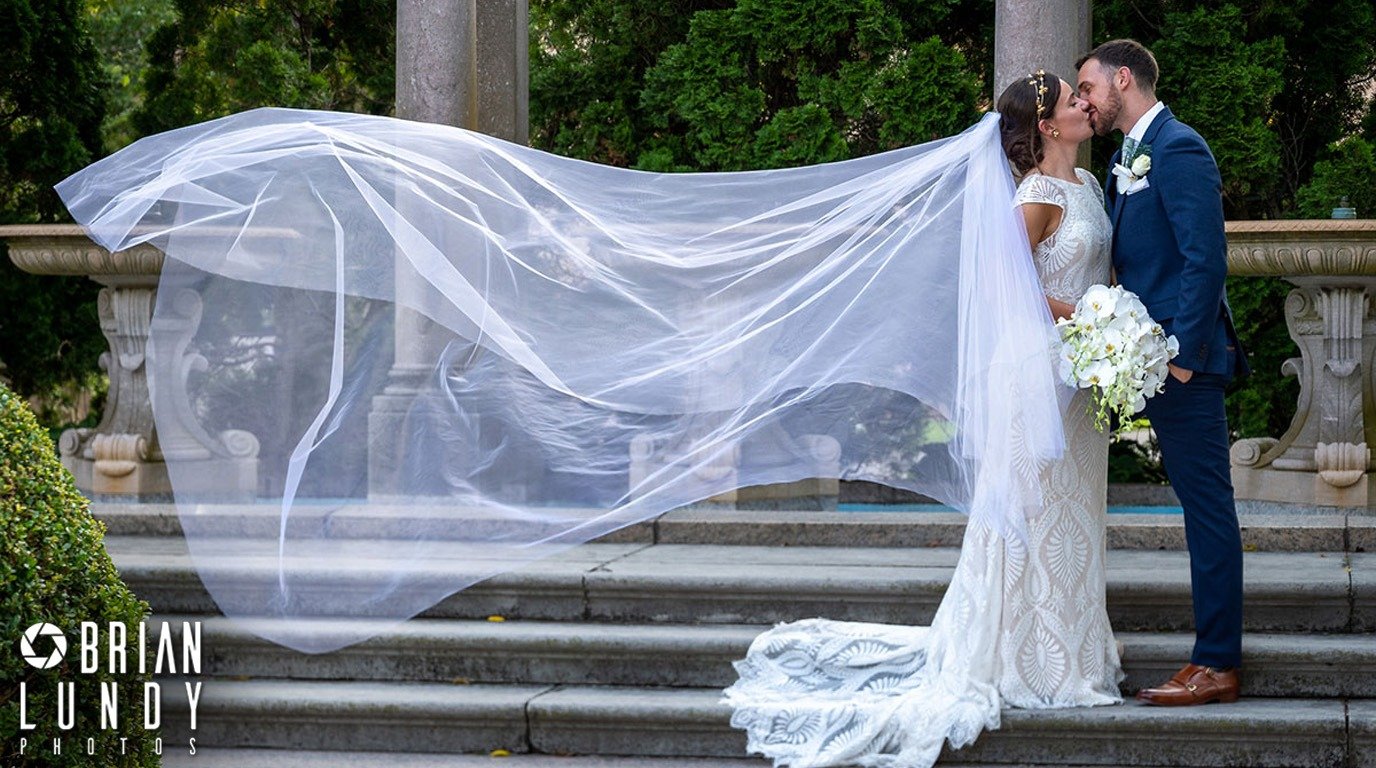
One of the best practical benefits of timing comes into play regarding your decor budget. When everything is blossoming and coming back to life, you need less artificial decor to make everything come together. Gardens look beautiful on their own. Trees are either budding or completely leafed out. Nature boasts an entire vibe looking fresh and rejuvenated, something photographers adore and guests actively notice.
This is particularly true for couples drawn to beautiful wedding venues in spring that showcase natural setting, places where the grounds themselves become part of your celebration’s aesthetic. When the environment is already doing heavy lifting, you can focus your décor budget on personal touches rather than trying to create beauty from scratch.
Additionally, flowers warrant their own section. Spring boasts a good variety when it comes to blooms as well, from tulips and daffodils to peonies and cherry blossoms depending on timing, spring flowers are prime time plants which boast better blooms (as oppose to shipping from afar or being grown in greenhouses during winter). A florist has better options to work with and those options naturally photograph well.
Weather – The Goldilocks Effect
Let’s be real, weather is always a gamble with weddings. But spring provides a calculated risk better than other seasons. It’s not hot beyond comprehension in July or August with guests in formal wear shedding clothing options because it’s too much. It’s not the threat of snow or below freezing weather in winter. Spring weather throughout most regions lands in the cozy middle ground where people can enjoy being outside (or inside) better without worrying.
Temperature falls within a comfortable range indoors/outdoors all the time, meaning outdoor ceremonies without worrying about guests melting in suits or shivering in cocktail dresses work well; receptions indoors don’t require blasting air conditioning because it’s summer-like heat. All things considered, most people remember weddings better when they aren’t sweating bullets or frozen solid. Guest comfort equals guest celebration.
And while it can rain in spring, most people forget that spring rain is generally softer (and expected) than summer thunderstorms. It’s more predictable (unless you’re planning on a major hurricane) and if there’s indoor backup at the venue, a little rain doesn’t ruin anything. In fact, spring rain brings lovely light after the storm that beats out summer sun.
Light Makes Everything Better
Photographers love spring weddings for a reason, and it’s technical. The sunlight angle creates a beautiful soft focus that’s hard to come by any other time during the year; it’s not overly golden like winter low-hanging light that disappears too quickly; it’s not directly overhead and harsh like summer days. The soft balance offers an appealing projection to guests unless one does heavy makeup work or photo editing.
Longer days also lend themselves better than winter weddings; by late April/early May you’ve got ample lighting for both ceremony and any outdoor photos without need for rushing since the sun won’t set until later down the line. Sunset timing works great for golden hour photography without needing to stress, unlike winter wedding couples where night falls before dinner is even served.
Budgetary Restrictions That Make Sense
Spring tends to be considered shoulder season for various venues, at least this adds up over the course of time for savings. Not always (some venues charge equally year-round) but it’s worth checking into spring vs. summer pricing. Even 10 percent off venue price makes a dent in overall costs.
With regard to hotels in popular wedding spots, however, rates tend to be lower spring versus peak summer months, which helps your out-of-town guests – which helps you since if accommodation is at a reasonable price, guests are more likely to want to come. Some vendors also have flexible pricing during non-peak times but don’t expect cuts across the board just because you care; if they’re busy regardless, they’ll charge their worth.
Finally, decor plays a less expensive role since when nature is doing the aesthetic work for you, that’s one less thing you need to spend on drapery, lighting or elaborate floral arrangements just to make something pretty, thus giving you freedom on either personal touches or paying more money elsewhere, for a better photographer, enhanced catering or open bar all night long.
Guest Experience is Ever More Enhanced
Consider what you’re asking guests to do, they’re traveling to your wedding, taking off of work, finding childcare and buying new clothes this springtime option makes it easier in so many ways. Travel in spring months isn’t as chaotic as summer; flights may be cheaper; hotels are easier to come by; routes aren’t bogged down with peak tourist traffic.
The day-of experience is better too; people can move between open-air and closed spaces comfortably; kids can play outside without dying of heat; older relatives aren’t suffering from extremes; people want to stay inside, and outside, to celebrate without needing to rush inside an air-conditioned space or situated around space heaters. All of these small factors relative to comfort make an impact on your successful day-of.
Seasonal Significance That Actually Means Something
There exists something intangible about getting married in spring beyond logistics, as in what does it all mean? Spring offers rebirth, fresh beginnings, growth, all valuable symbolism that aligns with what marriage should represent metaphorically. Many couples get lost in this idea while others don’t care about it at all but if they value symbolism as such, getting married in spring works perfectly.
The visual storytelling aligns perfectly as well, as everything awakens outside and blossoms back into life, so does your commitment, even if it’s not an overbearing symbol if that’s not what you want from it, but because it’s there if it adds value for you.
Making Spring Timing Work for Your Unique Situation
Yet none of this means just because spring has advantages that you’ll easily fall victim to it. Your personal schedule may dictate otherwise – for example – if spring is a busy work season or important family members are unavailable at that time; regional weather patterns differ drastically (spring in the Pacific Northwest is not like spring in California); your specific venue makes a difference, as an indoor ballroom celebration has less use for the season than an outdoor garden romance.
It’s important to note what timing has to offer and whether these benefits make sense for what you’re trying to do, i.e. if natural beauty matters most instead of guaranteed weather – or vendor access, or budgetary benefits, then spring works best since all environmental elements combine for conditions built on success. Otherwise, if you’re dead-set against any semblance of bad weather or have always dreamed of putting snowflakes on centerpieces – even seasonal advantages won’t sway what feels right for your celebration.
Spring weddings make sense because time creates little benefits that add up toward an easier planning process and smoother day-of experience and advantageous elements fall into place like an invisible partner working behind-the-scenes to create your dream celebration through naturally occurring timeliness rather than efforts you’d otherwise have to create, or work against up until the very last minute, so when you’re looking for a date instead of just checking out what’s open on a Saturday afternoon months down the line, it could make sense why spring is worth consideration over other potential options.