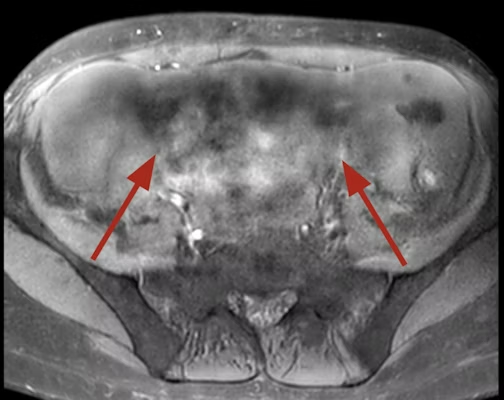
Introduction to MRI Artifacts
MRI scans are a powerful tool in medical imaging, providing detailed pictures of the body’s internal structures. However, MRI images are not always perfect. Sometimes, unwanted distortions or errors appear on the images, known as MRI artifacts. These artifacts can make it harder for doctors to interpret scans correctly, leading to potential misdiagnosis. Understanding these artifacts is essential for anyone starting in radiology or medical imaging.
Common Types of MRI Artifacts
There are several types of MRI artifacts that beginners should know about. One common type is motion artifacts, which happen when a patient moves during the scan. Another type is metal artifacts, caused by implants or metal objects in the body. Other types include ghosting, aliasing, and susceptibility artifacts. Each type affects the image in a different way, making some areas appear blurry, distorted, or even missing.
Causes of MRI Artifacts
MRI artifacts can occur due to multiple reasons. Patient movement is one of the main causes, as even small movements like breathing or swallowing can create motion artifacts. Technical factors such as incorrect scan settings or hardware issues can also contribute. Additionally, the presence of metal in the body, like dental fillings or surgical implants, can distort the magnetic field, creating noticeable artifacts on the image.
Impact of MRI Artifacts on Diagnosis
The presence of MRI artifacts can significantly impact image quality and the accuracy of diagnosis. Blurred or distorted areas can make it difficult for doctors to see small but critical structures, such as blood vessels or tumors. In some cases, artifacts may mimic disease, leading to unnecessary tests or procedures. This is why understanding and minimizing artifacts is crucial in medical imaging.
Techniques to Reduce MRI Artifacts
There are several ways to reduce MRI artifacts and improve image quality. One approach is using faster scanning techniques, which reduces the time a patient needs to remain still. Another method is patient preparation, including clear instructions to stay still and using supports or cushions to limit movement. Advanced software corrections and adjusting scan parameters can also help reduce the effect of metal or motion artifacts.
The Role of Technologists in Managing Artifacts
MRI technologists play a key role in managing MRI artifacts. They ensure patients are positioned correctly and are comfortable, which helps minimize movement. Technologists also choose the right scan settings and sequences to reduce common artifacts. Their expertise directly impacts the clarity and reliability of MRI images, making their role essential in producing accurate diagnostic results.
Conclusion on MRI Artifacts and Image Quality
In conclusion, MRI artifacts are common challenges in medical imaging that can affect image quality and diagnosis. By understanding the types, causes, and techniques to reduce artifacts, beginners in radiology can improve their ability to produce clear and accurate MRI scans. Proper patient management, technical knowledge, and attention to detail are essential for minimizing these artifacts and ensuring the best possible imaging outcomes.