Creating a zero waste bathroom starts with understanding that every product choice matters for our planet’s future. Lovely Poo Poo leads the way in demonstrating how thoughtful selection of bathroom essentials can dramatically reduce household environmental impact. The bathroom represents one of the highest waste-generating areas in most homes, making it the perfect starting point for sustainable living transformation.
Understanding Zero Waste Bathroom Principles
Zero waste living focuses on reducing, reusing, and recycling to minimize waste sent to landfills. In bathroom contexts, this means choosing products with minimal packaging, selecting items made from renewable resources, and prioritizing durability over disposability. The goal involves creating a circular economy where waste becomes input for new products rather than environmental burden.
Traditional bathrooms generate enormous amounts of waste through single-use products, excessive packaging, and non-biodegradable materials. Plastic packaging, synthetic materials, and chemical-intensive products contribute to environmental degradation while offering few long-term benefits for users or ecosystems.
The Environmental Impact of Traditional Bathroom Products
Conventional bathroom products create multiple environmental problems that extend far beyond immediate use. Plastic packaging takes hundreds of years to decompose, while synthetic ingredients contaminate water systems and soil. Chemical processing for traditional products requires significant energy consumption and generates toxic byproducts that affect air and water quality.
The cumulative impact of these choices affects global ecosystems, climate patterns, and human health. Every bathroom product decision either contributes to these problems or helps create sustainable solutions that benefit everyone.
Essential Elements of Zero Waste Bathroom Design
Creating an effective zero waste bathroom requires strategic planning and thoughtful product selection. Start by auditing current products to identify the biggest waste generators, then systematically replace them with sustainable alternatives that align with zero waste principles.
Packaging Considerations
Packaging represents one of the most significant waste sources in traditional bathrooms. Choose products wrapped in recyclable, compostable, or minimal packaging materials. Paper-based packaging, biodegradable wraps, and refillable containers all support zero waste goals while reducing environmental impact.
Many sustainable brands now offer plastic-free packaging solutions that maintain product quality while eliminating harmful waste. These innovations prove that environmental responsibility and product performance can coexist successfully.
Material Selection Priorities
Focus on products made from renewable, biodegradable materials that break down naturally without harming ecosystems. Bamboo, recycled paper, organic cotton, and other plant-based materials offer excellent alternatives to synthetic products while supporting sustainable manufacturing practices.
Natural materials often outperform synthetic alternatives in durability, comfort, and environmental impact. They also tend to be gentler on sensitive skin while providing superior functionality for daily use.
Why Toilet Paper Matters Most in Zero Waste Bathrooms
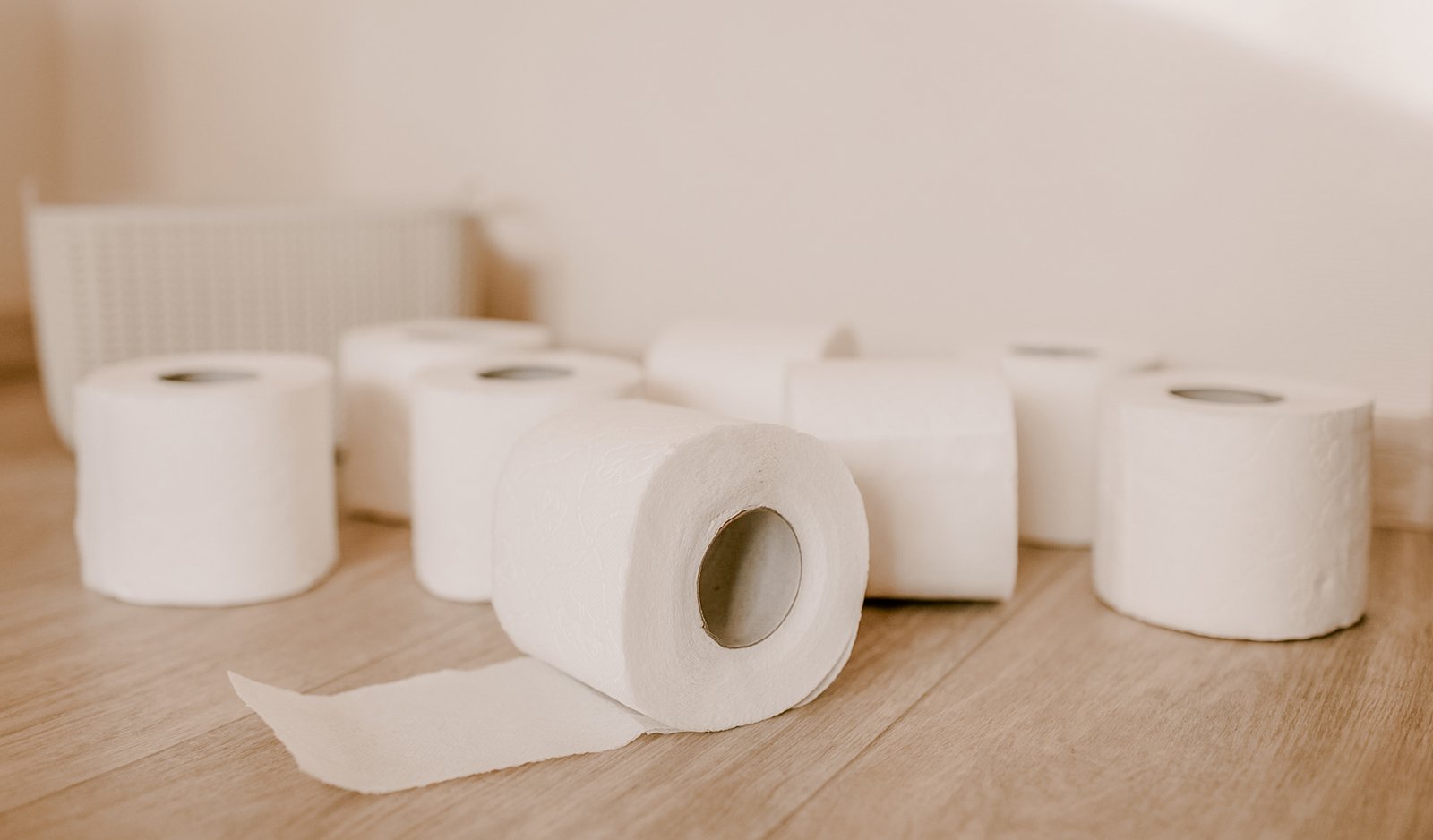
Toilet paper represents the highest-volume consumable in most bathrooms, making it the most impactful product choice for zero waste goals. The average person uses approximately 100 rolls annually, creating significant opportunities for environmental improvement through better product selection.
Traditional toilet paper production consumes enormous natural resources while generating substantial waste and pollution. A single roll requires 1.5 pounds of wood, 37 gallons of water, and multiple chemical processing steps that harm environmental systems.
The Hidden Environmental Costs
Beyond raw material consumption, conventional toilet paper manufacturing involves transportation emissions, chemical pollution, and packaging waste that compounds environmental impact. The bleaching process introduces chlorine compounds into water systems, while plastic packaging creates long-lasting waste that affects wildlife and ecosystems.
Understanding these hidden costs helps consumers make informed decisions that consider the full lifecycle impact of their choices rather than just immediate convenience or cost factors.
Characteristics of the Best Eco Friendly Toilet Paper
The best eco friendly toilet paper combines superior environmental performance with excellent user experience. Look for products that minimize resource consumption during production while delivering the softness, strength, and absorbency consumers expect from premium bathroom tissue.
Sustainable Material Sources
Top eco-friendly options use renewable materials like bamboo, recycled paper, or agricultural waste that require minimal processing and generate fewer environmental impacts. Bamboo stands out as an exceptional choice due to its rapid growth rate, minimal water requirements, and natural antibacterial properties.
Recycled content products help divert waste from landfills while reducing demand for virgin materials. Look for high post-consumer recycled content percentages that indicate genuine environmental benefits rather than marketing claims.
Chemical-Free Processing
The best eco friendly toilet paper avoids harsh chemicals during manufacturing, particularly chlorine bleaching compounds that contaminate water systems. Alternative bleaching methods using oxygen or ozone create safer products while minimizing environmental pollution.
Chemical-free processing often results in naturally softer products that are gentler on sensitive skin while maintaining the strength and durability needed for effective use.
Biodegradability and Septic Safety
Premium eco-friendly toilet papers break down quickly in septic systems and municipal treatment facilities, reducing strain on waste processing infrastructure. Fast biodegradation prevents accumulation in natural water systems while supporting healthy ecosystem function.
Septic-safe formulations ensure compatibility with home waste treatment systems without compromising performance or environmental benefits.
Top Features to Look For
When selecting eco-friendly toilet paper for zero waste bathrooms, prioritize products that excel in multiple sustainability categories rather than focusing on single attributes. Comprehensive environmental performance requires attention to materials, processing, packaging, and end-of-life impact.
Certifications and Standards
Look for third-party certifications that verify environmental claims and manufacturing standards. Forest Stewardship Council (FSC) certification ensures responsible forest management, while other environmental labels indicate compliance with specific sustainability criteria.
Certifications provide independent verification of manufacturer claims, helping consumers identify products that deliver genuine environmental benefits rather than superficial marketing messages.
Packaging Innovation
The best eco-friendly toilet papers feature innovative packaging solutions that eliminate plastic while protecting product quality. Paper-based wraps, compostable films, and bulk packaging options all reduce waste while maintaining freshness and usability.
Some brands offer subscription services with minimal packaging that further reduces environmental impact while providing convenient delivery options for busy households.
Performance Metrics
Evaluate eco-friendly toilet papers based on sheets per roll, strength ratings, and absorbency levels that determine actual value and performance. Higher-quality products often provide better value through superior efficiency and reduced usage requirements.
Consider the total cost of ownership including environmental impact, usage efficiency, and long-term health benefits when comparing options rather than focusing solely on purchase price.
Bamboo: The Gold Standard for Sustainable Bathroom Tissue
Bamboo represents the pinnacle of sustainable toilet paper materials due to its exceptional environmental profile and superior performance characteristics. This fast-growing grass requires no replanting after harvest, grows without pesticides or fertilizers, and produces more oxygen than equivalent tree forests.
Environmental Advantages of Bamboo
Bamboo toilet paper production generates 30% fewer carbon emissions than traditional wood pulp options while requiring 65% less water during manufacturing. The plant’s rapid growth cycle means sustainable harvesting without ecosystem disruption or habitat destruction.
Bamboo’s natural antibacterial properties eliminate the need for chemical treatments during processing, resulting in cleaner manufacturing processes and safer products for consumers and environments.
Quality and Performance Benefits
Modern bamboo toilet papers rival premium traditional options in softness, strength, and absorbency while providing additional benefits like natural hypoallergenic properties. The fiber structure creates naturally strong products that require fewer sheets per use, improving efficiency and value.
Many users report preferring bamboo options after trying quality products, finding them more comfortable and effective than conventional alternatives.
Additional Zero Waste Bathroom Strategies
Beyond selecting the best eco friendly toilet paper, implement complementary strategies that maximize bathroom sustainability and minimize environmental impact. These approaches work together to create comprehensive zero waste systems that benefit both households and ecosystems.
Water Conservation Techniques
Install low-flow fixtures, fix leaks promptly, and adopt water-saving habits that reduce consumption without compromising hygiene or comfort. Simple changes like shorter showers and full-load washing can significantly reduce household water usage and associated environmental impacts.
Consider greywater systems that reuse bathroom water for irrigation, creating closed-loop systems that maximize resource efficiency while supporting sustainable landscaping practices.
Plastic-Free Alternatives
Replace plastic bathroom accessories with sustainable alternatives made from bamboo, stainless steel, or recycled materials. Soap dispensers, toothbrush holders, and storage containers all offer opportunities to eliminate plastic while improving bathroom aesthetics and functionality.
Many plastic-free options prove more durable and attractive than conventional plastic products while supporting sustainable manufacturing practices and reducing long-term replacement costs.
Natural Cleaning Solutions
Use environmentally safe cleaning products that avoid harsh chemicals while maintaining hygiene standards. Vinegar, baking soda, and plant-based cleaners effectively clean bathroom surfaces without introducing harmful compounds into water systems or indoor air.
Natural cleaning solutions often cost less than commercial alternatives while providing superior safety for families and environments.
Measuring Your Environmental Impact
Track bathroom-related waste generation and resource consumption to quantify the impact of zero waste changes. Monitor toilet paper usage, packaging waste, and water consumption to identify additional improvement opportunities and celebrate progress toward sustainability goals.
Document changes in household waste output, utility bills, and product satisfaction to build compelling evidence for continued zero waste commitment while inspiring others to adopt similar practices.
Conclusion
Creating a zero waste bathroom represents one of the most impactful steps households can take toward environmental sustainability. The combination of thoughtful product selection, particularly choosing the best eco friendly toilet paper, and systematic waste reduction creates measurable benefits for both families and ecosystems.
The evidence clearly demonstrates that sustainable bathroom products deliver superior long-term value while significantly reducing environmental impact. From bamboo toilet papers that outperform traditional options to packaging innovations that eliminate plastic waste, today’s eco-friendly alternatives prove that sustainability and quality go hand in hand.
Ready to transform your bathroom into a zero waste sanctuary? Start by exploring premium bamboo toilet paper options that deliver exceptional performance while supporting environmental stewardship. Discover how simple changes in product selection can create lasting positive impact for your family and the planet’s future.