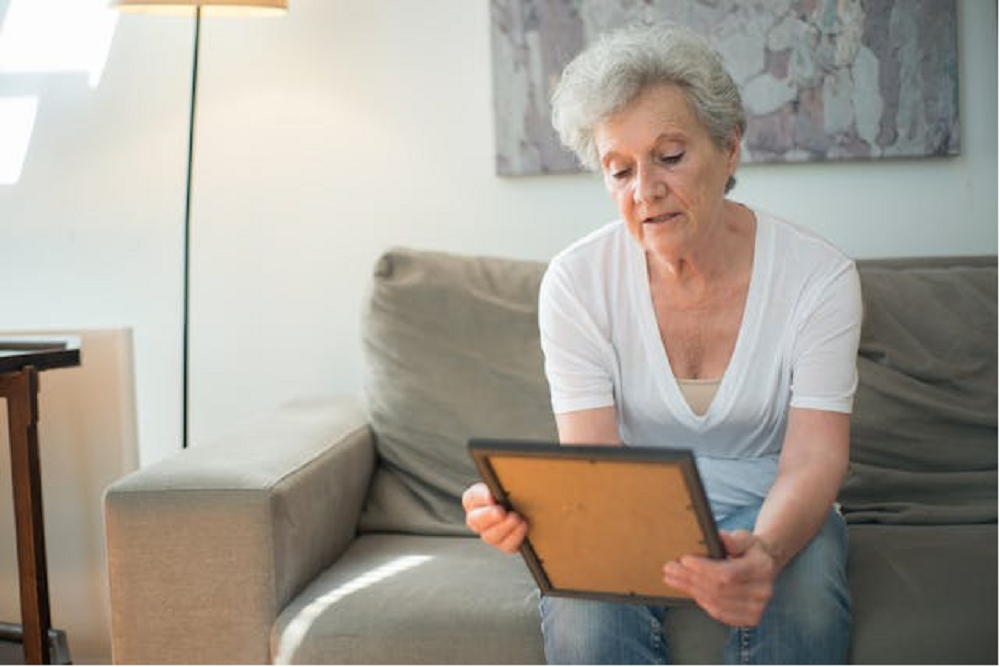
They say that the primary aim of life is to take care of the people that we like and love. In everyday life, the comfort and care of a close one who has to experience dementia is very important. More soft psychiatry techniques can help relieve stress and establish a relationship of trust without undermining dignity in every decision made. Knowledge of basic requirements and provision of regular assistance will lighten the days and decrease misunderstandings in difficult situations.
Familiar Environment
The anxiety and confusion can be minimized by a living environment that seems familiar and safe to a person with dementia. The elimination of tripping hazards and the proper arrangement of the furniture in a certain unambiguous order can direct the movement in a way that is very easy and free of sudden surprises. There can be soft light and easily recognizable photos on the walls to help remind us of joyful moments and recognizable people. To find rooms without much hassle and to keep away from entering unknown territories, signs or labels can be made at doors. A nice place to sit in the quiet corner can turn into a soothing place where calm may enter daily routine. Careful consideration of the temperature and noise should also help to avoid agitation and maintain a constant mood every day in a calm house.
Daily Routines
Routine will help dementia patients feel secure when their memory is lacking. As a routine activity, a daily task can be started with ease with the opening of curtains in the morning, followed by washing hands. Consistent mealtimes may help stimulate appetite and reduce feelings of frustration during weight loss. Busy or active mornings may be preserved with quiet or nap times in the afternoon, thus giving a smooth break to the day. Soft light and gentle music can be helpful to indicate that bedtime is coming and will help calm bedtime rest. They might also be made simpler by being consistent in applying these steps, which will facilitate the shift without causing stress or confusion in well-known rhythms.
Communicating
In essence, articulate pronunciation and soft-spoken language can foster identification in a situation where it is difficult to access words in dementia care. Making eye contact with one and talking in brief, non-complicated sentences would help attract attention and having a conversation without confusing the mind. A soothing voice that repeats important points can help to keep in mind when recollections and specifications fail. Encouraging gestures and smiles can even substitute long explanations and merely indicate that someone is warm and supportive. Short questions that one can either say yes or no to can be used to set the tone of the conversation without stress or guessing. Waiting longer to get a response demonstrates respect to those who take more time to think and shows confidence in the next interaction, one has a moment at a time.
Personal Hygiene
Helping wash and dress them can preserve the comfort and dignity of a beloved person with dementia. It is possible to provide an individual with the power of simple choices in clothing or soap and prevent confusion. It can create a sense of security and make them feel good and dignified. The individual can take care of oneself without damaging self-esteem, so individual care is something positive and needed in our lives in a sensitive and caring manner.
Professional Help
It is very important to seek contact with trained specialists. Ones with excellent memory care reviews, for example, can help and provide effective assistance in dementia care. Reviews of memory care can provide valuable information about the facilities available in a specific region capable of addressing the needs of the local population and providing benign environments. A visit to a doctor with dementia awareness can also draw an individual plan of care to resolve issues related to health and everyday life problems. Becoming a part of the local support groups will help a caregiver connect with other people experiencing common troubles and get access to a group of useful tips in a welcoming environment. When caregiving needs become excessive, services such as respite can be provided in most communities and help you relax and take time to take care of yourself. Workshops in dementia care can provide newer techniques and straightforward instruments that can enhance the quality of life of the caregiver as well as their loved ones.
Conclusion
Loving care and considerate assistance can make ordinary situations safe and comfortable for those affected by dementia. Professional and community-based resources can also benefit care plans by increasing access to guidance and offering continuous relief. Peace and well-being can be established and achieved through simple ways of caring in every moment.