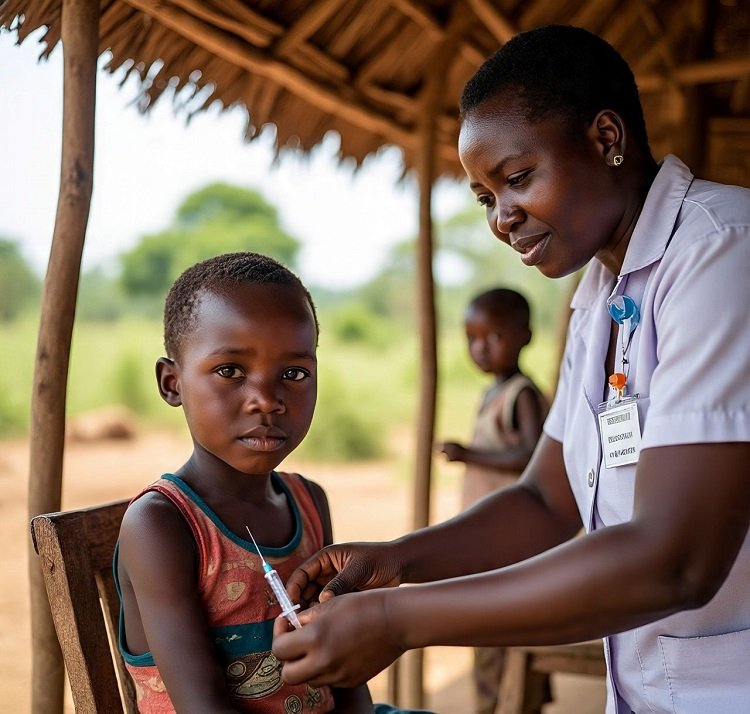
The Community Health Extension Workers (CHEWs) are key players in the healthcare delivery system, in particular in the primary health setting in the underserved and in the rural community. They can be the first point of entry into health interventions and present an important point of connection between health systems and its population. But what sort of lessons do they have prior to getting into this responsibility-laden position? This article discusses in details the fundamental topics, clinical experiences and the career opportunities which transform CHEWs into highly efficient healthcare specialists.
Find out how community health extension workers are trained: community health extension workers
The Goal of CHEW Training Programs
CHEW training is very well-planned: training does not end when the graduate becomes confident in the basic delivery of healthcare services, but is also able to educate communities, overseeing the public health issues, and finding their way in the socio-cultural nuances of rural and semi-urban settings.
The goal is multifaceted:
- To equip CHEWs to deal with emergencies.
- To ensure that there are preliminary signs and activating the communities to overcome disease outbreaks.
- In an effort to provide evidence-based quality service.
- To become advocates of health equity among vulnerable groups.
The training is accomplished through the combination of both, a demanding course of study and a field-based clinical experience; thus, connecting theoretical knowledge gained in textbooks with the practical delivery of healthcare.
Core Academic Courses
- Human Anatomy and Physiology
Any given health profession is based on a clear knowledge of the human body. Anatomy and physiology in CHEW curriculum are critical areas of information that helps understand the operations of the human body and the impacts of diseases on parts of the body. Students are taught about body structure of different body systems such as the circulatory, respiratory, digestive, nervous and others. This understanding has assisted CHEWs to interpret symptoms, provide care and interact well with other health professionals.
- Microbiology and Pathology
Microbiology teaches students about the pathogenic organisms which include bacteria, viruses, fungi and parasites. Pathology gets down into the nitty-gritty specifics of diseases including what causes them, how they develop and their impacts on the body. The awareness of these concepts assists CHEWs in the early diagnosis, formulation of treatment strategies, and education of the masses in the prevention of the disease.
- Pharmacology and Drug Administration
Community Health Extension Workers usually conduct the administration of the first line medication especially in places where the pharmacies or clinics are not readily available. Training also involves accurate information about drug type, dosage, side effect and drug interaction. CHEWs also learn how to effectively store medications and instruct patients about the right way they can use them.
- Nutrition and Dietetics
Healthy Diet should be the basis of non-ailment diseases treatment. In this course, CHEWs learn about macros and microelements, nutritional deficiency and how to plan a meal according to age groups. They already know how to provide working-level information to mothers, those who engage in care, and people with chronic diseases such as diabetes or hypertension.
- Epidemiology and Biostatistics
CHEWs need to know the way diseases are spread and how to monitor the trend of health at the community level to effectively work with the community. Epidemiology makes them familiar with the patterns of diseases and their control. Biostatistics is the method of teaching the gathering and manipulation of health information which is important in programming and measuring health merely.
Public Health and Community Oriented Courses
- Environmental Health
The CHEWs are prepared to recognize environmental conditions which can also cause disease. Examples of such topics are pollution, water and sanitation, food safety and waste management. This allows CHEWs to visit houses, schools and community facilities and teach individuals the requirements of a healthy environment.
- Maternal and Child Health
There is very high rate of maternal and child deaths in certain parts of the world hence this is an area of training that is critical. The CHEWs are schooled to work directly with the antenatal, postnatal checkups, vaccine administration, exclusive breastfeeding, child development monitoring. They also learn how to refer the cases at risk to higher health facilities.
- Family Planning and Reproductive Health
Culturally sensitive CHEWs are prepped to teach people and couples about reproductive decisions, pregnancy prevention ways, and sexually transmitted illnesses. They get to know how to counsel clients and offer discreet services without infringing on their beliefs and values.
- Health Education and Promotion
In this course, CHEWs are trained on the way to create awareness on health matters using information in the community discussing with the people during talks, in the schools using a poster, communicating with individuals. They stress culturally appropriate messages and using local languages and examples to be more familiar to information.
Practical Field Training
- Clinical Rotations
CHEW students receive training at hospitals, clinics and primary health centres in the form of clinical attachments. These rotations subject them to various departments that include, obstetrics, paediatrics, and general outpatient services among the lab science. They observe, assist and eventually work on actual cases of patients under supervision.
- Community Posting
This part of training can be the most effective one. Students are deployed to the rural or semi-urban society to exercise their expertise in real life. They conduct home visits, health surveys, immunization campaigns and inspection of hygiene. It is during this time that their adaptability and leadership skills when handling real-life situations in the community health are put to test.
- Emergency First Aid and Basic Life Support
CHEWs have to prepare to respond in emergencies. They are also trained in simple life-saving methods including CPR, bleeding control and wound care. Such abilities are crucial, at least in regions where delivery of prompt hospital treatment is not assured.
Soft Skills and Leadership Development
On the one hand, technical knowledge is essential, and, on the other hand, a considerable portion of the CHEW curriculum is dedicated to communication, ethics and leadership:
- Interpersonal Communication: CHEWs will be mentored on how to be an effective listener, express empathy and be able to communicate effectively with the patients and their families.
- Ethics and Professionalism: They study about patient confidentiality, ethics problems, and staying out of professional boundaries.
- Leadership and Community Mobilization: Leadership courses enable CHEWs to organize community health projects, conduct health campaigns, as well as handle small health teams.
Real World Readiness: Bridging Theory and Practice
Capstone projects are common at the last year of the CHEW program because students take up the roles of assessing health, designing their intervention plan, and presenting the results in front of the audience. Such projects are contributing to the connection between the theory and practice, which is yet another indicator of the validity of evidence-based community health approaches.
In addition, most schools also collaborate with the NGOs and local government as well as local hospitals in providing the services of mentorship and employment services after graduation. This is beneficial to making sure that the graduates are on ground running.
Career Development and Opportunities
CHEWs can begin their careers in health centers of their local areas but most of them are promoted to higher positions or may continue with other studies. They can develop in to:
- Educators for public heath
- Community healthcare officers
- NGO project officers
- Trainers or supervisors in CHEW programs
Online certification and refresher training as well as continuous professional development classes also keep the skills fresh and expand the opportunities. Others even become nurses, health administrator or epidemiologist.
The Impact of a Well Trained CHEW
CHEWs relieve the burden on physicians and nurses as they address a simple healthcare problem, encourage preventative treatment, and observe vulnerable groups. They are tend to be responsible of:
- Birth of skilled attendance provided and reduced agrarian mortality of mothers
- Malaria prevention by means of educating and distributing nets
- Having childhood immunizations done
- Reporting and monitoring disease outbreaks early
They have proved to be essential components of the health system in Nigeria because of their capacity to work in difficult settings.
Conclusion
Being a Community Health Extension Worker is not limited to the exam time, but also about learning how to remain resilient, compassionate, and flexible to serve where the need is essential. As revealed in the curriculum above, they leave with clinical, communicative, and leadership skills to transform health at the community level.
CHEWs play a crucial role in the quest to attain universal health coverage and sustainable development goals as they are frontline health professionals. They are well-trained, and their work is highly essential because their presence counts.