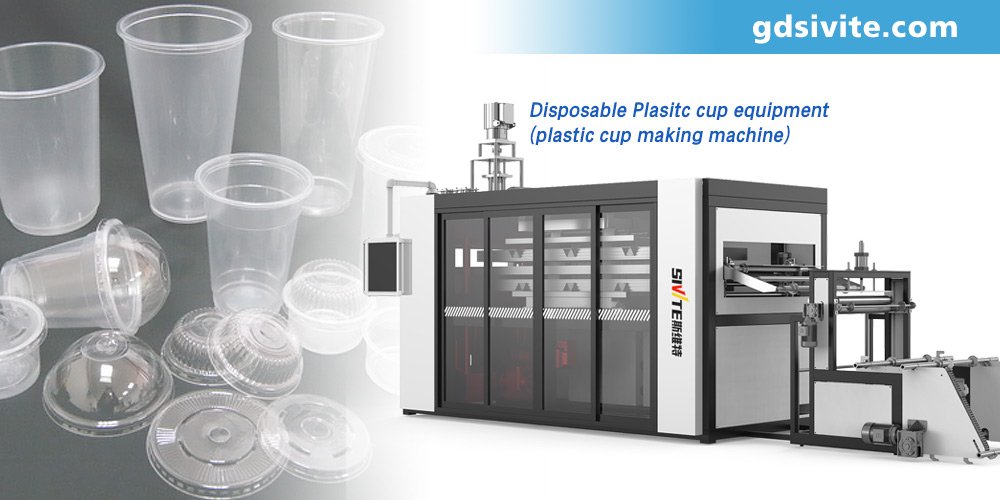
In today’s fast-paced world, the demand for disposable food and beverage containers continues to soar. Among these, plastic cups remain one of the most widely used items in various industries — from hospitality and food services to retail and events. At the heart of this mass production lies the plastic cup making machine, a powerful piece of equipment that has revolutionized the way manufacturers produce high volumes of plastic cups efficiently and cost-effectively.
This article delves into everything you need to know about plastic cup making machines — their technology, benefits, types, and how they are changing the game in disposable product manufacturing.
What is a Plastic Cup Making Machine?
A plastic cup making machine is an industrial piece of equipment designed to manufacture plastic cups at a high volume. These machines mold plastic materials such as polypropylene (PP), polyethylene (PE), or polystyrene (PS) into the desired cup shape through processes like thermoforming, injection molding, or extrusion.
The process typically starts with heating plastic sheets or granules, shaping them into cup molds, cooling them, and then trimming and stacking them. Modern machines often include automation features that ensure precise production, reduced labor, and minimal waste.
Types of Plastic Cup Machines
There are different types of machines under the umbrella of plastic cup equipment, each suitable for specific manufacturing needs and materials:
- Thermoforming Machines
These are the most common type for plastic cup manufacturing. They heat plastic sheets to a pliable state and mold them into cups using vacuum or pressure. Thermoforming is popular due to its speed and ability to handle high production runs. - Injection Molding Machines
This type of plastic cup machine uses molds to shape molten plastic injected under high pressure. It offers high precision and is ideal for manufacturing cups with intricate designs or specific structural properties. - Extrusion and Forming Machines
These machines combine plastic extrusion with forming processes and are typically used for creating customized cup shapes or multilayer cups. - Automatic Cup Making Machines
Fully automated systems integrate heating, forming, cutting, stacking, and even printing in one streamlined process. They are ideal for large-scale production facilities focusing on efficiency.
Key Components of Disposable Plastic Cup Equipment
A disposable plastic cup equipment setup consists of various crucial components that work in tandem to deliver consistent output:
- Feeding System: Loads plastic materials into the machine.
- Heating Unit: Heats plastic sheets or granules to the forming temperature.
- Forming Station: Molds the plastic into cup shapes.
- Cutting Station: Trims the excess material from the formed cups.
- Stacking Unit: Collects and organizes finished cups for packaging.
- Control Panel: Allows operators to adjust settings such as temperature, speed, and size.
Some advanced machines also come equipped with robotic arms and visual inspection systems to enhance quality control and precision.
Benefits of Using a Plastic Cup Making Machine
Investing in modern plastic cup equipment brings a multitude of advantages to manufacturers:
1. High-Speed Production
Plastic cup machines are engineered for speed. Some thermoforming machines can produce over 50,000 cups per hour, making them ideal for large orders and consistent supply chains.
2. Cost Efficiency
Automated machines reduce labor costs and material wastage. Many systems are designed to recycle excess material, contributing to overall savings.
3. Consistent Quality
With precise molds and advanced temperature controls, manufacturers can ensure uniform size, thickness, and strength in every cup.
4. Flexibility
Modern machines allow quick changes in cup size and design, enabling manufacturers to diversify their product range without significant downtime.
5. Environmental Considerations
Some plastic cup machines now accommodate biodegradable or recyclable plastics, helping companies reduce their environmental footprint while meeting eco-conscious consumer demands.
Choosing the Right Plastic Cup Equipment
When selecting the right plastic cup making machine, manufacturers should consider:
- Production Volume: High-speed, fully automated machines are better for mass production.
- Material Compatibility: Ensure the machine supports the type of plastic you intend to use (e.g., PP, PS, PET).
- Customization: If you plan to offer multiple cup sizes or designs, choose equipment that allows quick mold changes.
- Automation Features: Consider machines with integrated stacking, counting, and printing to streamline operations.
- Energy Efficiency: Opt for machines with lower power consumption to reduce operational costs.
Market Trends and Innovations
The plastic cup manufacturing industry is evolving rapidly due to changing consumer preferences and environmental regulations. Several key trends are influencing the future of disposable plastic cup equipment:
- Shift Toward Bioplastics: Machines compatible with compostable and biodegradable materials are becoming increasingly popular.
- Smart Automation: Integration of IoT (Internet of Things) and AI allows for real-time monitoring, predictive maintenance, and enhanced production analytics.
- Hybrid Machines: Equipment that can switch between plastic and paper cup production is gaining attention due to the demand for eco-friendly alternatives.
Maintenance and Safety
Maintaining a plastic cup machine is crucial for prolonged performance and safety. Regular lubrication, mold inspection, electrical checks, and cleaning are necessary. Operators should be trained to understand the machine’s functions, emergency shut-off protocols, and troubleshooting procedures.
Modern machines often come with built-in safety features like overload protection, sensor-based error detection, and automatic shutdown systems.
Conclusion
The plastic cup making machine plays a vital role in the disposable product industry, offering speed, consistency, and adaptability in manufacturing processes. Whether you’re a startup entering the disposable cup market or an established manufacturer scaling operations, choosing the right plastic cup equipment can significantly impact your efficiency and profitability.
As sustainability continues to shape the industry’s direction, machines that are versatile, energy-efficient, and capable of handling eco-friendly materials will be key to long-term success. With advancements in automation and smart technology, the future of plastic cup production looks more innovative — and sustainable — than ever before.