In our busy daily lives, it’s easy to fall into the habit of regular surface cleaning—wiping counters, sweeping floors, and doing the laundry. While these tasks keep our homes looking tidy, they often miss the deeper dirt, bacteria, and allergens hiding in places we can’t see. This is where deep cleaning becomes essential.
What Is Deep Cleaning?
Deep cleaning goes beyond everyday cleaning routines. It involves detailed, thorough work that targets grime and buildup in hard-to-reach areas. For example, deep cleaning might include scrubbing grout lines, cleaning behind kitchen appliances, washing baseboards, or sanitizing bathroom tiles. It’s not just about appearances—deep cleaning eliminates germs, improves indoor air quality, and creates a healthier space for everyone in the home.
Why Is Deep Cleaning Important?
- Health Benefits
Dust, mold, pet dander, and bacteria can accumulate over time and affect your health, especially if someone in the home has allergies or asthma. Deep cleaning helps remove these harmful particles, making it easier to breathe and reducing the risk of illness. - Pest Control
Crumbs in hidden corners, grease buildup under stoves, or neglected trash bins can attract pests like ants, cockroaches, and rodents. Deep cleaning removes these attractants and keeps your home less appealing to unwanted visitors. - Extends the Life of Furniture and Appliances
When your home is cleaned thoroughly, it prevents the buildup of dirt and grime that can damage furniture finishes or clog appliances. For instance, regularly deep-cleaning your fridge and washing machine helps them run more efficiently and last longer. - Enhances Mood and Reduces Stress
Clutter and mess can affect your mental well-being. A clean and organized environment promotes relaxation and clarity. Deep cleaning, though more time-consuming, brings a sense of accomplishment and peace that surface cleaning often can’t. Also Check tile installation tools online.
When Should You Deep Clean?
Most experts recommend doing a deep clean at least twice a year—typically in the spring and fall. However, some areas of the home might need more frequent attention. For example:
- Kitchens and bathrooms should be deep cleaned monthly due to frequent use.
- Carpets, upholstery, and curtains may need deep cleaning every 3–6 months.
- Bedrooms and living rooms can benefit from a seasonal deep clean.
DIY or Professional Help?
While many homeowners choose to do deep cleaning themselves, it can be time-consuming and physically demanding. Hiring professional services can save time and ensure a more thorough result. For example, if you’re in need of expert services, CP deep cleaning offers detailed and affordable deep cleaning for residential and commercial spaces. Their team is trained to spot and remove dirt you might miss, ensuring your space is spotless and hygienic.
Tips for Effective Deep Cleaning
If you decide to deep clean home on your own, here are a few tips:
- Make a checklist. Go room by room and write down the tasks you want to complete. This keeps you organized and helps you track progress.
- Declutter first. Remove unnecessary items before cleaning so you can reach surfaces more easily.
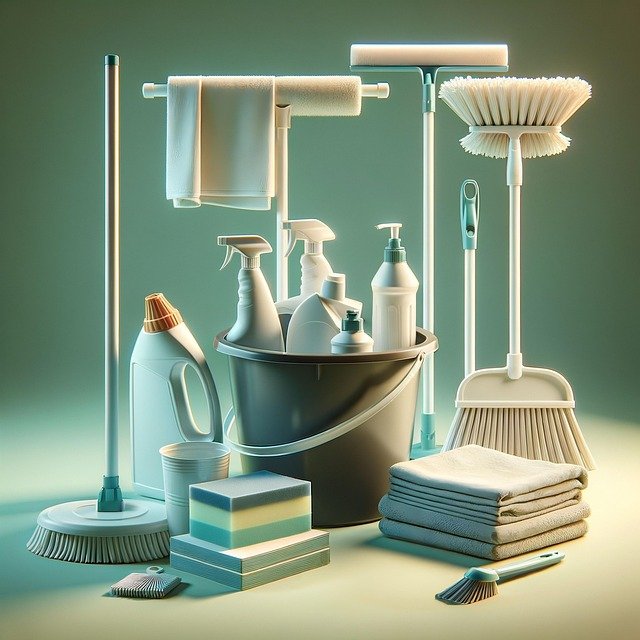
- Use the right tools. Microfiber cloths, scrub brushes, baking soda, vinegar, and eco-friendly cleaners can make the job easier and safer for your family.
- Don’t rush. Deep cleaning takes time. Spread it over a weekend or dedicate a few hours each day to avoid burnout.
Final Thoughts
Deep cleaning may not be the most glamorous task, but it’s one of the most important when it comes to creating a safe, welcoming, and healthy home. Whether you tackle it yourself or call in the professionals, the results are always worth the effort. Your home will not only look clean—it will feel clean.