Sign boards are essential for any business that wants to increase visibility, promote products, or simply guide customers to their location. When it comes to choosing the right material for your sign board, it’s crucial to select one that aligns with your business needs, location, and aesthetic. With so many options available, it can be challenging to determine which materials are best for your sign board companies dubai. This article will explore the most popular and effective materials used in sign board manufacturing, helping you make an informed decision for your next signage project.
Why Material Choice Matters for Sign Boards
Selecting the right material for a sign board goes beyond just appearance. The material affects the longevity, maintenance, readability, and overall impact of the sign. Whether you want your sign to withstand harsh weather conditions or simply look good for a short period, the material plays a crucial role. The wrong material choice can lead to fading, warping, and maintenance headaches, costing you more money in the long run. Therefore, it is essential to weigh the pros and cons of different materials before making a decision.
Commonly Used Materials for Sign Boards
There are various materials used by signboard manufacturers, each offering different advantages depending on your specific needs. Below are some of the most commonly used materials for sign boards and the situations where they excel:
1. Acrylic
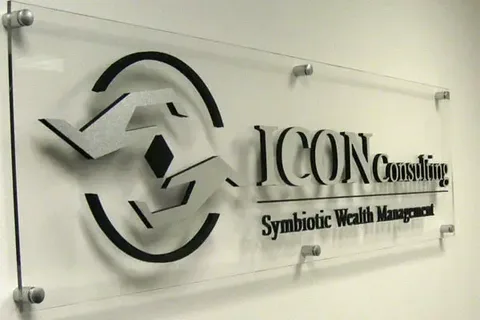
Acrylic is one of the most popular materials for sign boards due to its durability and versatility. It is a type of plastic that can be made transparent or opaque, offering flexibility in design. Acrylic signs are lightweight, weather-resistant, and available in various colors. They are commonly used for indoor signage, including lobby signs, and for outdoor signs in mild weather conditions. Acrylic is also easy to cut and shape, allowing for customized designs.
Advantages of Acrylic:
- Lightweight and easy to handle
- Can be molded into any shape
- Suitable for both indoor and outdoor use
- UV resistant and durable
- Affordable and versatile
Acrylic is ideal for businesses looking for clear, sleek signage that provides a professional appearance while still being cost-effective.
2. Aluminum
Aluminum is a durable and versatile metal used in both outdoor and indoor signage. It is one of the best materials for sign boards exposed to harsh weather conditions, such as extreme heat, rain, and wind. Aluminum signs are rust-resistant, making them an excellent choice for long-lasting outdoor signs. They are also lightweight, which makes installation easier and more affordable.
Advantages of Aluminum:
- Resistant to rust and corrosion
- Long-lasting and durable in all weather conditions
- Lightweight and easy to install
- Can be printed with high-quality graphics
- Low-maintenance and easy to clean
Aluminum signs are perfect for businesses located outdoors or in areas that experience a lot of rain, humidity, or sun exposure.
3. PVC (Polyvinyl Chloride)
PVC is a cost-effective and popular material used in sign board manufacturing. It is a type of plastic that is lightweight, durable, and resistant to the elements. PVC is commonly used for both indoor and outdoor signs. It can be easily cut and shaped to fit different designs and applications. PVC signs are often seen in retail environments, directional signs, and temporary outdoor signs.
Advantages of PVC:
- Affordable and budget-friendly
- Lightweight and easy to handle
- Resistant to moisture and fading
- Suitable for both indoor and outdoor use
- Easy to cut and print on
PVC is ideal for businesses seeking cost-effective signage that still offers durability and weather resistance.
4. Wood
Wooden sign boards are timeless and can add a rustic, natural look to your business’s branding. Wood is an excellent material for businesses that want to convey an organic or handcrafted image. While wood may not be as weather-resistant as materials like aluminum or acrylic, it offers an aesthetic charm that other materials can’t replicate. It’s important to properly treat and seal the wood to protect it from the elements.
Advantages of Wood:
- Unique, rustic, and natural appearance
- Customizable and versatile
- Can be used for indoor or outdoor signage
- Strong and durable when sealed properly
- Great for creating a unique, handcrafted brand image
Wood is perfect for boutique businesses, cafes, and companies that want to emphasize a warm, personalized, and welcoming environment.
5. Foam Board
Foam board, also known as foam core, is a lightweight material that is often used for temporary signage or indoor use. It consists of a foam center sandwiched between two layers of paper or plastic. While it is not suitable for long-term outdoor use, foam boards are excellent for events, trade shows, and indoor promotions. They are easy to print on, affordable, and lightweight, making them a popular choice for budget-friendly projects.
Advantages of Foam Board:
- Affordable and budget-friendly
- Lightweight and easy to carry
- Perfect for indoor signage and promotions
- Easy to print and customize
- Available in different thicknesses
Foam board is ideal for businesses that need temporary signage or need something lightweight and easy to transport.
Also Read:-https://b2barticles.com/post/8-benefits-of-custom-signboards-for-branding
Comparison of Sign Board Materials
| Material | Durability | Best Use | Weather Resistance | Cost |
|---|---|---|---|---|
| Acrylic | High | Indoor & Outdoor Signage | UV Resistant | Moderate |
| Aluminum | Very High | Outdoor Signage, Directional Signs | Rust-resistant | Higher |
| PVC | Moderate | Indoor & Outdoor, Temporary Signs | Moisture-resistant | Low |
| Wood | Moderate to High | Rustic & Vintage Signage | Requires Sealing | Moderate |
| Foam Board | Low to Moderate | Event & Indoor Signage | Not Weatherproof | Low |
Factors to Consider When Choosing the Best Material
While material choice is critical, there are other factors you need to consider when selecting the best material for your sign board:
1. Durability and Weather Resistance
Consider the environment in which your sign will be placed. If you are looking for a sign that will be displayed outdoors and exposed to the elements, you’ll need a material that can withstand harsh weather conditions. Materials like aluminum and acrylic are highly weather-resistant and ideal for long-lasting outdoor signage.
2. Aesthetic Appeal
The appearance of your sign is essential in making a strong first impression on potential customers. Wooden signs, for instance, provide a rustic charm, while acrylic and aluminum offer sleek, modern designs. Think about the atmosphere and branding of your business when choosing a material that aligns with your image.
3. Cost Efficiency
Cost is often a determining factor when choosing the right material. Materials like foam board and PVC are more budget-friendly, making them great options for temporary signage or indoor use. On the other hand, if you want a long-lasting sign that can endure outdoor conditions, investing in higher-quality materials like aluminum might be a better choice in the long run.
4. Customization Options
If you have a unique design in mind for your sign, make sure that the material you choose can be easily customized. Acrylic, PVC, and aluminum are all excellent options for high-quality printing and intricate designs. Wood can also be customized, but it may require additional time and effort to create detailed designs.
5. Maintenance and Upkeep
Consider the amount of maintenance your sign will need. Materials like aluminum and acrylic require very little maintenance. In contrast, wood may need regular sealing or repainting to maintain its appearance. PVC and foam board are also low-maintenance but may need occasional cleaning to keep them looking fresh.

Best Signage Materials Based on Business Type
| Business Type | Ideal Material | Key Advantages |
|---|---|---|
| Retail Stores | Acrylic, PVC, Aluminum | Durable, professional look |
| Restaurants | Wood, Aluminum, Acrylic | Rustic charm, weather-resistant |
| Events/Exhibitions | Foam Board, PVC | Affordable, easy to transport |
| Corporate Offices | Acrylic, Aluminum | Sleek, professional designs |
| Outdoor Signage | Aluminum, Acrylic | Weatherproof, long-lasting |
Conclusion: Make the Right Choice for Your Sign Board
Selecting the best material for your sign board is essential for ensuring your signage is effective, durable, and cost-efficient. By understanding the advantages and disadvantages of different materials like acrylic, aluminum, PVC, wood, and foam board, you can make a well-informed decision that suits your business’s needs.
Remember that the material you choose impacts not only the look of your signage but also its longevity and maintenance. By carefully evaluating your business type, location, and budget, you’ll be able to select the ideal material that will help your brand stand out and leave a lasting impression on your audience.
For More Insightful Articles Related To This Topic, Feel Free To Visit: dutable.