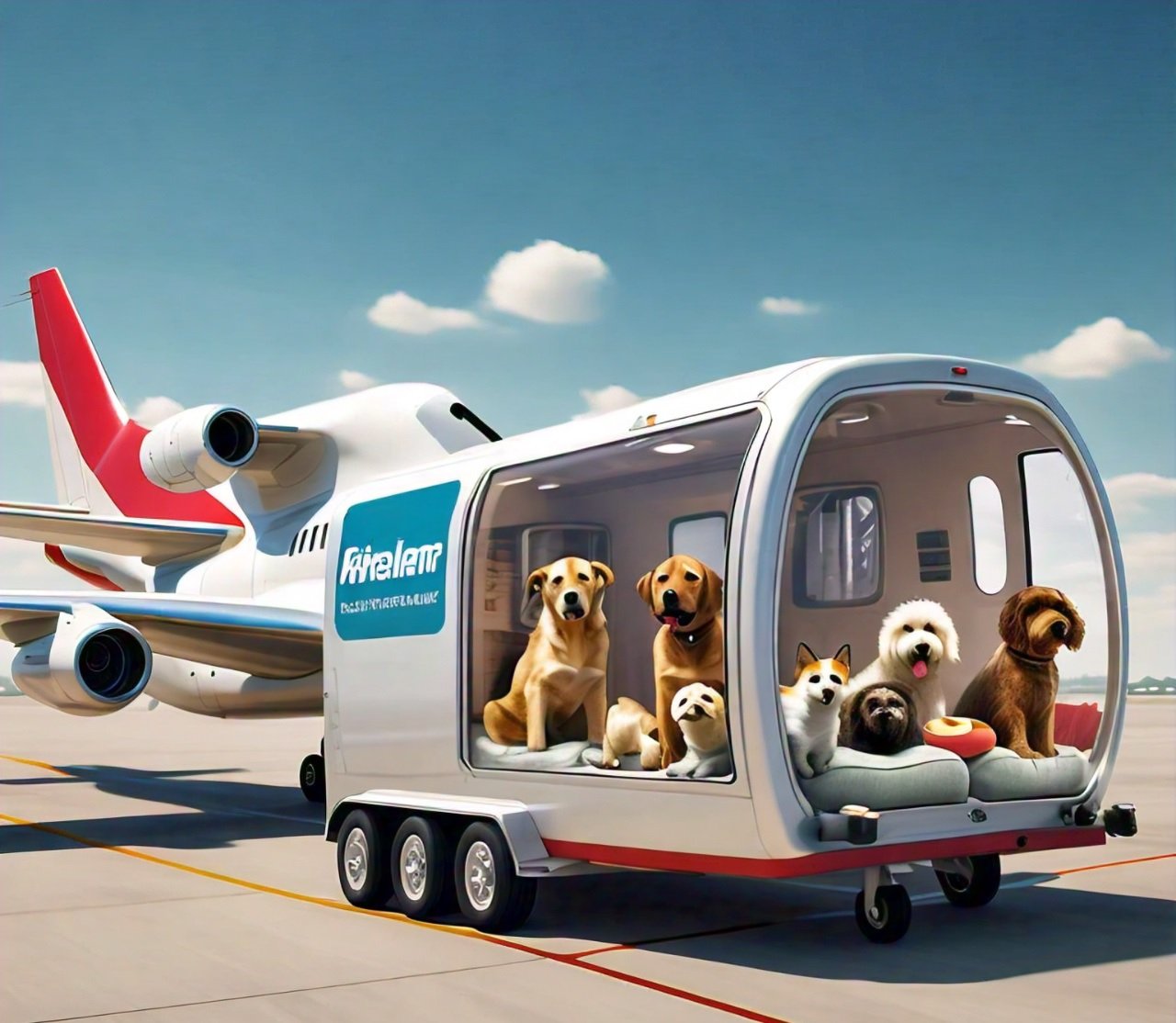
Shipping pets, whether for relocation, vacations, or international moves, can be a stressful experience for both the animal and the owner. Nonetheless, if you plan and prepare correctly, then the process will become straight and its stress to you can also be reduced to a minimum. Pet shipping is a multistage process that includes several key stages, the most important being selecting a suitable transportation, making sure all the attachments with the laws are practical, and preparing the pet for the trip.
By following best practices, pet owners can help ensure a safe, comfortable, and stress-free experience for their furry friends.
Plan Well in Advance
The initial and perhaps the most critical step of having a pet shipped stress-free is to start the checkpoints as soon as possible. Pet transportation is a journey that may require you to take some time to gather the needed documents, book flights, and arrange accommodations-most importantly, prepare your pet for the trip. The correct thing to do is not to follow the regulations about certain vaccinations, health certificates, and documentation until the required time, depending on the travel destination involved.
International travel has some extra complicated rules, such as quarantine periods, health assessments, and proof of vaccinations. Scheduling in advance means you can have a buffer way in which you can address any paperwork disputes or flight delays, which means that you are all ready for departure at least a week before the travel date.
Select the Right Shipping Method
You may select from different options to ship your furry friend. They can go by air, road, or even sea depending on the distance and destination. For long distances, air travel is the most commonly used method, especially if the pets are being moved internationally. While selecting the right shipping method, pet owners should consider the size, and temperament of their pets, as well as the distance to be covered. Also, it is advisable to talk to a reputable pet transport company that deals with the kind of travel that the pet will be doing.
For air travel, it is important to find an airline that is known for good services in handling pets. Numerous airlines now have their own even more improved pet services like temperature-controlled holds in the cargo section and well-trained staff assigned to oversee your pet’s comfort during the flight. If you’re heading to a domestic by car platform, ensure your pet is secured properly in their carrier or vehicle harness, and plan for short break stops to check if they are not getting anxious on the way.
Use a Top-Quality Pet Carrier
A perfect pet carrier is a must for a good journey and safety just as it is for comfort. The carrier should be sufficiently large for your pet to stand, turn around, and lie down comfortably but it should not be so large that the pet moves around during travel. Also, the carrier should be airline-approved and must meet certain dimensions set by the airline for air travel. Moreover, the carrier should be designed with enough air holes, secure doors, and water-poof bottoms. For introducing your pet to the carrier and allowing your pet to get used to it, you can place a soft bed or blanket inside the carrier. The introduction process to the pet carrier should take place several days before the journey so that your pet can adapt and get used to it.
Consult a Veterinarian
A consultation with a veterinarian is essential before undertaking pet shipping. A vet’s assurance that your pet is healthy enough to travel and their issuing of any necessary health certificates or vaccination records are significant. Some countries have stringent rules for animal imports, for example, rabies vaccination and general health clears are typically required.
A veterinarian can also advise you on whether any further treatments or medications are required, like anti-anxiety medication or motion sickness tablets. It is essential to dispense drugs with the guidance of a professional only, as some of the sedatives may have adverse effects on the animals during the trip. Also, a health assessment before the trip can be a very good way to make sure that your pet will not have any complications during transit.
Introduce Your Pet to Travel
The more your pet encounters the travel experience, the less stress it will have. If your pet is to be transported in a carrier gradually allow them to get used to it up to the weeks before the journey. Let them walk in and out of the carrier for some time to make it more comfortable and friendly for them. If you are driving, your pets might find it useful to take a few car rides to get used to the long journey. If your pet is affected by car sickness, you can refer to the vet for helping tips.
Make Provisions for Possible Delays or Issues
Even the most well-laid plans can catch bumps and bring about delays in pet shipping. Unforeseen incidents such as the weather conditions, flight cancellations, or customs inspections can also delay shipping. To ensure that your pet is not affected, provide enough food, and water, for the journey, and expect to stay overnight if needed.
Also, pack a travel bag with essential pet items such as extra food, medications, a leash, and comfort items like their beloved toy or blanket. Moreover, provide easy access to the pet transport company, airline, and receiving party’s contact information in case you need to make last-minute changes or adjustments.
Monitor Your Pet’s Journey
Most of the modern pet shipping companies allow you to monitor the movement of your furry friend during the journey through their tracking services. This monitoring process provides you with peace of mind and also allows you to see if there are any delays. Ask your pet shipping provider if such services are available and also on how you can keep in touch during the trip.
For air travel, airlines can provide you with live updates on the flight and the location of your pet’s carrier. Being in touch with your pet’s transport company helps you to stay updated and deal with issues in a timely manner.
Post-Arrival Care
The moment your pet arrives at their destination it becomes crucial to continuously monitor their health and comfort. Pets can be fatigued, dehydrated, or anxious after a long journey. By offering food, water, and a quiet space to rest after the trip, you can help your pet. If you are traveling internationally, it is prudent to have your pet undergo a post-arrival veterinary checkup to ascertain that they are healthy after the trip.
If your pet was in quarantine upon arrival, grant them time to adjust in the new environment before introducing new routines or other pets. Slowly, for your pet to feel at home, the accommodation of the pet into the normal home can help in removing the stress.
Conclusion
Pet shipping doesn’t have to be an anxiety-inducing undertaking if you adhere to the best practices. Through careful planning, the appropriate method of shipping, and proper pre-shipping, as well as professional help, you can ensure your pet’s safety and comfort in the journey. You can have a smooth and stress-free pet shipping experience for both you and your beloved four-legged friend by consulting a veterinarian, acclimating to travel, and choosing the best pet carrier and transport service.