In today’s rapidly evolving work environment, optimizing space utilization is a crucial factor for enhancing productivity and operational efficiency. With the shift towards hybrid and flexible work arrangements, businesses are increasingly looking for innovative solutions to maximize their physical office spaces. Workplace occupancy sensors have emerged as a key technology in this regard, offering valuable insights into how spaces are utilized throughout the day. These sensors monitor occupancy levels in real-time, allowing organizations to collect data on employee behavior, identify patterns, and make informed decisions about space management. By leveraging this technology, companies can reduce wasted space, enhance the employee experience, and ultimately drive better business outcomes. This article explores how workplace occupancy sensors can significantly optimize space utilization through various applications and strategic implementations.
Role Of Workplace Occupancy Sensors In Space Management
Workplace occupancy sensors play a vital role in effective space management by providing accurate, real-time data on how different areas of an office are being utilized. These sensors can detect the presence of individuals within a specific space, enabling organizations to monitor occupancy levels in meeting rooms, workstations, and communal areas. This data is crucial for understanding usage patterns, such as peak occupancy times, which areas are frequently underutilized, and how space is allocated across different teams or departments. With this information, facility managers can make informed decisions regarding office layout and design, ensuring that the available space aligns with employee needs and organizational objectives. For instance, if occupancy data reveals that certain conference rooms are consistently underutilized, organizations might reconsider their allocation of space, repurposing it for collaborative work environments or additional quiet zones. By integrating workplace occupancy sensors into their space management strategies, organizations can optimize their physical footprint, reduce unnecessary overhead costs, and create a more efficient and responsive work environment.
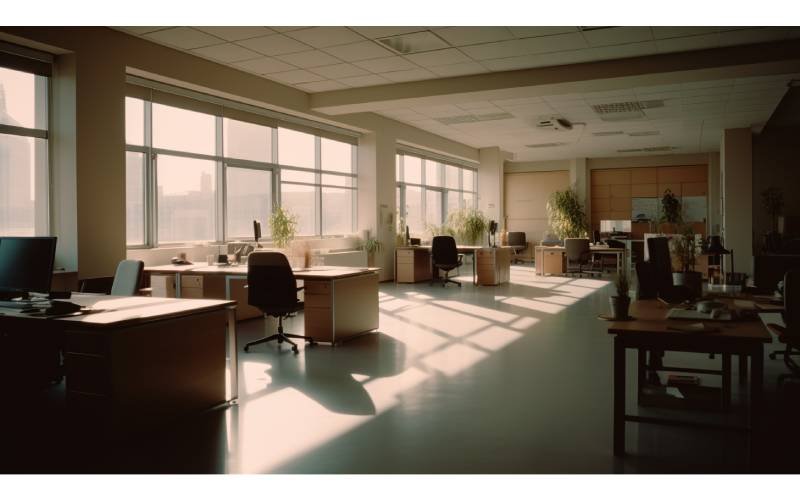
Flexibility With Workplace Occupancy Sensors For Dynamic Workspaces
In an era where workplace flexibility is paramount, workplace occupancy sensors are instrumental in creating dynamic work environments that adapt to changing employee needs. These sensors enable organizations to shift away from rigid, assigned seating arrangements towards more fluid, collaborative spaces that can be tailored to specific tasks or team requirements. For example, in a hybrid work model, employees may not be present in the office every day, leading to fluctuating occupancy levels. Workplace occupancy sensors help track these variations, allowing facility managers to adjust seating arrangements accordingly. Additionally, by analyzing real-time data, organizations can design spaces that encourage collaboration, such as communal areas and huddle rooms, which can be reserved based on actual usage patterns. This flexibility not only enhances employee satisfaction but also fosters a culture of collaboration and innovation, as teams can easily access the resources and spaces they need when they need them. Ultimately, workplace occupancy sensors empower organizations to maximize their space’s functionality, ensuring that it can easily adapt to the evolving dynamics of modern work.
Analyzing Data From Workplace Occupancy Sensors To Improve Office Layout
The data collected from workplace occupancy sensors provides valuable insights that can significantly improve office layout and design. By analyzing occupancy patterns over time, organizations can identify which areas are most frequently used and which are neglected. This analysis can inform decisions about how to optimize the layout for efficiency and effectiveness. For instance, if data shows that certain workstations are overcrowded while others remain vacant, facility managers can reassess the distribution of desks and communal spaces, possibly relocating underutilized workstations to create more collaborative zones. Furthermore, understanding employee movement patterns can inform the placement of amenities such as break rooms, rest areas, and conference rooms, ensuring they are easily accessible and conducive to employee flow. The insights gained from workplace occupancy sensors can also aid in planning future expansions or renovations, allowing organizations to design spaces that better meet the needs of their workforce. By leveraging this data-driven approach to office layout, companies can create environments that enhance employee productivity and morale while making the most efficient use of their available space.
Reducing Unused Space Through Workplace Occupancy Sensors Insights
One of the most significant advantages of workplace occupancy sensors is their ability to identify and reduce unused space within an office environment. Many organizations struggle with space underutilization, which can lead to unnecessary costs and inefficiencies. Workplace occupancy sensors provide a clear picture of how often each area is occupied, highlighting spaces that are rarely used. For instance, sensors may reveal that specific meeting rooms or quiet zones are consistently empty, prompting organizations to reconsider their allocation of resources. By analyzing this data, facility managers can make strategic decisions about repurposing or consolidating spaces, ensuring that every square foot of the office serves a functional purpose. This not only optimizes space utilization but also contributes to cost savings, as businesses can avoid unnecessary expenditures on leasing or maintaining underused areas. Moreover, by transforming unused spaces into areas that better serve employee needs such as collaborative zones or wellness spaces organizations can enhance the overall employee experience while improving operational efficiency.
Increasing Employee Collaboration Using Workplace Occupancy Sensors
Workplace occupancy sensors facilitate increased employee collaboration by providing insights into how teams interact and utilize shared spaces. By monitoring occupancy levels in collaborative areas, organizations can identify trends in employee behavior, such as when and where teams prefer to gather for discussions or brainstorming sessions. This information can inform the design of collaborative spaces, ensuring they are equipped with the necessary resources and technology to support teamwork. For example, if occupancy data indicates that specific huddle rooms are frequently booked while others remain empty, organizations can optimize their layout and technology offerings to meet employee preferences better. Furthermore, workplace occupancy sensors can help facilitate a more flexible work environment by allowing employees to see real-time availability of collaborative spaces through integrated apps or digital displays. This transparency encourages spontaneous collaboration, as teams can easily find and utilize available spaces when they need them. By fostering an environment that prioritizes collaboration and communication, organizations can enhance creativity and innovation while also improving employee satisfaction and engagement.
Impact Of Workplace Occupancy Sensors On Reducing Overcrowding
Overcrowding is a common challenge in many workplaces, particularly in open office layouts where space is limited. Workplace occupancy sensors play a crucial role in mitigating this issue by providing real-time occupancy data that helps facility managers monitor and manage space utilization effectively. When occupancy levels exceed optimal thresholds, organizations can take proactive measures to alleviate overcrowding, such as redirecting employees to underutilized areas or adjusting the office layout to create more space. Additionally, occupancy sensors can trigger alerts when certain areas become too crowded, prompting immediate action to ensure employee comfort and productivity. By addressing overcrowding issues promptly, organizations can create a more pleasant work environment, reducing employee stress and enhancing overall satisfaction. Furthermore, the insights gained from occupancy sensors can inform long-term strategies to prevent overcrowding in the future, such as adjusting staffing levels or revising office design. Ultimately, by effectively managing space and preventing overcrowding, workplace occupancy sensors contribute to a more productive and comfortable workplace for all employees.
Integrating Workplace Occupancy Sensors With Smart Building Technologies
The integration of workplace occupancy sensors with smart building technologies represents a significant advancement in optimizing space utilization. Smart buildings leverage the Internet of Things (IoT) to connect various systems and devices, allowing for seamless communication and data sharing. By incorporating workplace occupancy sensors into this ecosystem, organizations can gain deeper insights into space utilization and overall building performance. For instance, occupancy data can be used to inform building management systems, which can automatically adjust lighting, heating, and cooling based on real-time occupancy levels. This integration not only enhances energy efficiency but also improves the overall comfort of the workplace. Additionally, smart building technologies can enable predictive analytics, allowing organizations to anticipate occupancy trends and make proactive adjustments to their space management strategies. By leveraging advanced technologies, organizations can create a responsive, data-driven workplace that optimizes space utilization, enhances employee comfort, and contributes to sustainability goals. This holistic approach ensures that businesses remain agile and competitive in an ever-changing work landscape.
Conclusion
Workplace occupancy sensors offer a transformative solution for optimizing space utilization in modern office environments. By providing real-time data on occupancy patterns, these sensors enable organizations to make informed decisions about space management, enhancing flexibility, collaboration, and employee satisfaction. Through the analysis of occupancy data, businesses can reduce unused space, address overcrowding, and create office layouts that better serve their workforce’s needs. Furthermore, the integration of workplace occupancy sensors with smart building technologies allows for a comprehensive approach to space optimization, ensuring that organizations remain agile and efficient in an ever-evolving work landscape. As companies continue to adapt to new ways of working, embracing workplace occupancy sensors will be key to maximizing space utilization and fostering a productive and comfortable workplace for all employees.