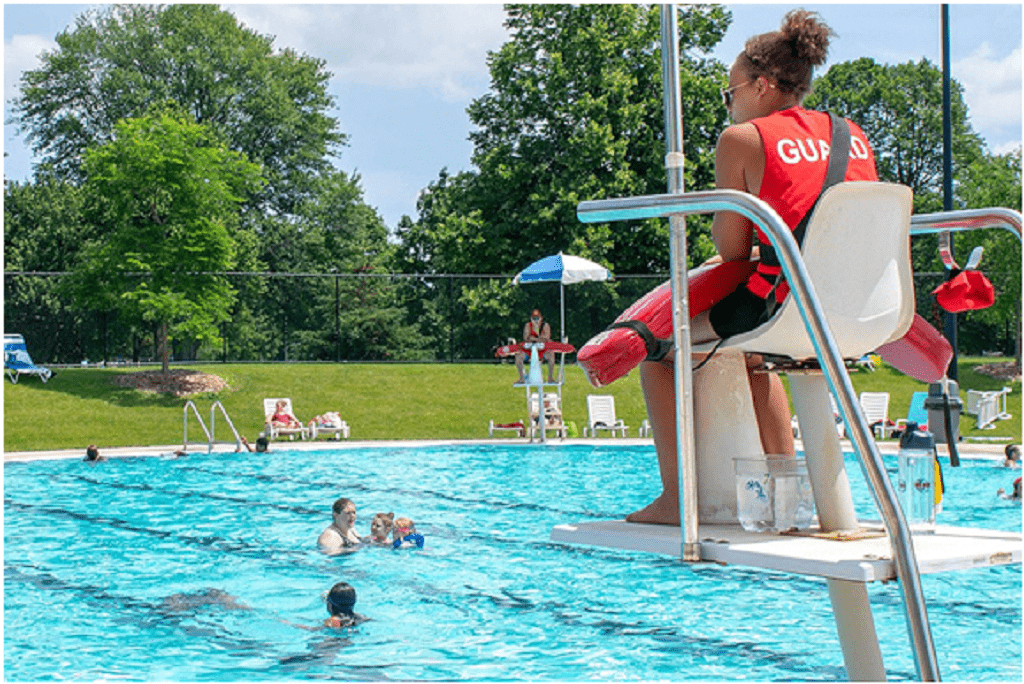
Introduction: Understanding the Importance of Lifeguards
Lifeguards play a pivotal role in maintaining safety and preventing accidents in aquatic environments. Whether it’s a pool, beach, or water park, their vigilance and expertise ensure the protection of swimmers and patrons. The American Lifeguard Association (ALA) sets comprehensive standards for lifeguards, outlining crucial elements necessary to ensure optimal safety.
Physical Fitness and Swimming Skills
Being a lifeguard demands excellent physical fitness and strong swimming abilities. A robust physique enables quick response times in emergencies, while proficient swimming skills facilitate effective rescues.
Alertness and Attention to Detail
A key trait of an exceptional lifeguard near me is their unwavering focus and attention to detail. Constant vigilance helps in spotting potential risks or distress signals among swimmers, allowing for timely intervention.
Communication and Interpersonal Skills
Effective communication skills are vital for lifeguards to convey instructions clearly and calm distressed individuals. The ability to interact positively with patrons fosters a safer and more comfortable environment.
Understanding ALA Standards for Lifeguards
The ALA outlines rigorous training programs and certification prerequisites that lifeguards must undergo. These programs cover various aspects such as water rescue techniques, CPR, and first aid.
Compliance with Safety Regulations
ALA standards emphasize compliance with safety regulations, ensuring lifeguards are well-versed in handling emergencies and adhering to protocols to prevent accidents.
Planning the Perfect Lifeguard Setup
Thoroughly assessing the environment is crucial. Factors like water depth, currents, and crowd density need evaluation to determine the ideal lifeguard-to-swimmer ratio.
Equipment and Facility Considerations
Proper equipment, such as rescue buoys and first aid kits, should be readily available. Additionally, ensuring clear visibility and accessible emergency exits is imperative.
Emergency Response and First Aid Training
Lifeguards need comprehensive training in swift emergency responses and proficient first aid techniques to handle various scenarios effectively.
Preventive Measures and Safety Protocols
Implementing preventive measures, like educating patrons about safety rules and monitoring potentially risky behaviors, is crucial for accident prevention.
Ongoing Training and Skill Development
Lifeguards should undergo regular training to enhance their skills and stay updated on the latest safety protocols and rescue techniques.
Regular Equipment Maintenance and Checks
Frequent inspection and maintenance of equipment guarantee its functionality during emergencies, ensuring a swift and effective response.
Summarizing the Key Aspects of Lifeguard Planning
Ensuring a safe aquatic environment requires meticulous planning and adherence to ALA standards. By focusing on the right qualities, compliance, planning, and continuous improvement, a lifeguard can significantly contribute to a safer environment for all patrons.
Lifeguards are trained individuals responsible
For ensuring the safety of swimmers and other water enthusiasts. They’re equipped to respond to emergencies, perform water rescues, provide first aid, and enforce safety rules to prevent accidents in aquatic environments. People often seek out lifeguard services or locations with lifeguards nearby to ensure a safer swimming experience or event.
Searching for a “lifeguard near me” could involve finding information about beaches, public pools, or specific facilities where lifeguards are stationed or available to oversee activities and maintain a safe environment for water-based recreation.
How often should lifeguards undergo training?
Lifeguards should undergo training and refreshers periodically, ideally every few months, to stay updated on protocols and techniques.
What are some common mistakes to avoid in lifeguarding?
Neglecting equipment checks, being complacent in vigilance, and inadequate communication are some common mistakes to avoid.
Are there specific age requirements to become a lifeguard?
Yes, typically, individuals need to be at least 16 years old to enroll in lifeguard training programs.
How can facilities ensure lifeguard readiness in emergencies?
Regular drills and simulations help lifeguards prepare for emergencies and ensure their readiness to respond effectively.
What measures can patrons take to support lifeguards?
Following safety rules, avoiding risky behaviors, and being aware of one’s surroundings significantly support lifeguards in maintaining a safe environment.