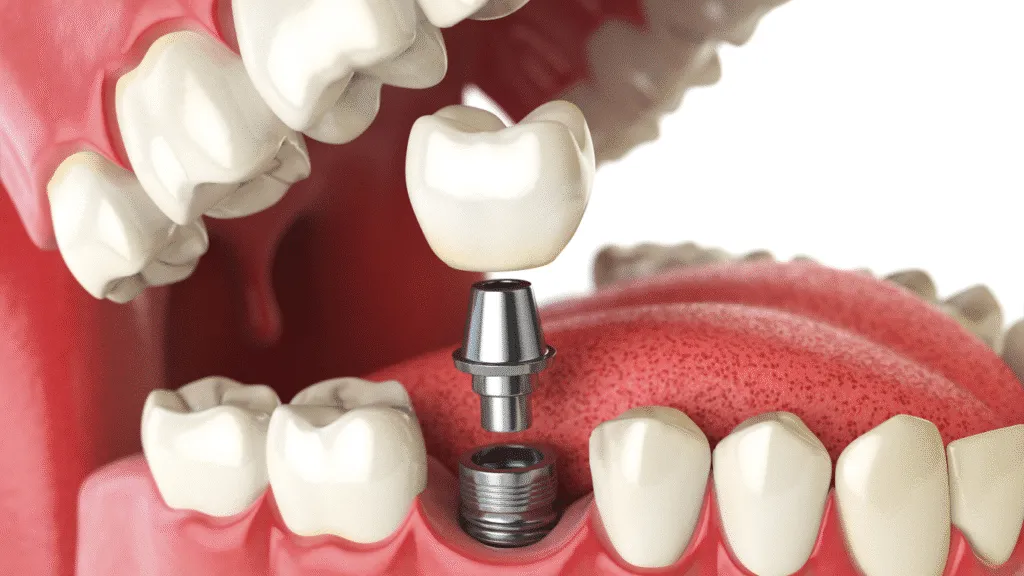
Dental implant surgery can restore your smile and your bite, but recovery takes care and patience. You may feel sore, swollen, or worried about doing something wrong. That stress is common. You are not alone. This guide gives you 6 clear tips so you know what to do from day one. You will learn how to manage pain, protect the implant site, choose safe foods, and keep your mouth clean without harming healing tissue. You will also see when to call your dentist and how to spot early warning signs of trouble. If you are planning Woodbridge dental implants or already had surgery, these steps can help you stay in control. Careful recovery lowers the risk of infection. It also helps your implant fuse with the bone. That means a stronger result and less need for more treatment later.
1. Follow your dentist’s instructions every day
You receive written instructions for a reason. They match your mouth, your health, and your surgery. Treat them as your main guide.
Right after surgery you should:
- Keep the gauze in place as directed
- Bite with gentle pressure to control bleeding
- Avoid spitting, rinsing, or using straws at first
Next you should review your medicine list. Many people take other drugs at home. Some can affect bleeding or healing. If you take blood thinners or have a health condition, confirm with your dentist or doctor how to use those medicines after surgery.
Finally you should keep all follow up visits. Even if you feel fine, your dentist checks the implant, the gum, and your bite to catch small problems before they grow.
2. Manage pain and swelling in a safe way
Pain and swelling often peak in the first 48 to 72 hours. They should slowly ease after that. You can limit both with simple steps.
Use these three tools:
- Medicine. Take pain medicine as prescribed. Do not wait until pain is strong.
- Cold packs. Hold a cold pack on the cheek for 15 minutes on and 15 minutes off during the first day.
- Rest. Keep your head higher than your heart when you lie down. Use extra pillows.
The National Institutes of Health explains how swelling is part of normal healing, but sudden strong swelling or trouble breathing needs urgent care.
Contact your dentist right away if you notice:
- Pain that gets worse after day three
- Swelling on one side that grows fast
- Fever or chills
3. Eat soft foods that protect the implant
Your body needs protein, vitamins, and fluid to heal. You can still get all of that while you protect the implant site.
Choose foods that are soft, cool, and easy to chew on the other side of your mouth. Avoid hot, crunchy, or sticky foods that can pull on stitches or hit the implant.
Examples of safer and riskier foods during early healing
| Meal time | Safer choices | Riskier choices |
|---|---|---|
| Breakfast | Oatmeal, yogurt, scrambled eggs | Toast, bagels, granola |
| Lunch | Mashed potatoes, soft pasta, soup that is warm not hot | Crusty bread, tacos, chips |
| Dinner | Steamed fish, soft rice, cooked vegetables | Steak, raw carrots, nuts |
| Snacks | Applesauce, smoothies eaten with a spoon, cottage cheese | Popcorn, hard candy, chewy candy |
The American Dental Association notes that nutrition supports oral healing.
4. Keep your mouth clean without hurting the site
Cleanliness lowers the risk of infection. At the same time, rough brushing or strong rinsing can disturb the clot and slow healing. You need a balanced plan.
Use this simple routine, unless your dentist gives other rules.
- First 24 hours. Do not rinse. Do not brush around the implant. You can gently brush other teeth.
- After 24 hours. Rinse gently with warm salt water a few times a day. Let the water fall from your mouth instead of spitting hard.
- Brushing. Use a soft brush. Clean nearby teeth with small strokes. Avoid touching stitches.
- No smoking. Smoke harms blood flow and slows healing.
If your dentist gives a special mouth rinse, use it exactly as directed. Do not add extra rinses with alcohol based products. Those can sting and dry the tissue.
5. Protect the implant during daily life
Everyday habits can pull on the healing gum or put force on the implant. Many of these habits happen without thought. You need to notice them and stop them.
Try to avoid:
- Chewing on ice or pens
- Grinding your teeth at night
- Pressing your tongue or fingers on the implant site
If you grind your teeth, ask about a night guard. This can shield your new implant and your other teeth. It can also lower jaw pain and morning headaches.
During sports you should wear a mouthguard once your dentist says it is safe. A hit to the face can damage an implant just like a natural tooth.
6. Know warning signs and when to call
Most people heal without serious problems. Still, trouble can happen. Early action protects your health and your implant.
Call your dentist right away if you notice any of these:
- Bleeding that does not slow after gentle pressure
- Bad taste or pus around the implant
- Implant that feels loose or moves
- Numbness that does not fade
- Strong pain when you bite down light
For severe symptoms such as trouble breathing, trouble swallowing, or swelling that reaches your eye or neck, you should go to an emergency room or call emergency services.
The National Institute of Dental and Craniofacial Research offers clear explanations of mouth infections and other problems. This helps you understand why fast care matters and how it protects long term health.
Moving forward with confidence
Recovery from dental implant surgery is a step by step process. You protect your progress when you:
- Follow instructions
- Control pain and swelling
- Eat soft, nourishing foods
- Keep your mouth clean
- Guard the implant from pressure
- Watch for warning signs
Each small choice supports healing and gives your implant a stronger base. With steady care, you give yourself the best chance for a stable bite and a steady smile that serves you for many years.