Introduction
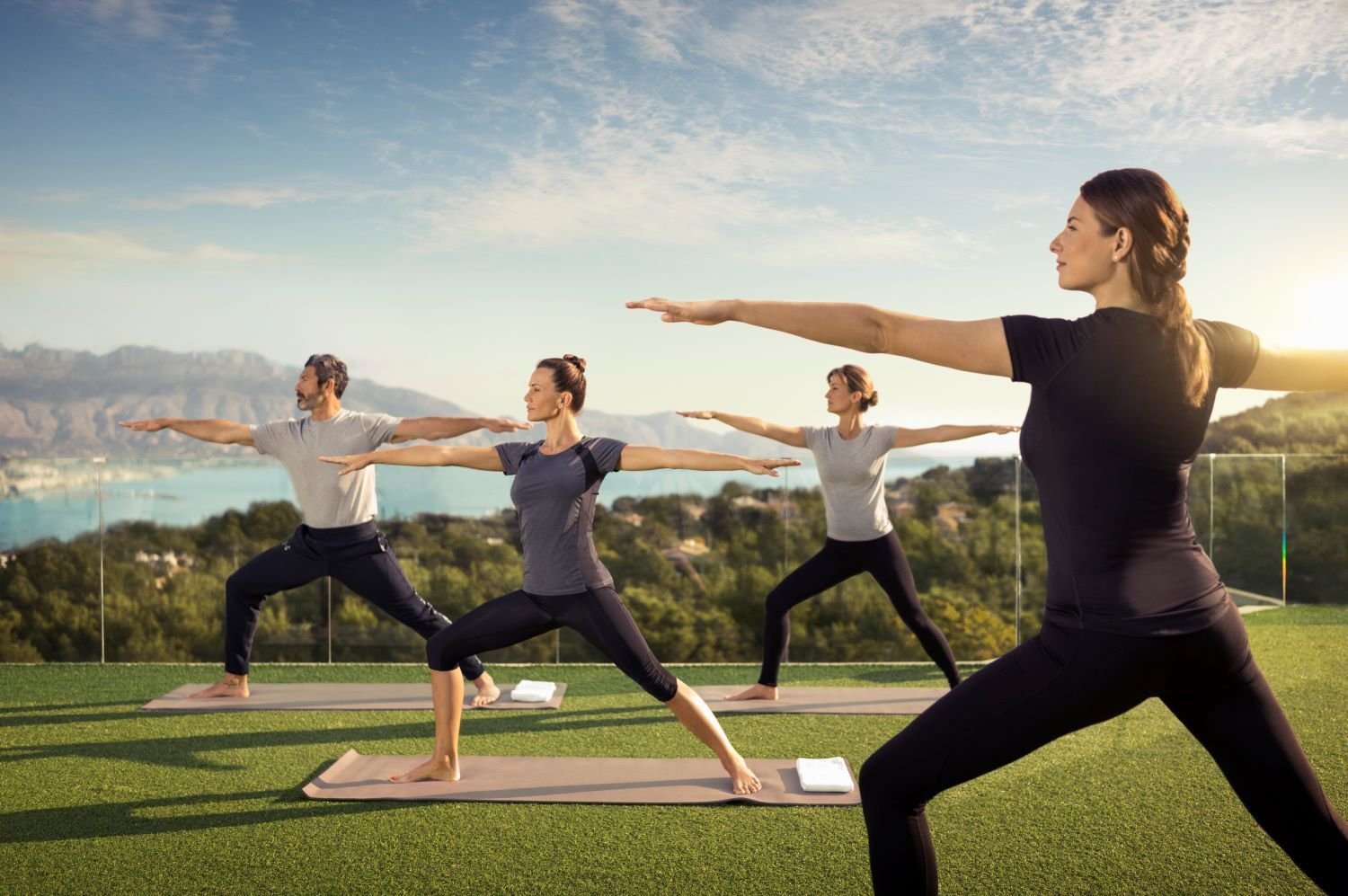
Yoga is more than a physical workout — it is a way of living that connects breath, movement, discipline, and mindfulness. When breath flows in harmony with the body, the mind naturally becomes calmer and more focused. Yoga is not only about stretching muscles; it is about learning how to live with awareness, balance, and inner peace.
Practicing yoga as a lifestyle encourages people to become more conscious of their habits, thoughts, and energy. It influences the way we eat, sleep, move, and respond to stress. Over time, this mindful approach creates a stronger connection between the body, mind, and spirit.
The Layers of Yoga Practice
Yoga offers many levels of practice, from gentle beginner poses to advanced postures that require strength and flexibility. Regular practice of basic poses builds a strong foundation. As your body slowly adapts, each posture becomes more stable and controlled.
Yoga is not meant to be rushed. True progress happens through patience, consistency, and deliberate effort. Each small improvement adds up, helping the body and mind work together more smoothly.
Holistic Benefits of Yoga
Slow, deep breathing activates the relaxation response in the body. It lowers heart rate, reduces stress hormones, and trains the nervous system to handle pressure more effectively. With consistent breathwork, the mind becomes calmer, and emotional resilience improves.
Yoga also gently encourages healthier daily choices. Practitioners often become more aware of hydration, nutrition, posture, and sleep habits. These changes happen naturally because yoga builds a stronger connection with the body’s needs.
Diet, Daily Routine, and Mindful Living
True wellness depends on harmony between the body, mind, and spirit. When one element is out of balance, overall health is affected. Yogic philosophy teaches that prāṇa (life energy) flows through conscious breathing, positive thinking, and mindful living.
A balanced diet plays a crucial role in energy levels, focus, and restful sleep. Eating nourishing foods at regular times helps regulate the body’s rhythms. Paying attention to hunger, fatigue, and emotional signals helps prevent long-term health problems.
Even daily activities, when performed with mindful posture and breathing, become a gentle form of yoga. Over time, yoga becomes more than a mat practice — it becomes a natural way of living.
The History and Evolution of Yoga
Yoga has a rich history that began during the Vedic age, when spiritual rituals and sacred hymns formed the foundation of early yogic practices. Later, Hatha Yoga introduced physical postures and controlled breathing as preparation for meditation. Patanjali’s Yoga Sutras organized yoga into a structured system of philosophy and discipline.
During the 19th and 20th centuries, yoga expanded across the world. New styles such as Hatha, Vinyasa, Yin, and Restorative Yoga were adapted to suit modern lifestyles. Today, yoga is widely practiced in studios, wellness retreats, and online platforms, often combined with nutrition guidance, meditation, and sound healing.
Establishing and Maintaining a Home Yoga Practice
Starting a home yoga practice requires patience and awareness. Moving slowly between poses while staying connected to the breath reduces the risk of injury. Flexibility develops gradually, so it’s important to celebrate small improvements.
Creating a peaceful practice area at home can greatly improve consistency. A yoga mat, soft lighting, a candle, or incense can help create a calming atmosphere. Practicing early in the morning is often recommended, preferably on an empty stomach, to allow the body to move freely.
Allow a minimum of two and a half hours after eating and drink some water about thirty minutes before practice. The ability to construct a home routine improves the ability to listen to your own body, and to be able to ask a teacher when needed.
Wearing comfortable, breathable yoga clothing like the apparel from 4-rth can also support smoother movement and help you stay focused throughout your sessions.
With regular home practice, people naturally develop stronger body awareness and learn when to seek guidance from experienced instructors.
Embracing Challenges and Personal Growth
Yoga is a journey, and every journey includes challenges. Some poses may feel impossible at first, and moments of self-doubt are completely natural. These challenges are not failures — they are part of the growth process.
Many beginners feel inspired to achieve advanced poses like the full split (Spagat). This ambition reflects inner motivation, but such postures require time, preparation, and physical readiness. Real progress happens when you respect your body’s limits while gently encouraging growth.
Conclusion
Living a yogic lifestyle means aligning breath, movement, nutrition, and mindfulness into one balanced system. Research has linked regular yoga practice to improved flexibility, better balance, heart health, and reduced stress levels. Ancient yogic wisdom continues to remind us that true health is supported by a calm, joyful, and aware mind.
Yoga encourages compassion, unity, and self-awareness. When it becomes part of daily life rather than an occasional activity, it creates lasting transformation and deeper well-being.