Removing a tree might seem like a straightforward task to many, but in reality, there’s far more to it than simply chopping wood until it hits the ground. The process involves expertise, environmental considerations, and often legal compliance. Beyond that, when you remove a tree, you’re affecting an ecosystem that may have relied on that tree for years. This makes the topic of tree removal far more complex and thought-provoking than it might initially appear.
Whether prompted by safety concerns, property development, or declining tree health, tree removal is about balancing human needs with nature’s delicate harmony. This blog will look beyond the technical steps of tree removal and explore its environmental, ethical, and legal dimensions.
Why Tree Removal Is Necessary
Trees play an essential role in our lives. They provide shade, fight air pollution, and even boost mental well-being. However, there are situations where tree removal becomes necessary. Here are the primary reasons:
Safety Concerns
Dead or damaged trees pose significant safety risks, especially during storms or high winds. Falling branches or entire trees can damage homes, vehicles, power lines, and even threaten lives.
Example: A study by the USDA Forest Service found that decayed branches are one of the primary contributors to tree-related accidents during storms. Removing such trees can mitigate these risks.
Property Development
Sometimes, a tree can stand in the way of property development or renovations. Whether it’s for a new driveway, an extended patio, or an entirely new building, removing trees is often essential to make space for progress.
Disease Control
A diseased tree can severely affect the surrounding vegetation by spreading pests or fungi. Removing one infected tree could save an entire yard or forest from devastation.
Preventing Infrastructure Damage
Tree roots are notorious for causing damage to underground pipes, walkways, and building foundations. Removing a problematic tree can prevent costly repairs in the future.
Environmental Impact of Tree Removal
Though tree removal is sometimes unavoidable, its environmental side effects warrant considerable attention.
Loss of Habitat
Trees provide shelter for many species of birds, insects, and mammals. Cutting one down could displace dozens, if not hundreds, of creatures.
Did You Know? A single mature oak tree can host up to 500 species of insects, many of which play essential roles in maintaining biodiversity.
Increased Carbon Footprint
Trees are nature’s carbon sinks. They absorb CO2 from the atmosphere and release oxygen. Removing a tree means losing this environmental service until it’s replaced by other vegetation.
Soil Erosion and Water Runoff
Tree roots help to stabilize soil and prevent erosion. Without them, the exposed ground is more susceptible to washing away, potentially leading to water runoff issues and lower soil fertility.
The Need for Eco-Compensatory Practices
To counterbalance the impact of tree removal, eco-compensatory practices like planting replacement trees or creating green spaces can help restore ecological balance.
Legal and Ethical Considerations of Tree Removal
Tree removal often comes with a set of rules and ethical questions. Before you hire someone to do the job or attempt it yourself, it’s important to understand the laws and norms surrounding tree cutting.
Local Permits Are Often Required
Removing a tree is not always as simple as firing up a chainsaw. Many local governments require permits, especially if the tree in question is on public land or is part of a protected species.
The Ethics of Removing Healthy Trees
When do we cross the line between necessary and opportunistic removal? For example, cutting down a healthy tree solely for aesthetic reasons might seem unethical when considering its ecological value. Many communities advocate for the preservation of healthy trees wherever possible.
Mitigating the Impact Through Sustainable Practices
Using sustainable forestry methods, recycling the wood, or donating it to local organizations can reduce the ethical concerns surrounding tree removal.
Professional Tree Removal vs DIY
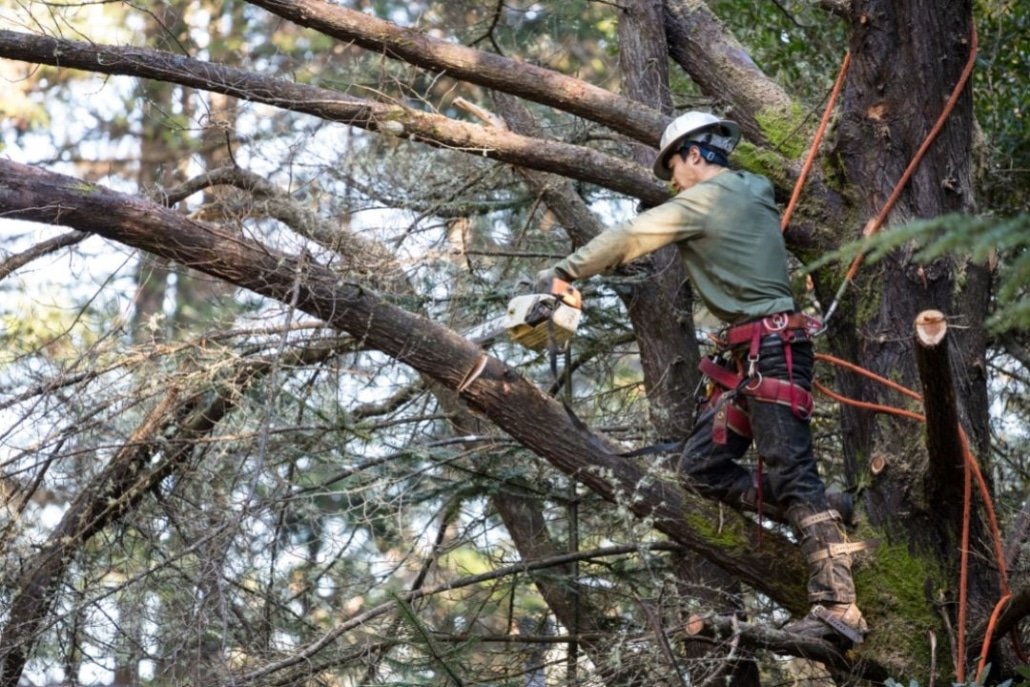
While some might be tempted to remove a tree themselves to save money, it’s generally safer and more efficient to call in professionals. Here’s a comparison of both approaches.
DIY Tree Removal
Pros
- More affordable since you’re not hiring a service.
- Suitable for small trees that pose little to no safety risks.
Cons
- Lack of proper tools and experience can lead to accidents.
- Risk of property damage or personal injury.
- May violate local laws if permits aren’t obtained.
Professional Services
Pros
- Access to specialized equipment for safe and efficient removal.
- Experts can handle hazardous conditions like diseased trees or fragile ecosystems.
- Legal compliance, including managing permit applications.
Cons
- More expensive than DIY.
Interesting Fact: According to Arborists Near Me, professional tree removal costs range between $150 and $1,500 in the U.S., depending on the tree’s size, condition, and location.
The Emotional Side of Tree Removal
It might surprise you to know that many people form emotional attachments to their trees, particularly those with personal or cultural significance. Losing a tree that has stood outside your home for decades can feel like losing a part of your family or history.
If you find yourself hesitant to remove a tree that holds sentimental value, consider alternatives such as transplanting or trimming rather than full removal.
Tree Removal and Community Impact
Tree removal doesn’t just affect individuals; it can also impact entire communities:
1. Urban Heat Islands
Removing too many trees from an urban area can increase localized temperatures, leading to the “urban heat island” effect.
2. Noise Pollution
Trees act as natural sound barriers. Their removal can inadvertently increase noise pollution, particularly in bustling urban environments.
3. Aesthetic Impact
Trees improve curb appeal, and their removal can sometimes decrease property values in the surrounding area.
Protecting the Environment While Removing Trees
Tree removal doesn’t have to mean environmental destruction. Here are some ways to minimize the impact:
- Hire a Certified Arborist: They can assess whether the tree truly needs to be removed or if there are alternative solutions.
- Choose Eco-Friendly Disposal Methods: Turn the removed tree into wood chips, mulch, or even art.
- Replant Strategically: Choose fast-growing, native trees to replace those removed.
- Engage with Your Community: Participate in neighborhood replanting programs to offset the ecological loss.
Pro Tip: Some jurisdictions offer tax incentives for businesses and residents who replace trees or invest in sustainable practices.
Reimagining Tree Removal as a Community Responsibility
Urban landscapes are constantly evolving, and with that evolution comes the need to make difficult choices about green spaces. Tree Removal plays a pivotal role in managing overgrowth, preventing property damage, and maintaining public safety. When handled responsibly, it opens the door to thoughtful replanting, improved biodiversity, and better land use. It’s not just about cutting down trees—it’s about creating space for renewal, progress, and a healthier environment that serves everyone.