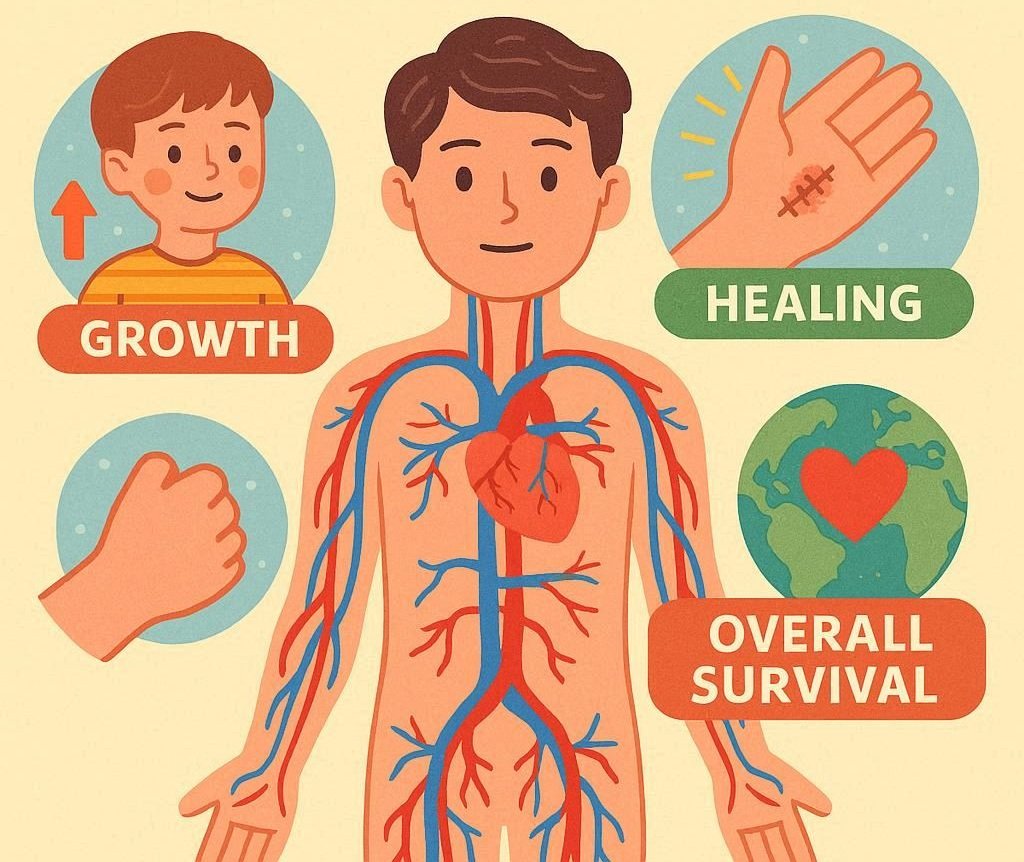
The normal functioning of life is based on the constant flow of blood in the body. At the beginning of the developmental process up to old age, the circulatory system supplies all the cells with oxygen, nutrients, hormones, and immune elements and eliminates the waste products. Lack of this incessant circulation would stop growth, repair of tissues would not occur and survival would be impossible.
The circulatory system does not just constitute a transport network. It is a supporting system of life and enables the body to develop, adapt, recover and respond to internal and external challenges. With the body as a lifelong transformer of the body, the circulation changes to suit the changing needs in infancy, the sustenance needed in adulthood, usability in later years.

This article is holistic in terms of the contribution of the circulatory system to growth, healing and survival. It combines the most important processes of blood circulation and how this system helps the human body to live not only during birth but also during old age.
The Circulatory System in Overview as a Life-Support System
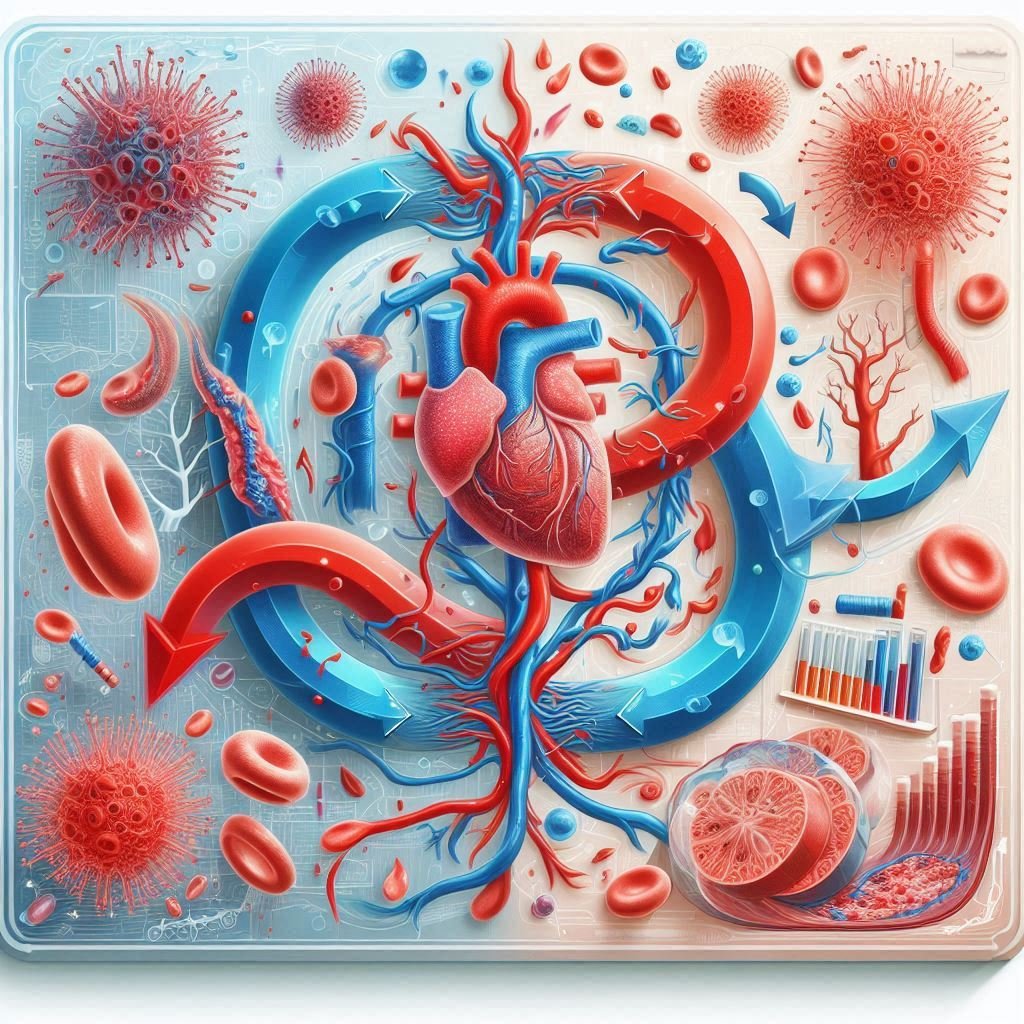
Circulatory system refers to the combination of the heart, blood and blood vessels, which are coordinated to carry with them substances that are necessary to support life. The heart produces the force required to circulate blood via the arteries, veins and capillary making sure that even the farthest cells get their fair share of blood supply.
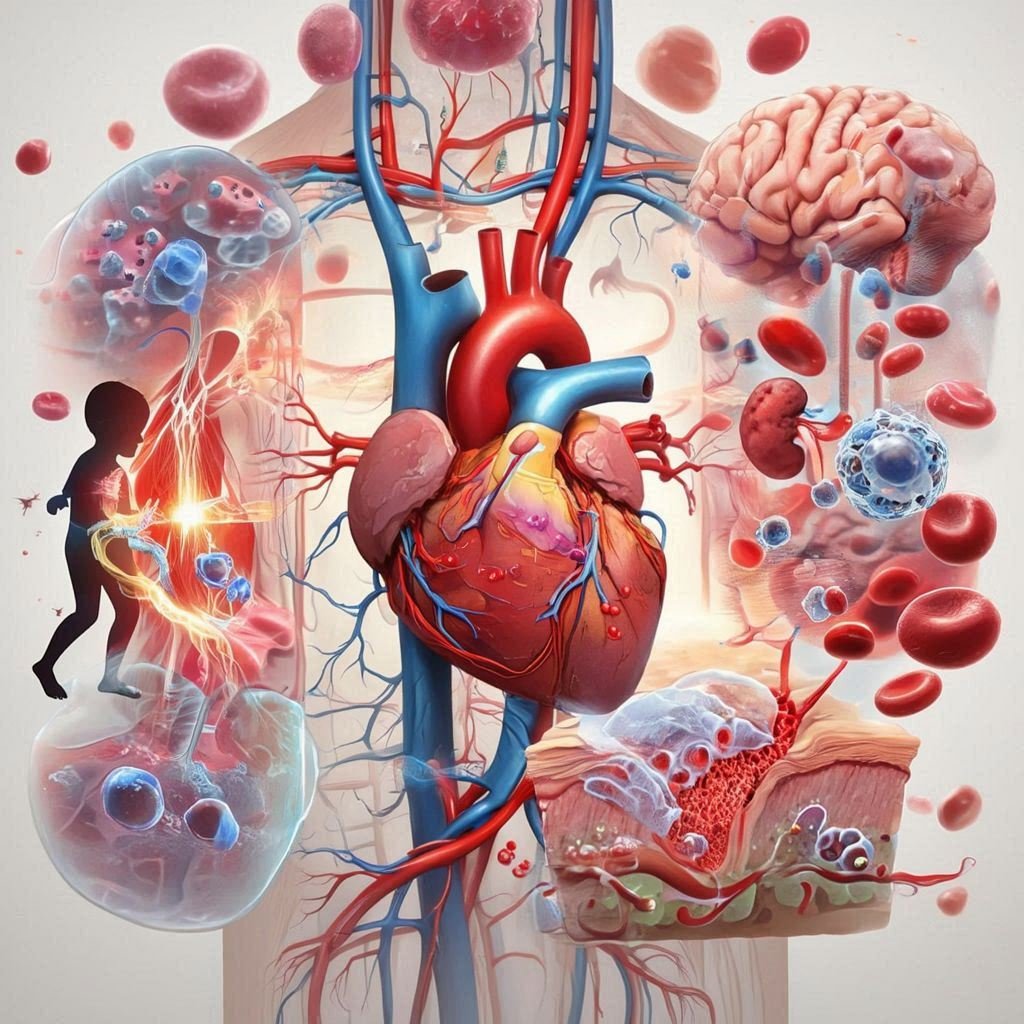
Blood contains oxygen, nutrients, hormones, immune cells, and signalling molecules which become delivered through blood. Simultaneously, it takes away carbon dioxide and metabolic waste in tissues. This perpetual turnover keeps the inside environment of cell survival.
Since all the organs are dependent on circulation, the circulatory system is an integrative system and connects all the physiological systems in a coordinated system.
Circulation and Human Development Since Infancy
Before birth, growth starts and requires an extensive amount of circulation. In fetal development, blood circulation takes oxygen and nutrients of the mother to the growing tissues of the fetus. The fast multiplication of cells and the subsequent development of organisms depends on the constant flow of blood to provide energy and construction components.
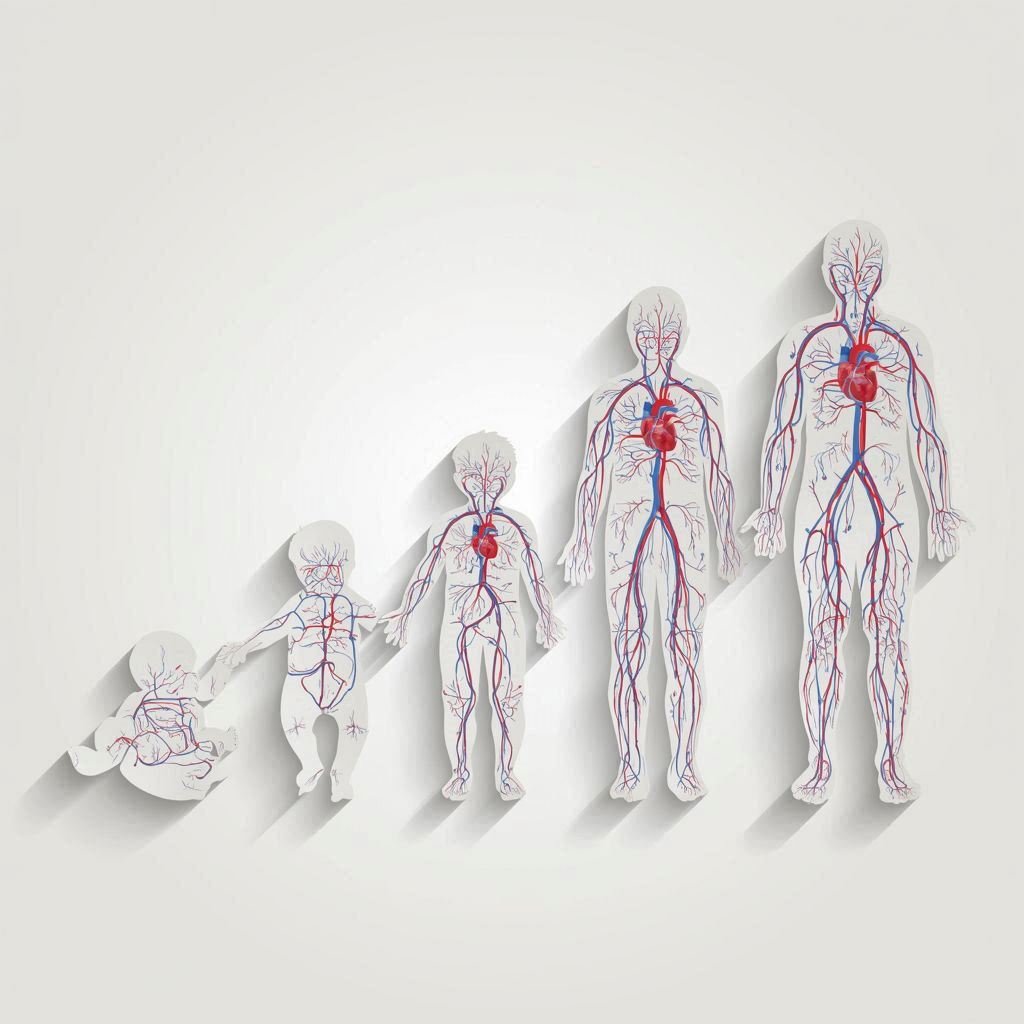
Once a child is born, the circulatory system keeps on supporting the growth by adapting to the growing metabolic needs. Blood flow to active tissues increases as the bones get longer, the muscles become stronger, and the organs are being developed. Amino acids, glucose, and minerals are carried to promote the growth and enlargement of tissues.
Normal physical development and neurological development is impossible without healthy circulation in infancy and childhood.
In Cellular Growth and Tissue Development Role of Blood
The increase takes place at the cellular level. Oxygen is needed to make energy and nutrients to construct structural components by the cells. These substances are constantly supplied to the cells in the blood, which makes the cells divide, differentiate and mature.

Oxygen required in the cells is carried by red blood cells because it is involved in cellular respiration and plasma carries absorbed nutrients in the digestive system. The growth patterns are controlled by hormones that are carried by blood and indicate when the tissues are to grow or remodel.
Cells would become starved without effective circulation and development would stutter and organ functionality would be compromised.
Adolescent Circumstantial Adaptation
Adolescence is characterized by the rapid physical development and hormonal alterations. The circulatory system during this period is adapted to accommodate larger size and activity of the body. The amount of blood in the body swells and the heart becomes more powerful to deal with the needs that arise.

Circulation supports the growth hormones and nutrients to bones and muscles that are going through rapid development. Simultaneously, it promotes the growth of the brain and cognitive maturation due to the sufficient oxygen provision.
These adaptations outline how the circulatory system can be flexible in aiding development at the most vital development stages.
Circulation in the Healing and Repair of Tissues
The process of healing is a complicated process that requires the efficient blood flow. In the case of tissue injury, there is an instant response of circulation that involves increased blood flow to the site of injury. This provides immunity cells, nutrients, and oxygen required in repair.

The blood transfers white blood cells that help to protect against infection, and platelets stimulate the formation of a clot to minimize excessive blood loss. Proteins and growth factors that promote tissue regeneration are transported using plasma.
Good circulation enhances faster healing and reduces the chances of developing complications.
The role of inflammation and Blood Flow in the Healing Process
A natural reaction to injury and infection is inflammation. This process is facilitated by the circulatory system through augmented blood circulation and vessel permeability at the time of injury. This enables the immune cells and repair molecules to exit the blood and invade injured tissues.
Although inflammation is necessary to heal, it should be under control. Distributing also aids in the elimination of the surplus inflammatory by-products after the repair has begun, which reestablishes balance and eliminates chronic inflammation.
To evidence the circulatory system in the controlled healing, this dynamic regulation can take place.
Oxygen and Nutrient Delivery Regeneration
Repairing of tissues needs energy and raw materials. Blood provides glucose, amino acids, fatty acids, vitamins and minerals which are required to replace broken cells. Red blood cells supply oxygen necessary in the generation of energy needed in the regenerative process.
Those organs that have a rich blood supply like skin and muscles have a higher rate of recovery compared to poorly perfused organs. This brings out the direct effect of circulation on the efficiency of healing.
Constant circulation of the blood will keep the repair processes going until the tissue integrity is restored.
Vitality and Défense of Circulation and Immune
The body relies on the capacity to protect itself against infection to survive. Immune activity of the body is concentrated on the circulatory system which transports white blood cells, antibodies and messages in the body.

Via circulation, the immune cells scan the tissues and react swiftly to danger. The circulation of the blood enables the coordination of immune response in various organs, which ensures the localized infections are not transmitted.
The circulation of the blood makes the body more resilient to exposure to toxic microorganisms.
Waste Elimination and Domestic Balance
The elimination of metabolic waste is also necessary in order to survive. Blood takes carbon dioxide to the lungs to be expelled and garbage to kidneys and liver to be eliminated.
This wastes elimination helps avoid toxic buildup that may interfere with the workings of the cells. Circulation fulfills the equilibrium in the chemical condition, which makes conditions in the body stable and allows survival.
One of the most important functions of the circulatory system is the ability to control internal balance that is called homeostasis.
Circulatory Support in Case of Physical Stress
The body requires oxygen and nutrients to generate more energy, which is exerted by physical stress (exercise or illness). The circulatory system becomes more adaptive to increase the heart rate and reallocate the blood flow to active or damaged tissues.
In times of illness, circulation brings immune cells to the areas of attack as well as acting to regulate temperature and heal. It also provides muscles with enough oxygen to keep them active during physical exercise.
The adaptations enable the body to adjust to stress and recuperate.
Circulation Function in Maintenance of Adulthood
During adulthood, the circulatory system is no longer concerned with growth but with maintenance and repair. The circulation of blood assists in the renewing of tissues, organ functioning and metabolic stability.
Everyday tear and wear on tissues demand constant repair that cannot be made without proper blood supply. During the adulthood phase, circulation assists in the brain, hormone distribution and immune surveillance.
Circulatory health should be maintained at this stage to ensure that survival and quality of life are long term.
Function of Aging and Circulatory System
An increasing body age means that blood circulation might decrease because of alterations in cardiac activity and arterioles. Irrespective of such changes, circulation is very critical in maintaining organ activity and self-sufficiency.
The blood still supplies nutrients and eliminates waste albeit at a lower rate. Promoting circulatory health during old age ensures mobility, cognitive and curative ability.
Good circulation is a factor that leads to long life and strength during old age.
Circulation as an Integrative System
The circulatory system brings the growth, healing, and survival together by uniting all the systems of the body. It enables organs to be able to communicate, change responsive, and adapt to the environmental demands.
Circulation allows the body to be in equilibrium and heal damage, as well as sustain ongoing operation. None of the systems possesses an equivalent and pervasive effect on health.
The knowledge gained of this integrative nature elucidates the basis of the importance of circulatory health to life.
Survival and Adaptability in the Long-term
The survival is not just a matter of instant reactions but also of ability to adapt in the long term. The circulatory system helps with the changes in response to the environment: it regulates the circulation of blood and helps the immune memory, and allows the remodelling of tissues.
Such flexibility enables human beings to survive in a dynamic environment, recover after an injury, and contend disease throughout the lifespan.
Circulation is hence key not only to survival but thriving as well.
Conclusion
Circulatory system plays a critical role in the growth, healing and survival in life. Since blood circulation promotes the processes of early development to the ability of repairing tissue, and balancing during adulthood and old age, blood circulation is the foundation of all human health.
The circulatory system allows the body to grow, adapt, heal and survive by aiding the body to carry oxygen, nutrients, immune components and signaling molecules and eliminates waste. Its purpose as a life-support system cannot be overestimated.
The necessity to preserve and save this system as a key to life-long health and survival is rooted in the understanding of the significance of circulation.