Walk into any streetwear meetup right now and you’ll spot at least one or two people wearing a cap with a heavy, almost jewelry-like shine to the front logo. Ask them what it is, and there’s a good chance they’ll say the same thing: Barbas Hats.
A hundred dollars for a cap sounds steep on paper. Fitted caps from mall brands go for twenty, thirty bucks. So what’s actually happening here, and why are people lining up to pay triple or quadruple that for a brand most of them had never heard of two years ago?
It started with one guy and a hustle
Barbas Hats isn’t a brand that came out of a corporate product meeting. It was started by Saul Alejandro Velarde Romero — known to just about everyone now as “Mr. Barbas” — back in August 2022. No big investors, no factory contracts lined up on day one. Just someone in Southern California who wanted to make hats that actually looked and felt different from what was already out there.
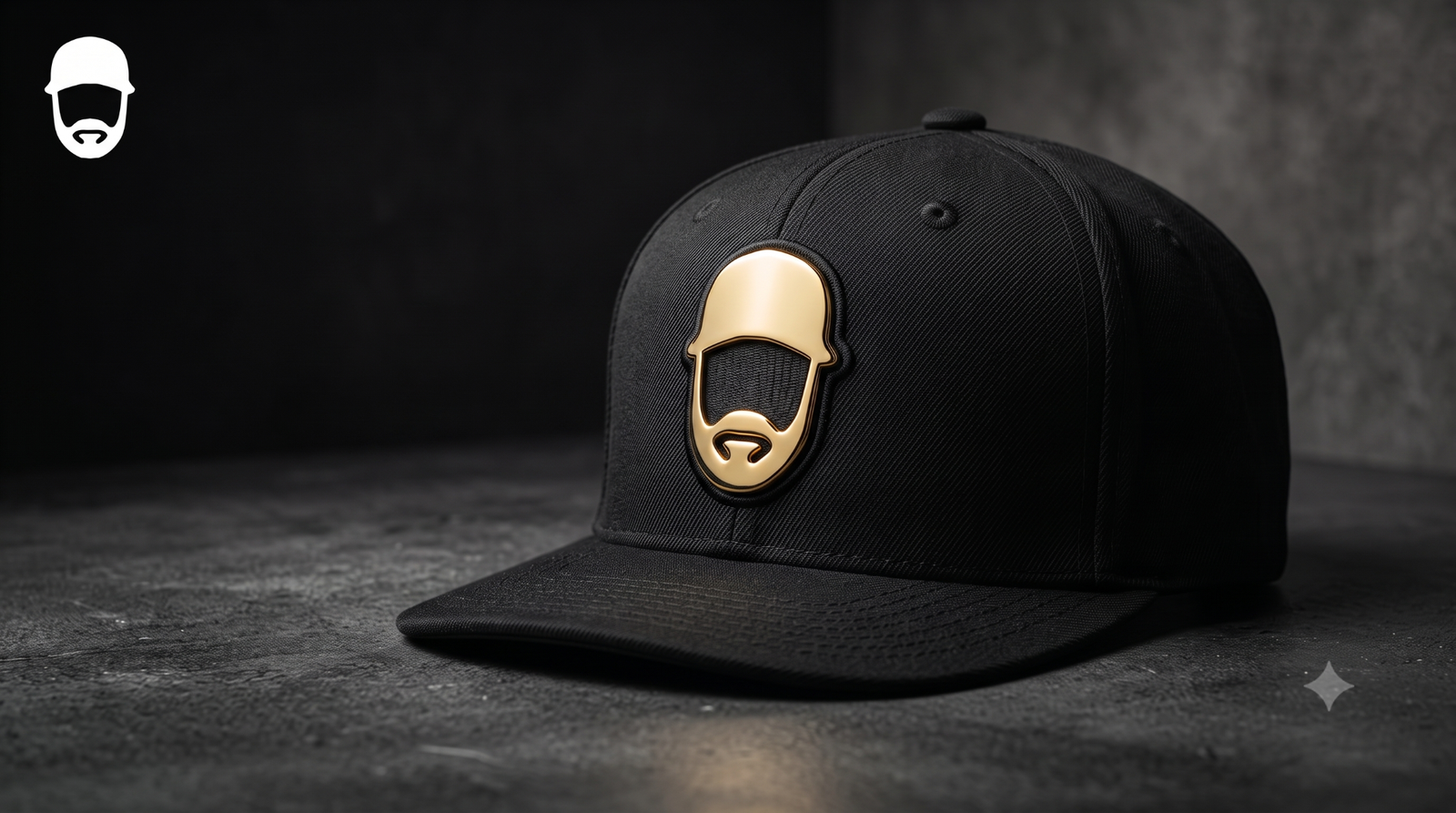
That kind of origin story gets thrown around a lot in streetwear marketing, sure. But the difference here is that it actually shows up in the product. These aren’t caps with a flat printed logo slapped on the front. Every piece leans on 3D embroidery — the raised, textured kind that you can feel with your thumb — paired with details like 24K gold plating and chrome finishes that most $30 caps simply can’t replicate at that price point.
The finish is doing a lot of the talking
If you’ve ever held a cap with actual gold-plated hardware versus one with painted-on gold, you know the difference is obvious within about two seconds. It’s not subtle. Barbas leans hard into this — pieces like the Chrome I Gold Edition aren’t just a color choice, they’re built with real gold plating on the metal accents, which is exactly the kind of detail that photographs well but also just feels right in hand.
That’s a big part of why the price makes sense to the people actually buying these. It’s not really a “logo tax” the way a lot of hyped streetwear is. You’re paying for the plating, the embroidery density, and materials that are meant to hold up rather than fade and crack after a summer of wear.
The collabs didn’t hurt either
Barbas Hats has also built up a name through collaborations with names streetwear and hip-hop fans already recognize — including pieces made alongside Rich the Kid and CT. When a brand’s collab pieces sell out on preorder before general release, that’s usually a decent signal that the appeal isn’t purely a marketing push. People are actually wearing this stuff, posting it, and asking where to get the next drop.
Designs range from bold statement pieces — skulls, crosses, “Chrome” and “Blackout” colorways — to cleaner options for people who want the quality without the loudest possible design. That range is probably part of why the brand has managed to pull in both hardcore streetwear collectors and people who just want one solid cap that doesn’t look like everything else on the rack.
Scarcity plays a role too
A chunk of the Barbas catalog moves through limited drops and preorders rather than a stock that’s always sitting on the shelf. Anyone who’s followed sneaker or streetwear culture knows exactly what that does to demand. When a piece is genuinely limited and not just marketed as “limited,” people move fast, and resale chatter starts almost immediately.
So is it worth it?
That’s obviously a personal call, and $100 isn’t nothing. But when you look at what’s actually going into each cap — real gold plating, dense embroidery work, a brand built from an actual hustle rather than a dropshipping template, and collabs with artists people already follow — it starts to make more sense why the price tag isn’t scaring people off.
Streetwear has always been about more than just covering your head. It’s about wearing something that says you know what you’re looking at. Right now, for a growing number of people, that something is a Barbas Hats.