Key Takeaways:
- Understand the current trends and advancements in welding.
- Learn how modern welding techniques are revolutionizing various industries.
- Discover industry-specific applications and success stories.
Introduction: Welcoming Modern Welding
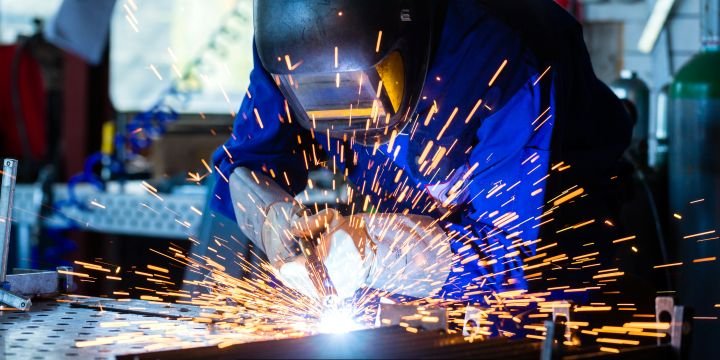
In recent years, the art and science of welding have undergone a remarkable transformation. New techniques and methodologies are reshaping industries’ operations, offering unprecedented precision, efficiency, and versatility. Among these advancements, the process of TIG weld is leading the way, providing versatile and precise solutions. TIG welding, known for its superior control and ability to weld various metals, has become a staple in industries demanding high-quality and clean welds. The impact of these innovations is felt across a wide array of sectors, demonstrating the adaptability and importance of modern welding in driving industrial growth and development.
The Rise of New Welding Technologies
The rise of new welding technologies is not solely about enhancing existing methods but also about creation through innovation. Automation has become crucial in welding, facilitating continuous operations with reduced human intervention. Robotic welding systems have improved safety by handling repetitive tasks, minimizing human exposure to hazardous conditions, and significantly increasing productivity. Additionally, advancements in material technology—such as new welding alloys and high-strength, lightweight materials—have opened up possibilities in design and application. These developments support a future where complexity and difficulty in welding can be tackled with confidence and precision.
Impact on Automotive Manufacturing
The automotive industry is one of the most significant beneficiaries of modern welding techniques. The precision and automation offered by advanced welding technologies, such as laser and friction stir welding, have streamlined manufacturing processes. This has led to improved quality, enhanced safety, and increased production efficiency in vehicle manufacturing. Car manufacturers can now meet consumer demand for recycling and sustainability by producing lighter vehicles through innovative welding methods. These advancements ensure that the automotive sector continues to innovate, driving sustainability and performance improvements.
Aerospace Applications and Innovations
The aerospace industry is synonymous with precision and reliability, and modern welding techniques are pivotal to meeting these high standards. Adopting sophisticated welding solutions, such as electron beam and laser welding, enables the construction of lightweight and robust structures essential for aircraft and spacecraft. These technologies enhance joint strength and reduce imperfections, which are crucial for ensuring the resilience and safety of aerospace components. Moreover, these advancements contribute to more fuel-efficient aircraft, supporting the industry’s sustainability and cost-reduction drive. Integrating these techniques into aerospace manufacturing underscores how critical modern welding is to high-performance and high-safety environments.
Contribution to Sustainable Energy Solutions
Sustainable energy solutions are one of the most critical areas where modern welding techniques significantly impact. Whether constructing wind turbines or solar panel mounting structures, precise and efficient welding is vital to ensuring the reliability and durability of these components. As the world shifts towards renewable energy sources, welding innovations are crucial for reducing production costs and increasing efficiency. This ultimately aids in making renewable energy solutions more economically viable and broadly adopted.
The Role of Welding in Construction
Modern construction projects are increasingly ambitious and complex, requiring welding solutions that offer strength and flexibility. From the towering skyscrapers that define cityscapes to expansive bridges that connect regions, welding is a foundational technology that makes innovative architecture possible. Advanced welding methods allow for the fabrication of complex geometric structures with high-strength materials, ensuring durability and safety. This flexibility enables construction projects to be executed with higher precision and efficiency, ultimately leading to cost savings and improved timelines. The advancements in welding technology are integral to meeting the demands of contemporary architectural and infrastructural designs.
Adapting Welding Skills for the Future
As welding technology continues to evolve, so must the skills of those who wield it. The diversification and sophistication of welding processes require a proficient workforce in traditional techniques and modern innovations. Continuous education and hands-on training are key to ensuring that welders can adapt to new technologies and materials. Professional development programs and certifications are essential in preparing the workforce for these changes, helping welders enhance their skills and fill more specialized roles. This commitment to skill development ensures that industries can remain at the forefront of innovation, leveraging the full potential of modern welding advancements.
Conclusion: The Future is Bright for Welders
The future of welding is luminous, filled with promise and potential as industries continue embracing technological innovations. New welding technologies improve efficiencies, safety, and opportunities across multiple sectors. Welding professionals and manufacturers that adapt to these shifts will find themselves leading the charge in this dynamic landscape, driving progress in everything from automotive and aerospace to renewable energy and construction. As the transformative power of modern welding continues to unfold, it will undoubtedly serve as a cornerstone of industrial advancement, making the future even more exciting for everyone engaged in this field.