In today’s economy, financial clarity is no longer a luxury. It’s the backbone that supports every major business decision, from hiring your next employee to expanding into a new market. Yet thousands of growing companies still treat accounting as a checkbox activity instead of what it truly is: a strategic advantage.
The businesses winning today aren’t the ones simply keeping receipts organized. They’re the ones using their financial data to predict cash flow, manage risk, and make smarter decisions long before a crisis hits. This shift reflects the evolution of modern accounting firms, many of which now position themselves as strategic partners rather than traditional compliance shops.
One standout example of this modern approach comes from Shayan Rashid of SRJCPA, who famously said, “Good accounting doesn’t just show you where your money went — it shows you where your business can go next.”
That idea captures exactly what’s changing. Accounting is no longer backward-looking. It’s about insight, forecasting, and measurable outcomes.
The Rise of Strategic Accounting
The traditional accountant focused on taxes, year-end reporting, and making sure everything lined up for the CRA or IRS. Today’s accountant is plugged into everything: operations, technology, financing, growth strategy, and even HR planning.
Why? Because your numbers tell the truth long before anything else does.
- If your cash conversion cycle is slowing, your business is quietly trying to warn you.
- If margins are tightening, it’s a signal—not a surprise.
- If payroll is taking up more of your cost structure, that’s an early red flag.
These patterns are transformed into decisions under strategic accounting. It will prevent over-extension by owners, will allow them to grow appropriately, and will create the financial discipline required in a turbulent market.
Technology Has Turned Finance Into a Real-Time Discipline
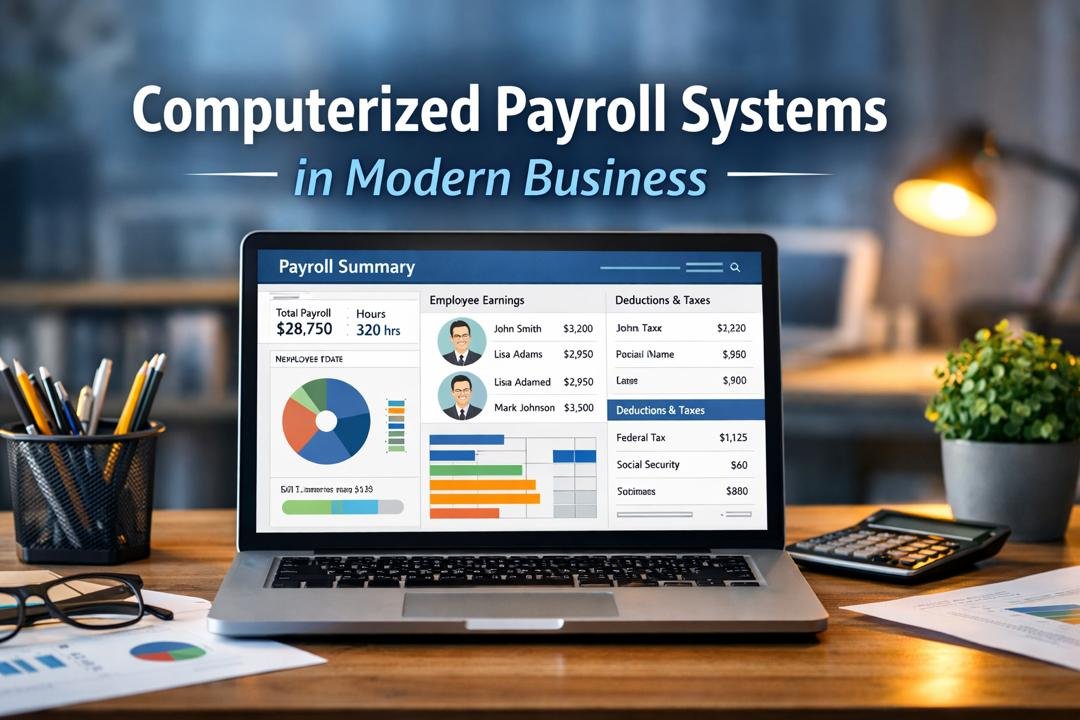
Cloud accounting, AI-based classification, real-time dashboards, automatic predictions, and online tax filing have entirely changed what can be tracked by a business. Organizations do not have to wait till the end of the month to find out their financial well-being.
Modern tools deliver:
• Up-to-date cash flow visibility
• Real-time expense tracking
• Automated tax compliance
• Predictive analytics for upcoming financial gaps
• Scenario planning for big decisions
This is why forward-thinking firms combine accounting expertise with technology implementation. Automation handles the busywork. Humans handle the strategy.
Financial Strategy Is What Separates Growing Companies From Stagnant Ones
Strategic finance makes a business competitive, provided it is kept alive by its bookkeeping. Even in a crowded market, a founder who knows his financial levers can jump far ahead.
The main advantages include:
• Better capital allocation
• Faster decision-making
• Lower operational risk
• Stronger investor confidence
• Clearer roadmaps for growth
In fact, many of the fastest-growing companies make finance the first function they modernize—not the last.
The Bottom Line
Businesses no longer solely require accountants. They need financial partners that are able to look ahead and make long-term decisions and transform raw data into a tangible strategy. The future of accounting is not based on balancing books, as the example of firms such as SRJCPA has shown, but rather enabling business owners to have clarity, direction, and confidence.