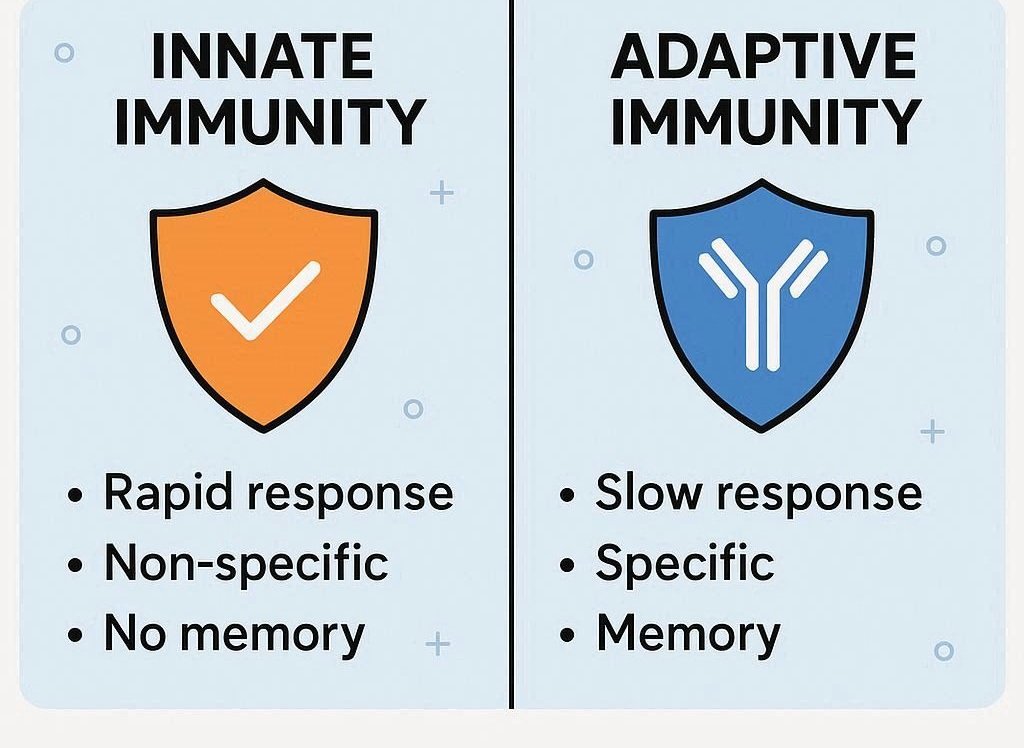
A Level Biology is one of the most rigorous and conceptually demanding subjects offered in pre-university education. With its blend of factual memorization, analytical thinking, and practical lab skills, it’s no wonder many students struggle to keep pace with the syllabus. As pressure mounts from coursework, exams, and university applications, many learners find themselves in need of extra academic support. That’s where an experienced a level biology tutor can make a substantial difference.
This article explores the importance of personalized biology tutoring, the benefits of one-on-one support, and what qualities students and parents should look for in a tutor.
The Challenges of A Level Biology
Whether you’re following the Cambridge International, Edexcel, AQA, or OCR specification, A Level Biology covers a wide range of topics including:
- Cell structure and function
- Biological molecules
- Enzymes and metabolism
- Genetics and evolution
- Immunology and disease
- Ecology and environmental studies
- Plant and animal physiology
These topics are not only content-heavy but often interlinked, requiring students to apply concepts across multiple chapters and even other scientific disciplines. Furthermore, A Level Biology exams assess a student’s ability to evaluate data, conduct experiments, and communicate scientific ideas effectively.
Without additional support, students can quickly become overwhelmed by the volume and depth of information.
The Role of an A Level Biology Tutor
An a level biology tutor can provide the personalized attention and targeted instruction that is often lacking in a standard classroom environment. While school teachers must cater to a group, a private tutor can tailor each session to the unique needs, pace, and goals of an individual student.
Here’s how a tutor can be instrumental in academic success:
1. Clarifying Complex Topics
Concepts like DNA replication, photosynthesis, and immune response can be incredibly complex and confusing. A skilled tutor breaks down these processes using diagrams, real-world analogies, and repetition—making abstract concepts more accessible.
Instead of memorizing facts, students start to understand them, which leads to longer retention and better exam performance.
2. Improving Exam Technique
Knowing the content is one thing, but understanding how to approach exam questions is another. A Level Biology papers often involve:
- Structured questions
- Practical-based assessments
- Data interpretation
- Essay-style answers (in some boards)
An a level biology tutor trains students to spot command words, manage time during the exam, and answer questions according to the examiner’s expectations.
3. Helping with Practical Skills
The practical endorsement component of A Level Biology evaluates students on lab work, including experimental design, data analysis, and evaluation. A tutor with lab experience can help students:
- Understand scientific methodologies
- Prepare for practical assessments
- Review past experiments and outcomes
- Practice critical thinking around error analysis and variables
4. Boosting Confidence and Motivation
Science subjects can be intimidating. Repeated struggles in understanding content or failing to get good grades can demoralize students. One-on-one tutoring creates a supportive environment where students feel comfortable asking questions and expressing their concerns. Over time, this boosts their academic confidence.
What to Look for in an A Level Biology Tutor
Finding the right a level biology tutor requires more than choosing someone with a biology degree. Consider the following qualities:
1. Familiarity with A Level Syllabi
Whether it’s AQA, OCR, or Cambridge International, tutors must know the ins and outs of the specific curriculum the student is following. This includes:
- Understanding assessment objectives
- Knowing the weighting of topics
- Being up to date with syllabus changes
- Familiarity with mark schemes and examiners’ reports
2. Strong Communication Skills
Tutors must be able to explain scientific content in clear, concise, and engaging ways. They should adapt their teaching style to suit different learning types—visual, auditory, or kinesthetic.
3. Passion for Biology
An enthusiastic tutor brings biology to life. Whether it’s the marvel of how neurons fire or how ecosystems maintain balance, a tutor’s passion can be contagious, sparking curiosity and deeper learning in their students.
4. Patience and Empathy
Struggling students don’t need someone to remind them of their mistakes—they need support and encouragement. A tutor who is patient and empathetic creates a safe learning space where students can grow.
Online vs. In-Person Tutoring: Which is Better?
When comparing online and in-person tutoring, the best option often depends on a student’s individual learning style and needs. In-person sessions can provide a more traditional, face-to-face learning environment, while virtual lessons offer greater flexibility and access to a wider range of educators. Many students preparing for advanced exams now turn to an a level online tutor, benefiting from personalized guidance without the constraints of location.
Online Tutoring Pros:
- Greater accessibility to global tutors
- Flexible scheduling
- Access to digital resources (whiteboards, recordings, quizzes)
- Suitable for remote areas
In-Person Tutoring Pros:
- Physical presence can enhance focus
- Easier demonstration of practical tasks
- Better rapport through real-time interaction
- Ideal for students who struggle with screen fatigue
Ultimately, the effectiveness of tutoring depends more on the tutor’s ability than the medium used.
Success Stories and Case Studies
Many A Level Biology students have transformed their academic journey through private tutoring. For instance:
“Before hiring a tutor, I was getting Cs in biology. With regular sessions focusing on topics like genetic engineering and cell division, I scored an A in my final exams. The one-on-one time made a big difference.” – Amy, Year 13 student
“My son always had an interest in medicine but lacked direction. A biology tutor helped him not only score high grades but also guided his university application for biomedical science.” – Parent testimonial
These cases highlight how academic performance and future prospects can improve with timely tutoring support.
How to Make the Most of Your Tutoring Sessions
Here are a few tips to maximize the benefits of your a level biology tutor:
- Come prepared with questions and topics you’re struggling with
- Review the tutor’s notes and feedback after each session
- Take regular practice tests under timed conditions
- Maintain a biology-specific notebook for diagrams, key terms, and formulas
- Communicate your learning goals and upcoming school assessments
Final Thoughts
A Level Biology is both fascinating and challenging. With intense competition for university spots—especially in medicine, dentistry, and veterinary science—students must perform at their best. An expert a level biology tutor not only improves understanding but also builds the confidence, exam technique, and critical thinking required to succeed.
Whether your goal is to move from a B to an A*, catch up on missed content, or simply build a deeper appreciation for the subject, personalized biology tutoring could be your key to academic excellence.