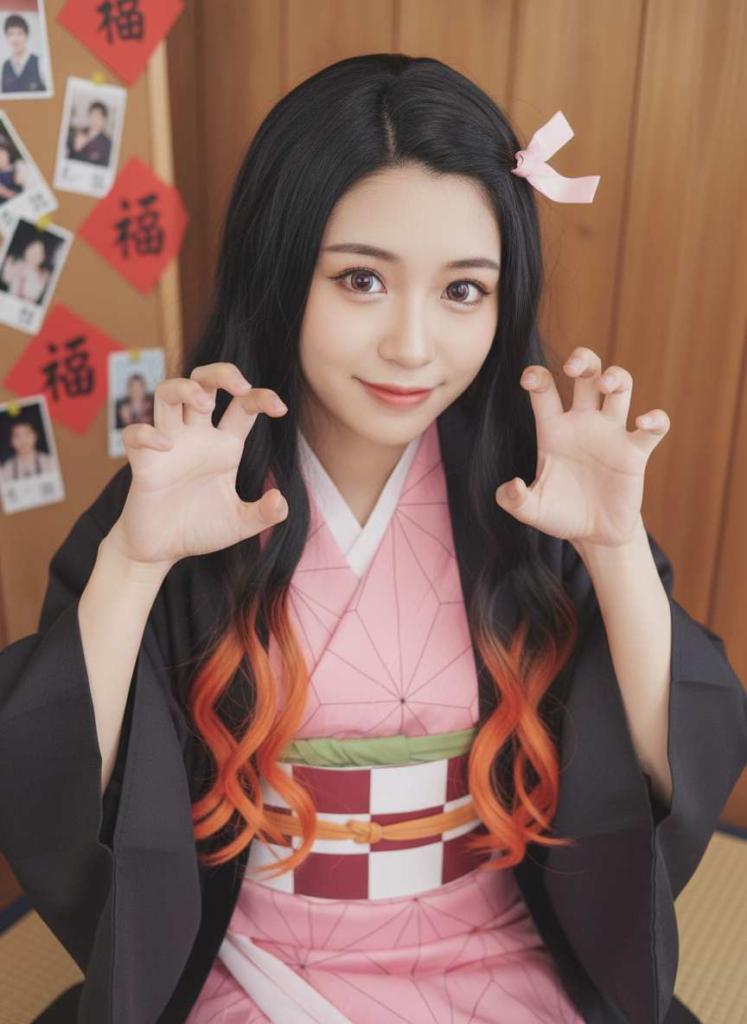
Artificial intelligence has transformed digital creativity at an unprecedented pace. What started as experimental tools for generating simple images has evolved into sophisticated platforms capable of producing professional-grade visuals in minutes. As AI technology matures, one clear trend is emerging: all-in-one AI image generators are rapidly replacing single-purpose AI tools.
This shift is not accidental. It reflects deeper changes in how creators, marketers, and businesses work. Speed, flexibility, consistency, and scalability have become essential, and fragmented workflows no longer meet modern demands. In this article, we explore why all-in-one AI image generators are becoming the new standard, how they outperform isolated tools, and what this evolution means for the future of visual content creation.
The Early Era of Single-Purpose AI Tools
In the early days of AI image generation, most tools focused on one specific function. Some specialized in text-to-image generation, others in style transfer, and a few in basic image editing. These tools were impressive for their time, demonstrating that machines could generate visuals based on human input.
However, early adoption also revealed significant limitations. Single-purpose tools often lacked consistency, offered limited creative control, and required users to rely on multiple platforms to complete a single project. Generating an image was one step, editing it was another, and refining variations required yet another tool.
As long as AI image generation was experimental, these limitations were acceptable. But as businesses and creators began to depend on AI for real production work, inefficiencies became impossible to ignore.
Why Fragmented Workflows No Longer Work
Modern content creation demands speed and precision. Marketing teams run continuous campaigns. E-commerce brands update product visuals regularly. Social media creators need fresh visuals daily. In this environment, switching between multiple tools slows everything down.
Fragmented workflows introduce several problems:
- Increased time spent exporting and importing files
- Inconsistent visual styles across tools
- Higher costs due to multiple subscriptions
- Steeper learning curves for teams
- Reduced creative momentum
Single-purpose tools were never designed to support end-to-end workflows. As expectations increased, users began seeking platforms that could do more than just generate an image.
The Rise of All-in-One AI Image Generators
All-in-one AI image generators emerged as a response to these challenges. Instead of offering one isolated feature, these platforms integrate multiple capabilities into a single environment. Image generation, editing, refinement, prompt control, and creative exploration all happen in one place.
This approach mirrors how professionals actually work. Designers do not create images in isolation; they refine, iterate, compare, and adjust. All-in-one platforms are built to support this reality.
An advanced AI Image Generator should function as a creative workspace rather than a one-click novelty. Platforms that embrace this philosophy are redefining what AI tools can offer.
Multi-Model Integration: A Major Advantage
One of the biggest strengths of all-in-one platforms is multi-model support. Instead of relying on a single AI engine, these platforms aggregate multiple advanced image generation models.
Each model has its strengths. Some excel at realism, others at artistic styles, and some at precise editing. By offering access to multiple models, all-in-one platforms give users the freedom to choose the best approach for each project.
This flexibility is impossible with single-purpose tools, which lock users into one model and one style. In contrast, all-in-one platforms adapt to diverse creative needs.
Creative Control and Prompt Flexibility
Prompt quality has become one of the most important factors in AI image generation. Advanced platforms recognize this and provide tools that help users refine and control prompts more effectively.
All-in-one AI image generators often include:
- Structured prompt inputs
- Style and lighting guidance
- Iterative refinement options
- Inspiration libraries
These features allow users to experiment without losing consistency. Single-purpose tools rarely offer this level of control, making them less suitable for professional use.
Image Editing and Refinement in One Workflow
Image generation is only the beginning. Professional visuals often require refinement, adjustments, and enhancements. All-in-one platforms integrate editing tools directly into the generation workflow.
This eliminates the need to export images to third-party editors, saving time and reducing friction. Users can make adjustments, generate variations, and finalize visuals without leaving the platform.
For businesses and creators working at scale, this integrated approach is a major productivity boost.
Consistency and Branding at Scale
Brand consistency is a critical concern for businesses. Visuals must align with brand identity across websites, ads, and social media. Single-purpose tools often struggle to maintain consistency, especially when switching between platforms.
All-in-one AI image generators address this issue by allowing users to maintain consistent styles, prompts, and visual parameters. Over time, teams develop repeatable workflows that ensure cohesive branding across all outputs.
This level of control is essential for long-term content strategies and is a key reason why businesses prefer integrated platforms.
Cost Efficiency and Subscription Simplification
Using multiple AI tools often means managing multiple subscriptions. This increases costs and complicates budgeting. All-in-one platforms consolidate functionality into a single subscription, offering better value and simpler management.
For startups and growing teams, this cost efficiency can be a deciding factor. Instead of paying for several tools that partially overlap, users invest in one platform that covers all creative needs.
Use Cases Driving the Shift to All-in-One Platforms
E-Commerce and Product Marketing
E-commerce brands need product images, lifestyle visuals, promotional banners, and seasonal creatives. All-in-one platforms allow teams to handle all of this from one place, reducing production time and improving consistency.
Digital Marketing Campaigns
Marketing teams run fast-paced campaigns that require constant iteration. Integrated AI platforms enable rapid testing, refinement, and deployment of visuals without bottlenecks.
Content Creators and Influencers
Creators need flexibility and originality. All-in-one tools allow experimentation with styles, moods, and formats while maintaining efficiency.
Agencies and Creative Teams
Agencies manage multiple clients with different visual requirements. Multi-model platforms allow teams to adapt quickly without juggling multiple tools.
iMini AI as an Example of the All-in-One Approach
The shift toward all-in-one AI platforms is best understood through real-world examples. iMini AI represents this new generation of integrated creative tools by combining multiple advanced AI image models, editing workflows, and creative inspiration into a single ecosystem.
Instead of forcing users to rely on one generation style, it provides flexibility, experimentation, and refinement within one interface. This approach aligns with how modern creators and businesses work, making it easier to scale visual production without sacrificing quality.
Platforms like this illustrate why the market is moving away from isolated tools and toward comprehensive AI environments.
Productivity Gains That Go Beyond Images
All-in-one AI platforms are not just about better images; they are about better workflows. By reducing friction, minimizing tool switching, and supporting iteration, these platforms unlock significant productivity gains.
Users spend less time managing software and more time focusing on strategy, storytelling, and creative direction. This shift has long-term benefits for both individuals and organizations.
The Future of AI Image Generation
Looking ahead to 2026 and beyond, the trend toward integration will only accelerate. As AI models become more powerful, users will expect platforms to offer complete creative environments rather than isolated features.
The most successful platforms will be those that:
- Support multiple AI models
- Offer deep prompt control
- Integrate editing and refinement
- Scale with user needs
Single-purpose tools may still exist for niche use cases, but they will no longer define the mainstream AI image generation landscape.
Why This Shift Matters for Creators and Businesses
The transition to all-in-one AI image generators represents a fundamental change in how visual content is created. It empowers users to work faster, smarter, and with greater creative confidence.
For businesses, this means more efficient campaigns and stronger branding. For creators, it means more freedom to experiment and iterate. For the industry as a whole, it signals a move toward mature, production-ready AI tools.
Final Thoughts
All-in-one AI image generators are not just replacing single-purpose tools; they are redefining what AI creativity looks like. By combining multiple models, integrated workflows, and creative control into one platform, they address the real needs of modern users.
As visual content continues to dominate digital communication, platforms that support end-to-end creativity will lead the future. Adopting an integrated AI Image Generator is no longer a convenience—it is a strategic advantage.
