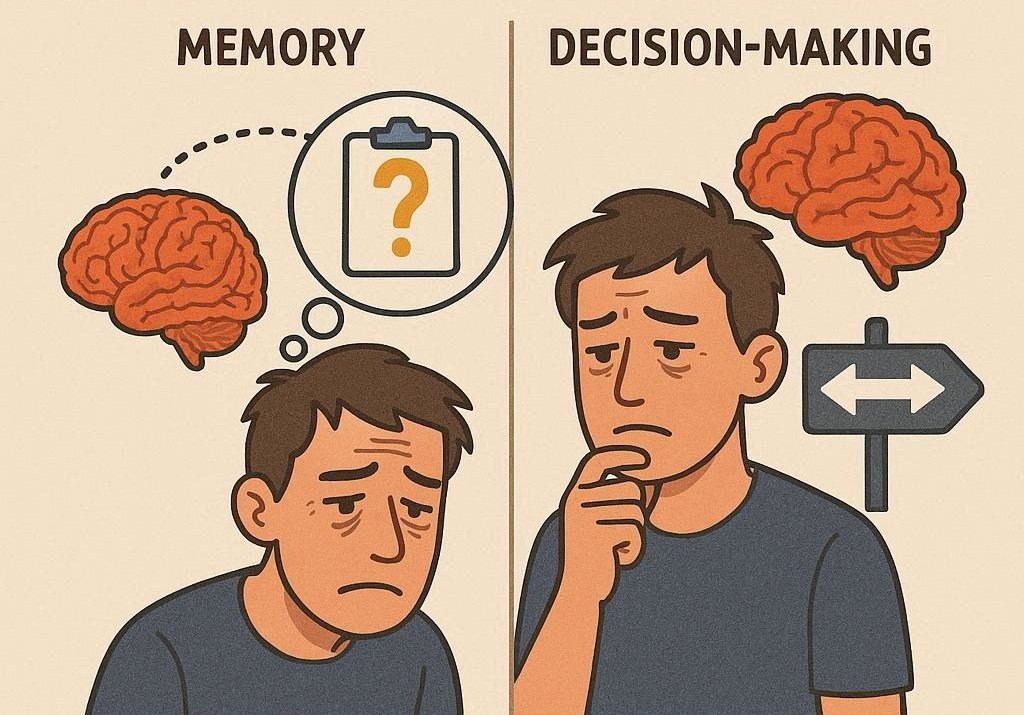
Iron is among the most important minerals to the health of human beings. It is the core of the blood production of hemoglobin, which is red blood cell protein that carries oxygen to all parts of the body. A lack of iron can cause individuals to feel fatigued, weak, unable to concentrate well and even suffer anemia. Although diet may be the center of iron discourse, lifestyle (and particularly caffeine intake) can also be a prominent factor in iron absorption.
A discussion that warrants increased attention is the caffeine-iron interaction, especially since coffee, tea, and other caffeinated drinks are daily consumed by billions of people all over the world. Studies indicate that caffeine itself might not have a direct antimony effect on iron absorption but that there are compounds in caffeinated beverages that can effectively decrease the non-heme iron absorption capacity of the body (non-heme iron is the one present in plant foods). Time of taking caffeine in respect to eating also counts.
Moderate intake of caffeine might not be of serious risk to most individuals. However, some groups are more susceptible and need to pay particular attention to the effect that the practice of caffeine may have on their iron status. This guide explains how coffee and caffeine affect iron absorption but here we will concentrate on who is the most susceptible and what they can practically do about it.
Learning about the Caffeine-Iron Interaction
To have a feel of why certain population groups are more susceptible, it is helpful to have a feel of how caffeine and its related substances influence the absorption of iron.
- Heme vs. Non-Heme Iron:
Hemoglobin (Meat, poultry, fish) is also readily absorbed and caffeine does not affect its absorption much.
Nondemean (found in plant foods beans, spinach and fortified cereals) is not absorbed so readily and is more susceptible to inhibitors like tannins in tea and coffee.
- Timing: The absorption of non-heme iron may decrease by 60-70 percent when consumed with meals and coffee or tea. But when these drinks are taken one hour before or after meals, the effect is reduced greatly.
- Moderation vs. Excess: One cup of coffee per day can have an insignificant impact on the majority of healthy adults, but even regular and excessive caffeine consumption, in combination with iron-rich foods, can be a significant cause of iron deficiency.
These principles are applicable to all people, however, some population groups are vulnerable to iron deficiency because of body requirements or nutrition.
Women of Childbearing Age
Why They’re at Risk
The iron deficiency is especially predisposed in women of ages 15 to 49 because of menstrual blood loss per month. Pregnancy also increases the iron requirement of the body because it has to provide oxygen to the mother and the baby. When caffeine consumption disrupts the iron absorption, the chances of deficiency status get even higher.
Key Concerns
- Increased daily iron needs (18mg/day in women vs. 8mg/day in men).
- Greater susceptibility of pregnancy, when iron requirements almost double.
- There may be a possible interaction of the high consumption of caffeine with foods rich in iron, which slows absorption.
Tips for Protection
- Limit the use of coffee and tea with meals, prefer to have them at least one hour prior or after meals.
- Enhance consumption of vitamin C rich foods (citrus, berries, bell peppers) with iron containing meals to enhance absorption.
- Eat caffeine-free snacks with iron like nuts, dried fruits and lean meat between caffeine consumption.
- In case of pregnancy, abide by healthcare provider advice to keep caffeine and iron supplements within range.
Children and Adolescents
Why They’re at Risk
The high rate of growth during childhood and adolescence enhances the body requirement of iron. Meanwhile, adolescents tend to take a diet with a high number of snacks and processed food but limited in the amount of iron-containing meals. The size of the market of caffeinated soft drinks and energy drinks only adds to the problem.
Key Concerns
- The large intake of soda and energy drinks lowers the intake of iron rich foods.
- The early consumption of coffee and tea has the ability to decreased iron absorption in the most important growth years.
- Menstruation presents even more risks to adolescent girls.
Tips for Protection
- Promote water, milk or 100 percent fruit juice in place of caffeinated drinks among children.
- In case teens are drinking coffee or tea, make it a between-meal drink, not a during meal.
- Eat more iron-rich foods including lean meats, beans, eggs and fortified cereals.
- Awareness of the benefits of using energy drinks in balance with nutritional requirement among teens should be promoted to prevent health implications in the long run.
Athletes
Why They’re at Risk
Sportspeople, especially endurance athletes, have a special set of challenges as far as iron is concerned. Strenuous exercises elevate the need of oxygen in the body and consequently, iron. Moreover, iron loss may be brought about by the sweating process, micro-bleeding in the gastrointestinal tract, and in women, menstruation.
Coffee is also believed to have performance-enhancing effects to many athletes, particularly during pre-workout. This causes a possible conflict where the caffeine may conflict with the uptake of iron-rich diets taken to restore energy.
Key Concerns
- Increased iron turnover as a result of physical activity.
- Regular use of caffeine to improve performance.
- Some plant based diets in athletes augment non-heme iron dependence.
Tips for Protection
- Separate caffeine and iron: take coffee prior to a workout and then an iron-rich recovery meal immediately after a workout without caffeine for at least an hour.
- Combine iron sources with vitamin C (e.g. lentils and tomatoes or spinach and strawberries) to improve absorption.
- Check the level of iron in the blood every so often through blood tests, particularly when the training is intensive.
- In the case of athletes who are vegetarian or vegan, it can be wise to take iron supplements, however, with the consultation of the professional.
Vegetarians and Vegans
Why They’re at Risk
Vegetarian and vegan diets tend to be deficient in heme iron, so vegetarians use mainly non-heme iron. This form of iron is less bioavailable in the first place and when combined with regular tea, coffee or even cocoa, the absorption may decrease even more.
Key Concerns
- Use of non-heme sources of iron.
- Increased consumption of iron inhibitors like phytates (whole grains, legumes) and polyphenols (tea / coffee).
- This may cause inadequate total iron consumption due to the possible absence of planning the diet.
Tips for Protection
- Do not take coffee or tea between meals.
- Paring of beef with iron-rich foods(beans, lentils, tofu, spinach) and vitamin C-rich foods(orange, strawberry) enhance better absorption.
- Cooking techniques, which inhibit, should be avoided, e.g. soaking legumes and grains or fermenting.
- Take iron supplements or fortified plant-based products in case there is a lack of dietary consumption.
Other At-Risk Populations
Although most commonly it is women,children, athletes, and vegetarians/vegans, it can happen to anyone:
- Older Adults: Aging decreases the level of stomach acid and long-term use of medications may interfere with iron absorption. This can be the cause of deficiency when coupled with the daily tea or coffee practices.
- Patients with Chronic Diseases: Chronic diseases such as inflammatory bowel disease, celiac disease or kidney diseases may either decrease iron absorption or increase losses.
- Regular Blood Donor: With consistent blood donations, iron stores are depleted and when combined with excessive caffeine intake this could put one at further risk of deficiency.
Practical Guidelines to Everybody.
Although you may not be one of these vulnerable populations, it is prudent to think simple measures of how to balance caffeine pleasure and iron health:
- Watch the Time: Caffeinated beverages should be avoided at or right after meals.
- Combine with Vitamin C: When eating iron-rich meals, it is always good to take iron-rich foods combined with vitamin C.
- Balance Iron Sources: Balance the intake of heme and non-heme iron sources (meat, fish, poultry and beans, leafy greens, fortified grains).
- Be Moderate with Caffeine: Stick to the recommended daily limits of caffeine (400 mg a day in adults, less in teens and pregnant women).
- Have Checks Routinely: In case you belong to a high-risk group, request your doctor to check your iron level during regular checkups.
Conclusion
The interaction of caffeine and Iron is not the reason to abandon coffee, tea, and other favorite caffeinated beverages completely. In the case of most healthy adults, taking caffeine in moderation and with due care on timing will not be a significant problem. But there are some population groups who are particularly susceptible (high levels of iron, or non-heme sources of iron): women of childbearing age, children, athletes, and vegetarians/ vegans.
With awareness of these dangers, and by making minor, yet powerful lifestyle modifications, one can keep the levels of iron normal without losing the comfort, concentration, and pleasure that caffeine provides. The trick-of-the-trade is to be aware, have balance and to adopt habits which are individually appropriate to your nutritional requirements.