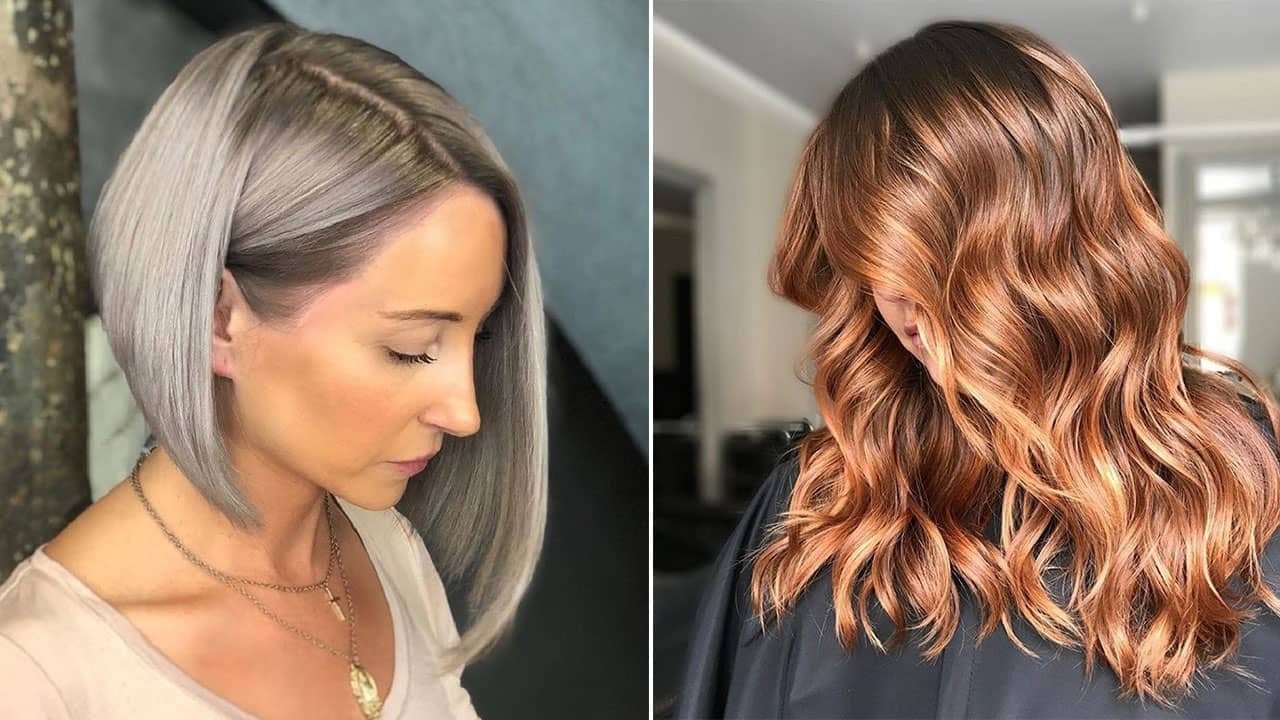
Changing a hairstyle can feel like a fresh start and a powerful way to update personal style. Hair plays a major role in everyday appearance, influencing confidence at work, social events, and even casual outings. However, a dramatic cut or color that looks great in a photo may not always suit daily routines or hair type. Practical considerations such as maintenance, styling time, and long-term cost are just as important as trends. Taking time to evaluate these factors helps prevent regret and ensures satisfaction after leaving the salon. Careful planning leads to better results, and in this article, the most important points to think about before making a hairstyle change are explained clearly and practically.
1. Face Shape & Features
Determine Your Face Shape
Understanding face shape provides a strong foundation for choosing a flattering hairstyle. Common categories include oval, round, square, heart, and long, each with different proportions. Simple observations, such as the width of the forehead compared to the jawline, can help identify the general shape. Pulling hair back and looking in a mirror often makes facial outlines easier to see. This step matters because certain styles balance features while others may exaggerate them. Knowing face shape helps narrow down options and makes salon consultations more focused and productive.
Choose a Flattering Cut
A well-chosen haircut can highlight favorite features and soften areas that feel less balanced. For example, layered cuts can add movement around the face, while longer styles can visually lengthen rounder shapes. Bangs may draw attention to the eyes, but their length and thickness should match forehead height and hair density. Jaw-length cuts can emphasize strong jawlines, which may be desirable or not depending on personal preference. The goal is not to hide natural features but to create harmony and proportion. A flattering cut often looks effortless because it works with facial structure rather than against it.
2. Hair Texture & Type
Work With Your Natural Texture
Hair texture, whether straight, wavy, curly, or coily, strongly influences how a style will look day to day. Choosing a cut that cooperates with natural movement reduces the need for constant heat styling. For instance, heavy blunt cuts may weigh down fine hair but can help thick hair look more controlled. Curly hair often benefits from layered shaping that prevents a triangular or bulky appearance. Fighting natural texture usually leads to frustration and extra damage over time. Embracing how hair naturally behaves makes styling easier and results more consistent.
Consider Daily Styling Effort
Some hairstyles require only quick brushing, while others demand daily blow-drying, straightening, or curling. Time available each morning should realistically guide the decision. A style that looks great only after 30 minutes of work may become stressful during busy weekdays. Humidity, climate, and seasonal changes can also affect how long a style holds. Low-maintenance cuts are often better suited for people with packed schedules. Considering daily effort in advance prevents choosing a style that feels like a chore.
3. Lifestyle & Routine
Match Hair to Your Daily Life
Lifestyle plays a surprisingly large role in hairstyle satisfaction. People who exercise frequently may prefer lengths that tie back easily. Those who spend time outdoors might need styles that handle wind, sun, and humidity well. Parents of young children often appreciate cuts that stay out of the face and require minimal upkeep. Long hair can look beautiful but may feel inconvenient during active routines. A hairstyle that fits daily life tends to remain enjoyable long after the initial salon visit.
Consider Job and Activity Needs
Work environments sometimes influence how practical certain hairstyles are. Jobs that require protective headgear or uniforms may limit very long or voluminous styles. Professional settings might call for neat, polished looks that are easy to maintain throughout the day. On the other hand, creative fields often allow more freedom with bold cuts or colors. Hobbies such as swimming or cycling can also affect how well a style holds up. Thinking about these factors helps ensure the hairstyle remains appropriate and manageable in all settings.
4. Maintenance & Cost
Factor Time for Regular Care
Many styles require regular trims to keep their shape and prevent split ends. Short cuts may need salon visits every four to six weeks, while longer styles can often go longer between appointments. Color treatments, especially lighter shades, may involve frequent touch-ups to maintain an even look. Deep conditioning, specialized shampoos, and styling products can add time to weekly routines. Skipping maintenance often leads to a style losing its intended shape quickly. Realistic planning for ongoing care helps preserve the look and health of the hair.
Budget for Salon Visits
Hair changes can bring ongoing financial commitments beyond the initial appointment. Professional coloring, toning, and treatments often cost more than basic trims. High-maintenance shades like platinum blonde or vivid fashion colors may require frequent salon visits. Quality hair products recommended for treated hair can also add to monthly expenses. Budgeting in advance prevents surprise costs and helps determine whether a style is sustainable long term. A financially manageable hairstyle is more likely to remain enjoyable.
5. Visualize Before Committing
Use Virtual Try-On Tools
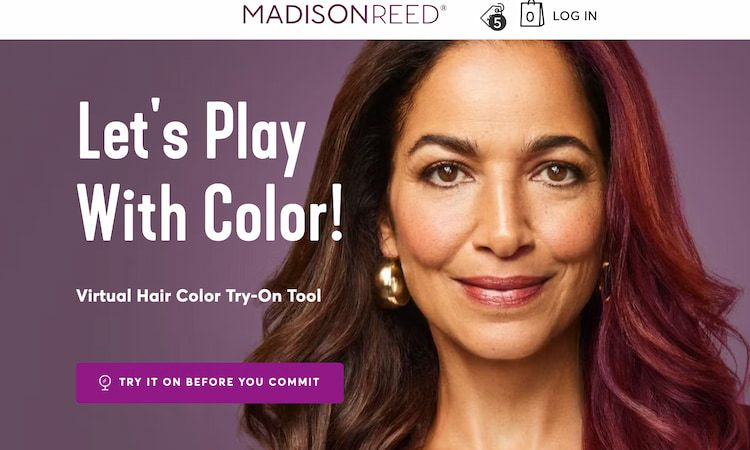
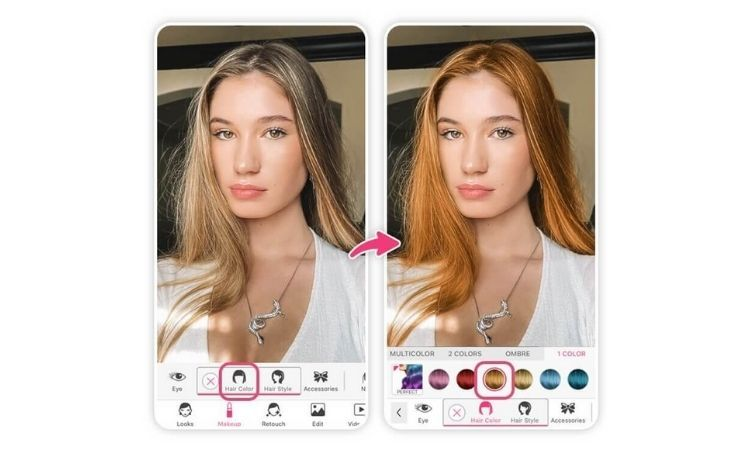
Technology now makes it easier to preview hairstyle changes before making a final decision. Virtual tools allow users to upload a photo and experiment with different cuts and shades digitally. This process helps identify which lengths or colors feel comfortable and which seem less suitable. Some platforms even include features similar to a hair color try on experience, offering realistic previews of various tones. Seeing these simulations can reduce anxiety about major changes and improve communication with a stylist. Virtual previews act as a helpful planning step rather than a replacement for professional advice.
Bring Photos to Your Stylist
Reference photos provide a clear visual starting point during salon consultations. Images help communicate preferences more accurately than verbal descriptions alone. It is also useful to include photos of styles that are not appealing, which clarifies boundaries. Stylists can then adapt the inspiration to suit hair type, density, and face shape. Open discussion about maintenance and styling expectations ensures the result matches daily habits. Bringing visual examples leads to a more collaborative and satisfying salon experience.
Conclusion
Changing a hairstyle involves more than choosing what looks trendy at the moment. Face shape, hair texture, lifestyle, maintenance time, and budget all influence long-term satisfaction. Careful consideration of these factors leads to a style that feels both attractive and practical. Modern visualization tools and clear communication with a stylist make the decision process smoother. A thoughtful approach helps ensure the new hairstyle fits naturally into everyday life. With preparation and realistic expectations, a hairstyle change can become a positive and confidence-boosting experience.