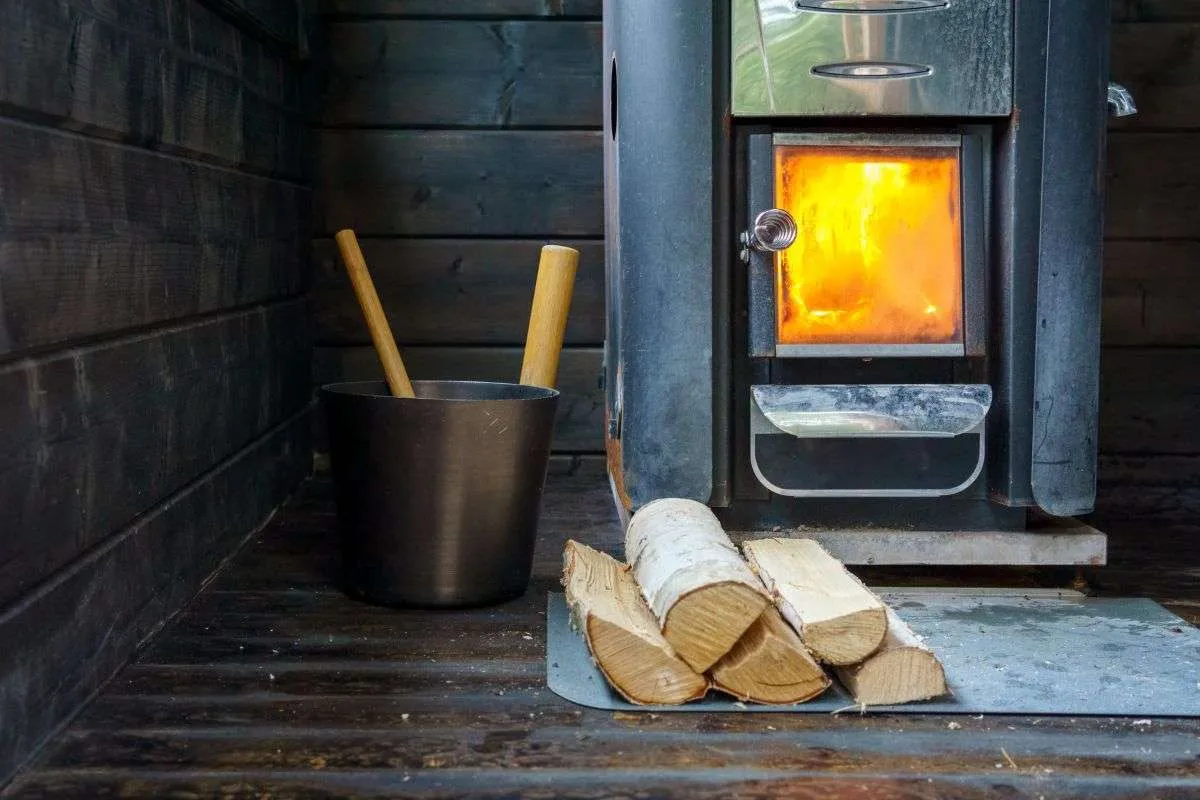
Home sauna interest continues to grow as wellness spaces become a bigger part of residential design, and one question keeps coming up during planning: should a sauna use an electric heater or a wood-fired stove? That choice shapes nearly everything that follows, from installation and operating routine to heat character, maintenance, and long-term satisfaction.
A timely topic for 2026 is not simply which option is better, but which heating system better fits modern home sauna design. Design trends are moving toward more intentional wellness spaces, smarter controls, and outdoor experiences that still feel natural and grounded. Recent lifestyle coverage also points to a mix of modern electric convenience and renewed interest in traditional wood-fired sauna culture.
This guide explains how Electric Sauna Heaters and Wood Burning Stoves compare in real-world home use. It also separates proven sauna benefits from overblown wellness claims. The goal is simple: help readers choose the heating method that fits their space, habits, and safety requirements.
Why this topic matters right now
Modern home sauna buyers are no longer choosing between luxury and utility alone. They are also weighing convenience, authenticity, energy use, installation complexity, and how often the sauna will actually be used. In practice, the best sauna is the one that matches the household’s routine closely enough to become part of normal life.
That shift matters because heater choice affects behavior. A system that heats reliably and fits the user’s schedule is far more likely to be used consistently. At the same time, design media and sauna industry coverage show a clear rise in interest around both app-connected electric systems and more rustic, outdoor wood-fired experiences. That makes this a highly relevant comparison for anyone planning a new sauna or upgrading an older one.
There is also a health-information angle. Sauna use is widely associated with relaxation and possible cardiovascular benefits, but credible sources are careful not to oversell the evidence. Harvard Health notes that some research is promising, while also emphasizing that sauna bathing is not a replacement for exercise and that strong conclusions remain limited.
What the evidence actually says about sauna benefits
Saunas are best understood as a practice that may support relaxation, recovery, and general well-being rather than as a cure-all. Reviews indexed by PubMed report associations between sauna bathing and potential benefits related to cardiovascular health, blood pressure, and some chronic conditions, but these findings do not justify sweeping medical claims for every user.
Harvard Health takes a similarly measured position. Sauna bathing may support heart health for some people, but the evidence is still evolving, and the effects should not be treated as equal to exercise.
From a practical content standpoint, that means the most defensible benefits to discuss are these:
Relaxation and stress reduction
Heat exposure often helps users unwind, slow breathing, and disconnect from screens and noise. This is one of the most consistent and realistic reasons people maintain a regular sauna routine. Mayo Clinic materials on sauna use and heat-related illness also reinforce the need for hydration and moderation, especially for people sensitive to heat.
A possible support tool, not a medical treatment
Research suggests sauna bathing may have a place within broader healthy living habits, but it should never be framed as a standalone treatment for heart disease, metabolic disease, or pain conditions. People with unstable heart conditions, recent cardiac events, dehydration risk, or heat intolerance should be especially cautious.
Electric sauna heaters: what they do well
For many homeowners, Electric Sauna Heaters are the most practical fit for modern living. They are popular for indoor residential saunas because they offer predictable performance, easier code compliance in many settings, and a simpler daily routine.
An electric unit heats without firewood storage, ash cleanup, chimney planning, or combustion management. That matters in homes where the sauna is expected to be used several times a week. Push-button control, timer settings, and in some models remote or app-based operation align well with how many households now use wellness spaces. Design coverage in late 2025 highlighted exactly this shift toward connected, user-friendly sauna technology.
In daily use, the main advantages are consistency and convenience. Heat-up times are generally predictable. Temperature control is more precise. Maintenance is lighter. These are not small benefits. In home sauna projects, consistency often matters more than romance because a difficult system tends to get used less often over time.
Best fit for electric systems
Electric systems are usually the better option when the sauna is:
- Indoors
- Part of a primary residence
- Used on a schedule
- Shared by multiple family members
- Located where venting and fire-related construction would be complicated
They are also easier to integrate into clean-lined contemporary design. That makes them especially attractive in basement saunas, master bath additions, and backyard sauna rooms with permanent power service.
Wood burning stoves: where they stand out
Wood Burning Stoves remain deeply appealing for one big reason: the experience feels elemental. The ritual of lighting the fire, tending the stove, and hearing the subtle sounds of combustion creates a different atmosphere from electric heat. For many sauna purists, that atmosphere is not a side detail. It is central to the experience.
The North American Sauna Society notes that wood-fired sauna remains a commercially available and established option, while current sauna culture coverage shows continued enthusiasm for traditional outdoor formats.
That said, wood heat asks more from the owner. Firewood must be dry, properly stored, and consistently available. The stove, flue, and surrounding clearances need careful planning. Ash removal and chimney maintenance are part of normal ownership. Heat-up can also be more variable depending on weather, fuel quality, and user technique.
Best fit for wood-fired systems
Wood-fired saunas usually make the most sense when the sauna is:
- Outdoors
- Located on rural or semi-rural property
- Built for traditional sauna culture and ambiance
- Used for longer, slower sessions rather than quick daily routines
- Positioned where firewood handling and chimney design are practical
For cabins, lakeside saunas, and detached backyard buildings with enough space, Wood Burning Stoves can deliver a memorable and authentic environment that many users value highly.
Heat quality and user experience
One of the most important differences is not visible on a spec sheet. It is the feel of the room.
Electric heat is often chosen for stability. It is easier to control, repeat, and plan around. That makes it ideal when users want a sauna to perform the same way on a Tuesday evening as it does on a Sunday morning.
Wood-fired heat is often described as more alive or layered. Some users prefer the softer feel and the sensory atmosphere created by fire, stove mass, and subtle variations in heat movement. That preference is real, but it is also subjective. Good sauna design, correct heater sizing, proper ventilation, and appropriate stone capacity matter just as much as fuel type.
In other words, a poorly planned wood-fired sauna can disappoint, and a well-designed electric sauna can feel excellent. Heater choice matters, but execution matters more.
Installation and safety realities
This is where the comparison becomes very practical.
Electric installation considerations
Electric sauna systems require proper voltage, breaker sizing, control compatibility, and professional electrical installation. Heater output must match sauna volume, and clearances to combustible materials still matter. Even though electric systems are simpler in day-to-day use, they are not plug-and-play appliances in most permanent sauna builds.
Wood-fired installation considerations
Wood systems introduce a broader safety envelope. Proper hearth protection, chimney design, venting, clearances, wall shielding, and local fire code compliance are essential. These installations should be planned with extreme care because combustion appliances create risks that go beyond ordinary room heating.
Shared safety basics
Regardless of heater type, safe sauna use depends on:
- Proper room sizing and ventilation
- Correct heater sizing
- Reliable temperature controls
- Safe placement of stones and guards
- Hydration and session limits based on tolerance
Mayo Clinic guidance on heat exposure is a useful reminder that dehydration and overheating are real concerns, especially for older adults, people taking certain medications, and anyone with underlying cardiovascular issues.
Operating cost and maintenance
Electric Sauna Heaters usually win on maintenance simplicity. There is no ash, no fuel hauling, and no chimney cleaning. Operating cost depends on local electricity rates and heater size, but upkeep is generally straightforward and predictable.
Wood Burning Stoves may appeal where firewood is readily available, but ownership includes more labor. Firewood storage, ash disposal, stove cleaning, and flue maintenance all require attention. That does not make wood heat inferior. It simply means the true cost includes time and routine effort, not only fuel expense.
For homeowners who value convenience and frequent use, electric often comes out ahead. For owners who enjoy the ritual and do not mind the work, wood can feel worth it.
Which option is better for different homeowners?
Choose electric when convenience drives the project
Electric is usually the right call for a busy household, an indoor sauna, or a project where fast, repeatable operation matters most. It suits homeowners who want reliable heat with fewer moving parts in the ownership experience.
Choose wood when atmosphere is the priority
Wood is often the better match for outdoor sauna culture, slower sessions, and properties where the full ritual matters as much as the heat itself. It suits homeowners who want a more traditional feel and accept the added maintenance.
Choose based on use pattern, not trends alone
Trends can help identify what people are interested in, but they should not make the final decision. A heater that fits the site, the user’s schedule, and the installation conditions will outperform a fashionable choice every time.
Final takeaway
The most useful comparison between Electric Sauna Heaters and Wood Burning Stoves is not modern versus traditional. It is routine versus ritual.
Electric systems fit modern home life extremely well. They are practical, consistent, and easier to live with in many residential settings. Wood-fired systems offer a deeply traditional experience that many sauna users still prefer, especially in outdoor builds where ambiance matters as much as efficiency.
Both can be excellent. Both can also disappoint if the heater is mismatched to the room or the owner’s habits. For most primary homes, electric will be the easier long-term fit. For detached outdoor saunas and experience-driven builds, wood-fired heat still has a powerful place.
The best outcome comes from matching the heater to the space, the code requirements, and the way the sauna will really be used week after week.