Asphalt paving is a significant investment for driveways, parking lots, and roads, offering durability and a sleek appearance that enhances property value. However, achieving a smooth, long-lasting surface requires careful planning and attention to detail throughout each stage of the paving process. From assessing soil stability and preparing the base to incorporating drainage solutions, every step matters in creating a strong and resilient asphalt surface.
This article outlines key considerations before beginning an asphalt paving project, guiding property owners through the essential steps that ensure quality and durability. For those looking for professional paving services, Pavement Solutions offers comprehensive asphalt paving that includes all phases of preparation, base work, and drainage installation.
1. Conducting a Site Assessment
The first step in any paving project is a thorough site assessment. Evaluating the site allows contractors to identify potential issues, determine the type of work required, and design a paving plan that suits the location’s unique characteristics. This assessment sets the foundation for a successful project.
Factors Assessed During Site Evaluation
- Soil Condition: Soil stability plays a significant role in asphalt durability. Loose or clay-heavy soil may require stabilization before paving, while well-draining soils create a more stable foundation.
- Traffic Load: The anticipated volume and type of traffic influence design decisions. Heavier traffic loads require thicker asphalt layers and a stronger base to handle wear and weight without cracking.
- Weather Conditions: Climate impacts asphalt performance. In areas with freezing winters, for instance, asphalt mixtures and base preparation are tailored to resist freeze-thaw cycles.
Addressing these factors ensures that the paving project is well-suited to the site’s needs, minimizing the risk of future issues.
2. Preparing the Base: The Foundation of Asphalt Longevity
A strong, stable base is the most important element in asphalt paving, providing support for the asphalt layer and preventing common issues like cracking and rutting. The base must be compacted, stable, and free from any loose materials to support the asphalt layer effectively.
Key Steps in Base Preparation
- Excavation: The existing surface is excavated to the required depth to accommodate the base and asphalt layers. This process removes unsuitable materials and creates space for new base layers.
- Soil Stabilization: If the soil is weak or prone to shifting, stabilization techniques, such as adding gravel or lime, may be used to create a more stable base.
- Base Layer Compaction: A layer of aggregate material, typically crushed stone or gravel, is spread and compacted to form a stable base. Proper compaction is essential, as loose or uneven areas can lead to depressions in the asphalt.
A well-prepared base distributes weight evenly across the surface, reducing the risk of settling and ensuring that the asphalt remains smooth and durable over time.
3. Addressing Drainage Needs
Effective drainage is crucial to the longevity of asphalt surfaces. Without adequate drainage, water can seep into the asphalt, causing cracks, erosion, and other forms of damage. Proper drainage design ensures that water flows away from the asphalt surface, protecting it from water-related deterioration.
Drainage Solutions for Asphalt Paving
- Surface Slope: The asphalt surface is designed with a slight slope, directing water away from high-traffic areas. A slope of 1-2% is typically adequate for driveways and parking lots, while larger areas may require additional grading.
- Subsurface Drains: For areas where water tends to pool, subsurface drainage systems, such as French drains, are installed to collect and redirect water away from the base.
- Edge Protection: Proper edge protection prevents water from penetrating the sides of the asphalt. Adding concrete borders or stone edging helps shield the asphalt from erosion along its edges.
Incorporating these drainage solutions protects the asphalt from water damage, helping it remain intact and functional for years.
4. Choosing the Right Asphalt Mix
The type of asphalt mix used impacts the surface’s durability, flexibility, and performance. Different mixes are suited to specific uses, climates, and traffic conditions, making it important to select a mix that aligns with the needs of the project.
Common Types of Asphalt Mixes
- Hot Mix Asphalt (HMA): The most common mix for driveways, roads, and parking lots, HMA is made by heating the asphalt binder to improve flexibility and adhesion. It’s suitable for most climates and provides a smooth, durable finish.
- Warm Mix Asphalt (WMA): WMA is produced at lower temperatures, reducing emissions and energy use during production. It’s often used for projects where environmental concerns are prioritized or in areas where conditions make HMA challenging to apply.
- Porous Asphalt: This eco-friendly mix allows water to flow through the surface, reducing runoff and improving drainage. Porous asphalt is ideal for parking lots and other areas where water management is a priority.
Selecting the appropriate asphalt mix ensures that the surface performs well under local weather conditions, traffic loads, and other project-specific factors.
5. Installing the Asphalt Layer
Once the base is prepared and drainage solutions are in place, it’s time to install the asphalt layer. This step requires precision to ensure a smooth, even surface that meets the desired thickness for durability.
Steps in Asphalt Installation
- Application of Tack Coat: A tack coat is applied to the base, helping the asphalt layer bond securely to the foundation. This adhesive layer improves stability and prevents separation between layers.
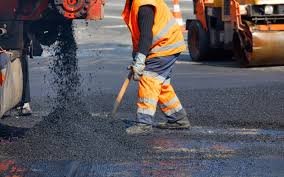
- Spreading the Asphalt: The asphalt mix is spread across the surface using paving machines to ensure an even layer. For driveways and smaller areas, hand tools may be used for precise application.
- Compacting the Surface: Compaction is crucial for a long-lasting asphalt surface. Rollers are used to compact the asphalt, eliminating air pockets and creating a dense, stable layer.
Proper installation techniques ensure that the asphalt layer is smooth, uniform, and able to withstand heavy use without premature wear.
6. Adding Finishing Touches for a Polished Look
Once the asphalt is in place, adding finishing touches enhances both the appearance and functionality of the paved surface. These final steps create a polished look and prepare the surface for regular use.
Final Touches for Asphalt Projects
- Line Striping: For parking lots and commercial spaces, line striping helps organize the area, providing clear parking spaces, directional markings, and safety indicators.
- Sealcoating: Applying a sealcoat after installation protects the asphalt from UV rays, water, and chemicals, extending its lifespan and maintaining its appearance.
- Edge Treatments: Adding borders or edging to the asphalt enhances its look and prevents edge deterioration. Concrete or stone edging can be used to frame the asphalt and protect it from wear.
These finishing touches ensure that the asphalt surface is functional, visually appealing, and ready to handle daily use.
Working with Professional Paving Contractors
While some property owners may consider handling certain aspects of paving on their own, professional paving contractors bring experience, equipment, and expertise to every phase of the project. From base preparation and drainage installation to asphalt application, working with experts ensures quality results and a durable surface.
Pavement Solutions provides full-service asphalt paving, handling all phases of preparation and installation for driveways, parking lots, and roads. Partnering with professionals guarantees that each step of the paving process is completed to high standards, supporting the longevity and appearance of the asphalt surface.
Benefits of Hiring Professionals
- Comprehensive Site Preparation: Professionals handle all aspects of site preparation, from soil stabilization to drainage, ensuring a stable foundation for the asphalt.
- Precision and Quality Control: Expert installation techniques ensure an even, well-compacted surface that resists cracks, erosion, and other issues.
- Customized Solutions: Professionals tailor the project to meet specific needs, providing guidance on mix selection, drainage options, and maintenance practices.
Hiring experienced contractors ensures that the paving project is completed efficiently, effectively, and with a focus on long-term performance.
Conclusion
A successful asphalt paving project begins with careful planning, covering everything from site assessment and base preparation to drainage and finishing touches. Each phase of the process is essential to creating a strong, durable surface that enhances functionality and curb appeal. By addressing these key considerations, property owners can ensure their asphalt surfaces are built to withstand daily use and environmental exposure.
For high-quality paving solutions, Pavement Solutions provides full-service asphalt paving, including all necessary base work and drainage installation. With the right preparation and professional guidance, asphalt surfaces can serve as durable and attractive features for years to come, providing lasting value and performance.