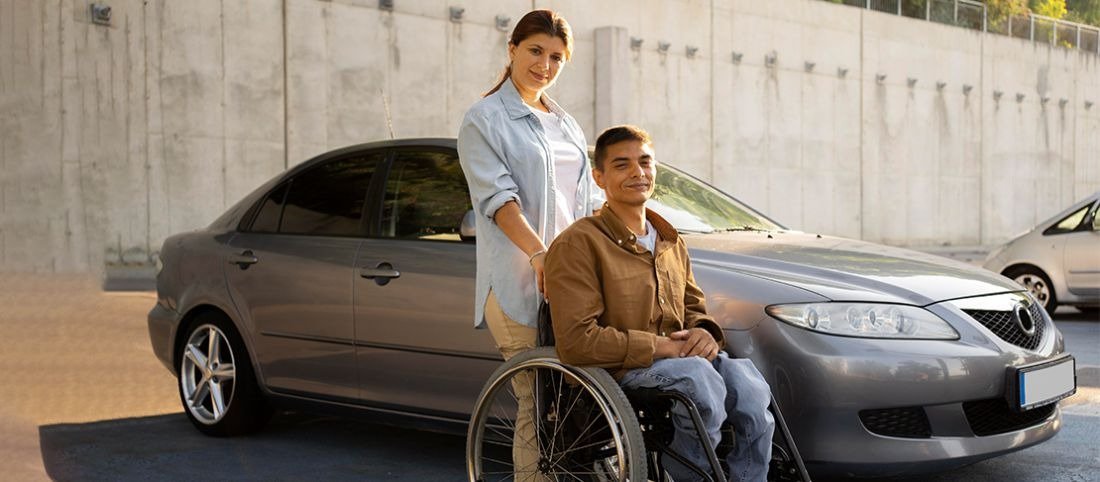
Creating ADA-compliant parking garages involves adhering to specific accessibility requirements, making these facilities safe and convenient for individuals with disabilities. Some of the requirements include pavement markings, defined parking layouts, compliant access aisles, and proper signage. Adhering to these standards helps property managers create welcoming environments for everyone, while avoiding penalties that can result from non-compliance. Here are a few features that make garages ADA-friendly:
Accessible Garage Routes
ADA-friendly garages help make it easy for people with disabilities to access available parking spots. Accessible parking spaces should be located on the shortest route to building entrances and exits, allowing individuals to enter and exit the facility easily. When creating accessible routes in ADA-compliant parking garages, providers should remove all barriers that can hamper movement. Facilities should verify that accessible routes remain clear of debris, snow, and other obstructions to maintain barrier-free access.
When looking for a garage, prioritize one that features slip-resistant surfaces with no abrupt elevation changes. Where changes in elevation exist, properly designed ramps should be provided to offer safe access. Ramps help people using walkers, wheelchairs, and strollers to move between different levels or uneven surfaces safely.
Marked Access Aisles
People with mobility issues, especially those using wheelchairs, require marked and wide access aisles in garages. These designated areas allow individuals with mobility issues to get in or out of their cars and move independently. One of the reasons aisles are marked is to discourage unauthorized drivers from parking there. ADA standards require each accessible parking spot to have an access aisle, which may be located on either side of the space.
In angled parking layouts, access aisles are commonly placed on the passenger side to facilitate wheelchair deployment. Access aisles should also be on a level surface with the parking spot to provide safety when entering and exiting vehicles. A change in level on the aisle can make individuals using mobility devices unstable, leading to falls.
Enough Parking Space
Car- and van-accessible parking spaces should be available in garages to make them ADA-friendly. The number of spaces often depends on the garage’s size. A garage with 1-25 spaces should have one accessible slot for people with disabilities. Garages with more than 1,000 spaces must provide 20 accessible spaces plus one additional accessible space for every 100 spaces over 1,000. When it comes to dimensions, car-accessible spaces should be at least 8 feet (96 inches) wide. Van-accessible spaces must be at least 11 feet wide with a 5-foot access aisle. Van-accessible parking spaces, access aisles, and the vehicular routes serving them require a vertical clearance of at least 98 inches (8 feet, 2 inches).
Clear Signage
Clear signage in ADA-friendly garages makes it easy for individuals to find accessible parking spaces. The signage should feature the International Symbol of Accessibility mounted at each accessible parking space. Proper positioning prevents this signage from obstructing vehicles when moving in and out of a parking spot. According to ADA specifications, this signage should be several feet above the ground, allowing drivers to see it clearly. Clearly indicating where accessible spots are located helps direct traffic flow in a garage, preventing confusion.
Find ADA-Compliant Parking Garages
Creating an inclusive and supportive parking facility helps people with disabilities navigate parking garages safely and independently. Whether or not you have mobility challenges, an ADA-friendly garage reduces potential hazards such as slips, falls, poor visibility, and other preventable injuries. Clear signage and well-managed parking spaces make it easier to locate available spots and enhance overall safety for drivers and pedestrians alike. Start finding ADA-compliant garages today to enjoy safer, more convenient access when parking in busy cities.