If you think felt is only used for kindergarten crafts or dusty industrial pads, let’s gently clear that up. In 2026, felt is doing far more than people give it credit for. In fact, it shows up quietly in offices, homes, studios, hotels, and even in the places your pets love the most.
So today, let’s answer a surprisingly big question in a very human way: what is felt used for? The short answer is “almost everywhere.”
If you think felt is just a “quiet, unassuming material,” then you probably haven’t met estrellafelt yet.
Who are we?
If you think felt is just a “quiet, unassuming material,” then you probably haven’t met Estrella Felt yet.
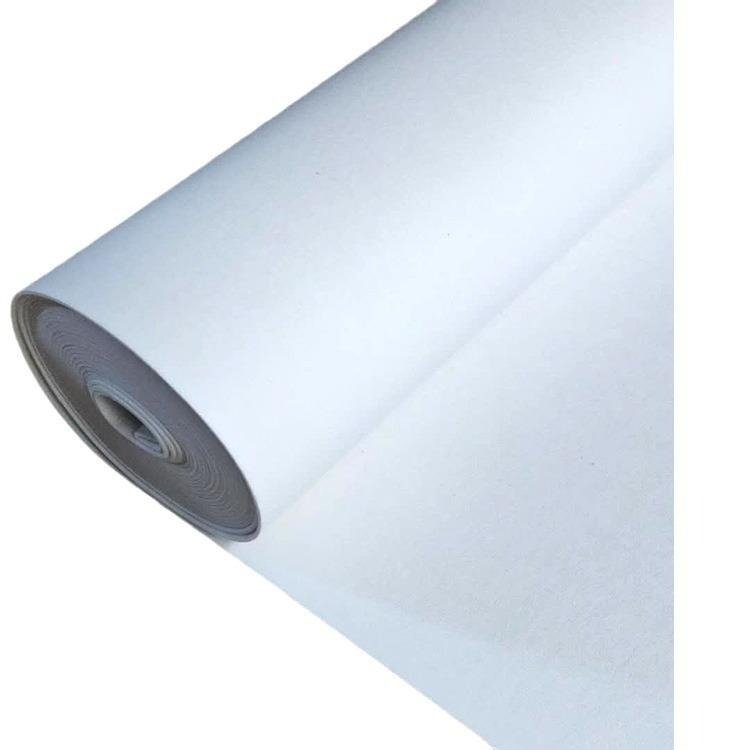
We come from Nangong, Hebei Province, China – a place almost universally known in the felt industry. While it’s not famous for trendy cafes, it boasts unparalleled expertise in “transforming fibers into reliable felt.” For many years, Estrella Felt has focused on one thing: making high-quality felt, and doing it seriously, consistently, and with continuous improvement.
We possess a complete felt production and processing system, from wool felt, synthetic fiber felt, and PET recycled felt, to needle punching, cutting, laser cutting, printing, and custom processing. We can basically cover almost every scenario you can imagine for “how can this felt be used?” Whether it’s for industrial use, acoustic spaces, interior design, or lifestyle products, we are well-versed in all of them.
First, What Exactly Is Felt?
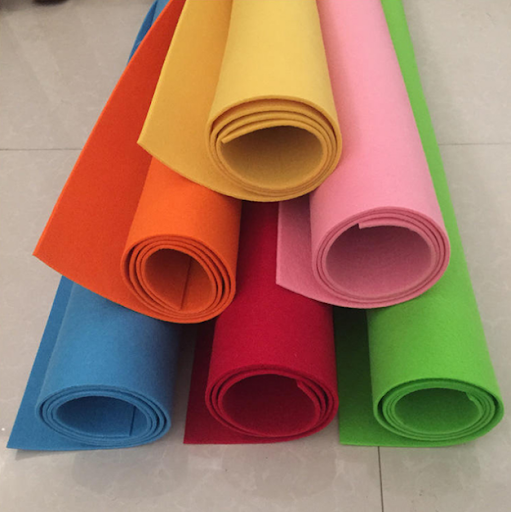
Before talking about applications, it helps to understand what makes felt different. Felt is not woven and it does not rely on traditional yarn structures. Instead, heat, moisture, and pressure lock fibers together into a dense yet flexible material.
As a result, felt combines softness with strength, warmth with breathability, and structure with comfort. That mix explains why designers, engineers, and manufacturers keep coming back to it.
What Is Felt Used For in Modern Spaces?
Acoustic Panels and Sound Control
Let’s start with noise, because no one enjoys working in an echo chamber. In offices, restaurants, studios, and public buildings, sound reflects everywhere. Meanwhile, people just want to focus, talk, or record without distractions.
This is where acoustic felt panels come in. Felt absorbs sound instead of bouncing it back into the room. It reduces echo, improves clarity, and makes spaces noticeably calmer.
As a result, felt is widely used in offices, coworking spaces, conference rooms, recording studios, and commercial interiors. It works quietly, which is exactly the point.
Interior Design and Decorative Panels
Next, let’s talk about walls. Designers use felt to add texture, color, and depth without making spaces feel cold or rigid. Felt panels soften interiors while still looking modern and intentional.
You often see felt used for decorative wall panels, ceiling features, room dividers, and branded interior elements. In addition, felt handles light and shadow beautifully, which helps explain why architects and interior designers keep specifying it.
Furniture and Soft Architecture
At some point, felt decided walls were not enough. Today, it appears in felt chairs, stools, modular seating systems, office pods, privacy booths, and lightweight partitions.
Felt holds its shape well, yet it still feels warm and approachable. As a result, furniture made from felt feels human instead of industrial, which matters more than ever in modern workspaces.
What Is Felt Used For in Everyday Life?
Storage, Bags, and Lifestyle Products
Meanwhile, felt has quietly improved daily life. You will find it in storage baskets, laptop sleeves, tote bags, and desk organizers.
These products work because felt does not scratch surfaces, does not make noise, and does not feel cheap. It simply does its job and looks good while doing it.
Pet Products, Especially for Cats
If you have ever seen a cat ignore an expensive bed and choose a felt house instead, this will make sense. Felt offers warmth, privacy, and a sense of enclosure that pets instinctively love.
That is why felt pet houses, caves, and mats continue to grow in popularity, especially in design-focused markets.
Industrial Uses of Felt
While felt looks soft and friendly, it also works very hard behind the scenes. Industries use felt for sealing, cushioning, filtration, vibration control, and surface protection.
Because felt resists wear and handles pressure well, it performs reliably in manufacturing, automotive, and mechanical environments. In other words, felt is just as comfortable on the factory floor as it is in a living room.
Why Designers and Manufacturers Choose Felt
At this point, the reason becomes clear. Felt offers sound absorption, thermal insulation, design flexibility, durability, and compatibility with recycled fibers. Therefore, felt does not solve just one problem. It solves several at the same time.
About Estrella Felt
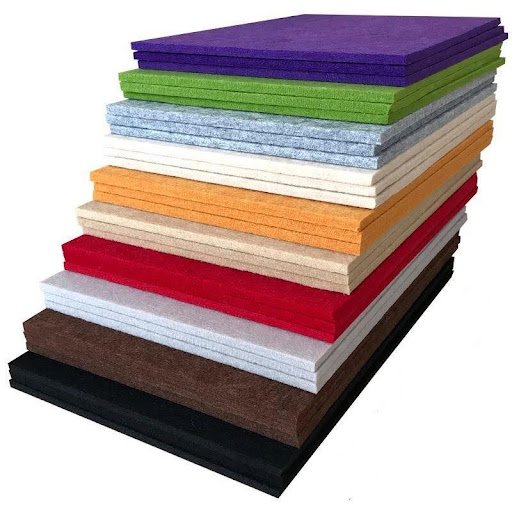
At Estrella Felt, we have spent years working with felt from both an engineering and application perspective. We specialize in acoustic felt solutions, decorative and architectural felt, and custom felt products for B2B clients.
We place a strong focus on sustainable materials, including recycled PET felt, because we believe performance and responsibility should go hand in hand. More importantly, we do not treat felt as just another material. We treat it as a practical problem-solver that improves real spaces and real products.
At estrellafelt, we have spent years working with felt from both an engineering and application perspective.
Final Thoughts
So, what is felt used for? It improves sound without demanding attention. It adds warmth without overwhelming design. It supports comfort, function, and sustainability in a very quiet way.
Felt does not try to be the star of the room. It simply makes everything else work better. And that is exactly why it continues to grow in popularity.