For tens of thousands of years, long before the arrival of supermarkets, supplements, or even agriculture as most people understand it today, Indigenous Australians lived in deep relationship with the land. This relationship was not just about survival—it was about understanding. Plants were not random resources scattered across the landscape; they were known, observed, respected, and used with precision. Among these plants, native berries held a particularly important place.
To many people today, these berries are being redisited as “superfoods.” But framing them that way risks missing the deeper story. For Indigenous communities, these fruits were not trends or discoveries. They were part of a living system of knowledge—one that connected food, health, culture, and environment into a single, coherent way of life.
What Indigenous Australians understood about these berries may seem surprising from a modern perspective, but it reflects a level of ecological and nutritional intelligence that developed over millennia.
A Food System Built on Observation, Not Assumption
Indigenous Australians did not rely on written science, but that does not mean their knowledge lacked rigor. Quite the opposite. Knowledge was built through careful observation, repeated experience, and intergenerational teaching. Over time, people learned which berries were safe, which were medicinal, and which needed preparation before consumption.
This process created a sophisticated understanding of plants that went far beyond simple identification. People knew:
• When berries were at peak nutritional value
• Which environments produced the best fruit
• How seasonal changes affected potency
• Which combinations of foods supported health
This knowledge was embedded in daily life. It was taught through story, practice, and direct experience, often beginning in childhood.
Berries as Everyday Medicine
One of the most striking aspects of Indigenous use of bush berries is that the line between food and medicine was not clearly separated. Many berries were consumed regularly, not because they were labelled “healthy,” but because they were part of a balanced diet that supported overall wellbeing.
Certain berries were recognised for specific effects:
• Supporting digestion
• Helping the body recover from illness
• Providing energy during long travel
• Maintaining skin health
• Assisting with hydration in harsh climates
Rather than isolating compounds or creating extracts, Indigenous people consumed whole foods. This meant they benefited from the full spectrum of nutrients—vitamins, fiber, antioxidants, and plant compounds—working together.
The Role of Lilly Pilly
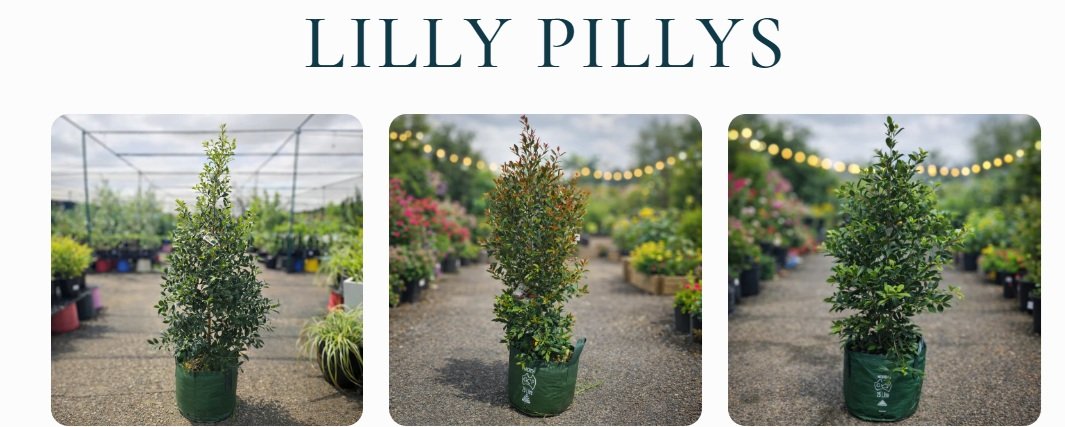
Among the many native berries, lilly pilly stands out both culturally and nutritionally. Found along the eastern coast of Australia, these small, often pink or red berries were widely used by Indigenous communities.
Lilly pilly fruit has a crisp texture and a tart, slightly sweet flavour. But its importance goes beyond taste.
Traditionally, it was valued for:
• Its high vitamin content, particularly vitamin C
• Its refreshing qualities in warm climates
• Its ability to be eaten raw or prepared in various ways
• Its role in maintaining general health
In some regions, lilly pilly was also used topically. The fruit or plant extracts could be applied to the skin, reflecting an understanding that certain plants could support healing both internally and externally.
What is notable is that this knowledge existed long before laboratory analysis confirmed the presence of beneficial compounds. Indigenous Australians did not need biochemical testing to recognise the value of the plant—they observed its effects directly.
Seasonal Intelligence and Timing
Another key aspect of Indigenous knowledge was timing. Berries were not simply harvested whenever they were available. There was an understanding of seasonal cycles and how these influenced both availability and quality.
People knew:
• Which berries appeared after rain
• Which fruits signaled changes in animal behaviour
• Which seasons were best for harvesting certain plants
• When berries were most potent or nutritious
This seasonal awareness ensured that food sources were used sustainably. It also meant that people consumed a wide variety of foods throughout the year, supporting nutritional diversity.
Modern diets often lack this variation, relying heavily on a narrow range of foods available year-round. Indigenous diets, by contrast, naturally cycled through different nutrients depending on the season.
Preparation Methods Matter
Not all berries were eaten raw. Some required preparation to make them safe or more beneficial. Indigenous Australians developed techniques to:
• Reduce bitterness or toxicity
• Improve digestibility
• Enhance flavour
• Preserve food for later use
These methods included drying, crushing, soaking, or cooking. Preparation was not random—it was based on knowledge of how each plant behaved.
This highlights another important point: the benefits of bush berries were not just in the plants themselves, but in how they were used.
A Holistic Approach to Health
Indigenous use of berries reflects a broader philosophy of health. Rather than focusing on treating illness after it occurs, the emphasis was on maintaining balance.
Food played a central role in this.
Berries contributed to:
• Nutritional balance
• Hydration
• Energy levels
• Immune resilience
But health was also connected to movement, environment, and social structure. Gathering food involved walking, observing, and engaging with the landscape. Eating was often communal. Knowledge sharing reinforced cultural identity.
In this context, berries were part of a system that supported both physical and cultural wellbeing.
Knowledge Passed Through Generations
One of the most remarkable aspects of Indigenous plant knowledge is how it was preserved. Without written records, information was passed down through:
• Oral storytelling
• Practical teaching
• Cultural ceremonies
• Daily participation in food gathering
Children learned by doing. They observed elders, asked questions, and gradually built their understanding.
This method ensured that knowledge remained dynamic. It could adapt to environmental changes while maintaining core principles.
Modern Rediscovery
In recent years, native Australian berries have gained attention in the wider food and health industries. Products featuring ingredients like lilly pilly, Davidson’s plum, and Kakadu plum are now marketed for their high antioxidant content and nutritional value.
While scientific research has validated many of these benefits, it is important to recognise that this is not new knowledge. Indigenous Australians understood these properties long before they were quantified.
The modern framing of these berries as “superfoods” often simplifies a much deeper story. It focuses on individual nutrients rather than the broader system of knowledge that guided their use.
Sustainability and Respect
Another important aspect of Indigenous use of bush berries is sustainability. Harvesting was done with care, ensuring that plants continued to thrive.
Practices included:
• Taking only what was needed
• Avoiding damage to plants
• Allowing areas to regenerate
• Understanding the role of plants within the ecosystem
This approach contrasts with modern agricultural systems, which often prioritise yield over ecological balance.
There is growing interest in applying Indigenous land management principles to modern farming and food production. Native berries, including lilly pilly, are increasingly being cultivated in ways that reflect these values.
Why This Knowledge Still Matters
The knowledge Indigenous Australians developed about bush berries is not just of historical interest. It has ongoing relevance.
Modern diets and lifestyles have led to increased rates of chronic illness. Many people are now looking for ways to reconnect with more natural, balanced approaches to health.
Indigenous perspectives offer valuable insights:
• Food should support overall wellbeing, not just provide calories
• Variety and seasonality are important
• Whole foods are more beneficial than isolated nutrients
• Sustainability is essential for long-term health
These ideas align with current scientific understanding, but they were practiced long before they were formally studied.
Beyond Nutrition: Cultural Significance
It is also important to recognise that bush berries are not just nutritional resources. They are part of cultural identity.
For many Indigenous communities, these plants are connected to:
• Traditional knowledge systems
• Language and storytelling
• Land and place
• Community practices
This means that discussions about native foods should be approached with respect. The growing popularity of these ingredients creates opportunities, but also responsibilities.
Supporting Indigenous growers, respecting cultural knowledge, and acknowledging the origins of these foods are all important considerations.
The Bigger Picture
When people encounter native Australian berries today, it is often through a narrow lens—health benefits, flavour profiles, or novelty. But the deeper story is about relationship.
Indigenous Australians did not simply “discover” that these berries were useful. They developed an ongoing relationship with the land that allowed them to understand its patterns, respond to its changes, and use its resources wisely.
This relationship produced a body of knowledge that is both practical and profound.
A Different Way of Seeing Food
Perhaps the most surprising aspect of all is not any single benefit or use, but the overall approach.
In modern society, food is often disconnected from its source. It is packaged, processed, and consumed with little awareness of where it comes from or how it affects the body beyond basic nutrition.
Indigenous perspectives offer an alternative:
Food is part of a system.
Health is part of a system.
People are part of a system.
Berries like lilly pilly are small pieces of this larger picture.
Conclusion
The story of Australian bush berries is not just about nutrition. It is about knowledge, observation, and connection. Indigenous Australians developed a deep understanding of these plants through generations of experience, creating a system that supported both individual health and environmental balance.
Modern science is only beginning to catch up with what was already known.
What may seem surprising today is simply the result of a different way of thinking—one that values long-term observation over quick conclusions, and balance over extraction.
In a time when many people are searching for better ways to eat and live, there is much to learn from this approach.