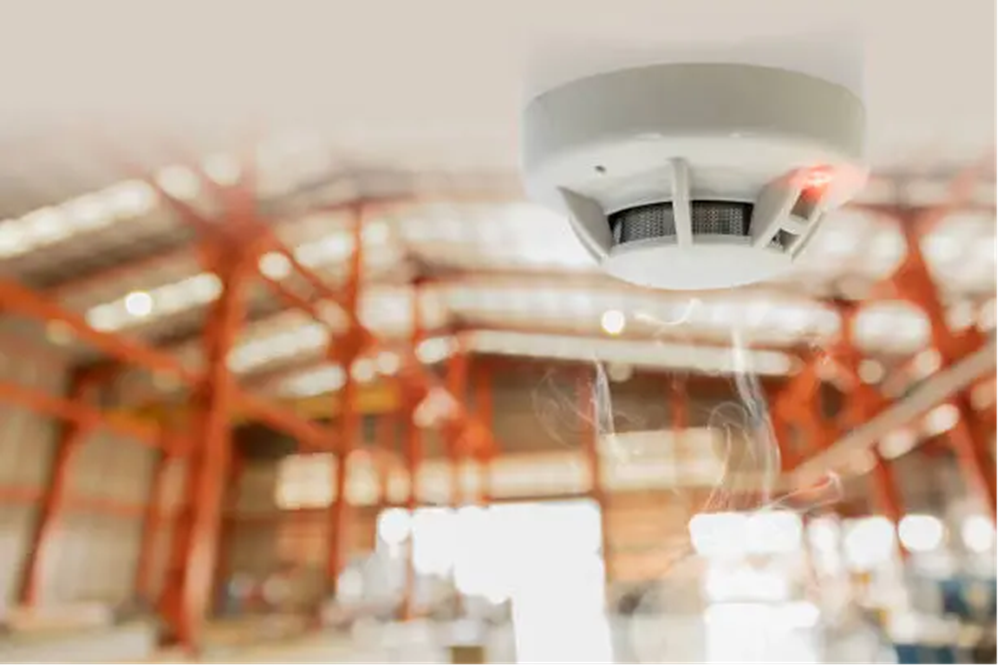
Let’s face it, fire safety compliance is not the most thrilling thing to undertake but it’s one of those that will bite you hard if you miss the mark and regulations have grown stricter over the last handful of years so what was once compliant five years ago is now no longer acceptable.
What’s worse is that regulations are vague, applied to certain properties more than others. A rental house is not the same as a flat in a converted building which is not the same as purpose built student accommodation.
The Minimum Standards to Comply With
Let’s start with the minimum standards that exist everywhere. Every residential property in the UK must have working smoke alarms on each story where there is room being used for living accommodation; this has been in place since 2015 in England, with other nations following suit with similar demands.
However, many people get caught out because working doesn’t just mean beeping when someone presses the test button. Alarms must be correctly positioned (not shoved in the corner useless) and they must be replaced when their end of life is up; typically ten years’ time (although some newer sealed battery units are meant to last that long without replacement batteries).
Carbon monoxide alarms are now also required in any room where there exists a fixed combustion appliance; gas boilers, wood burning stoves, oil heaters; if it’s there, there’s a need for a CO monitor in that room. This regulation came about October 2022, so it’s relatively newer and many properties still operate without it.
Where It Gets Complicated
Where it gets complicated are Houses in Multiple Occupation or buildings with flats which have been converted; these are under different legislation and demands are greater.
HMOs generally require a full fire detection and alarm system rather than stand alone alarms; interconnected systems where when one goes off, they all go off. The grade required is based on the length of the property but most HMOs require at least a grade D system (mains powered with battery backups, all interconnected).
Converted flats are dependent on when the conversion was done and how many floors there are. Flats converted after 1991 are generally required to have more fire prevention/annoyance than those converted before but even before 1991 requires compliance if the property is being re-let or sold.
The Documentation No One Thinks About
Here’s where people get caught out during an inspection; records. Not only do you need to have the appropriate equipment in, but you need to prove it was done well and maintained.
For most residential properties, this means alarm records (when they were installed, when testing happened, when batteries needed replacement or units/what types were exchanged/upgraded); for HMOs/larger builds, you may need fire risk assessments on file along with evidence that proper action was taken with recommendations on said assessments.
Yet people fail to find this out until they try to sell or inventory what’s on record and by then they’re scrambling to try and piece together from three contractors just what happened where and when with owners/sometimes living in foreign countries.
Getting The Right Equipment Installed
Not every fire safety equipment is created equal and by the time you buy the cheapest option, you could have just spent more on something appropriate. All equipment must be appropriate for British Standards (BS 5839 for detection systems, BS EN 50291 for CO monitors) and appropriate for installation.
This is where having suppliers who understand the trade make a difference. Professional grade equipment designed for Fire and CO safety for UK trade and housing professionals typically comes with better warranties, clearer documentation, and technical support when you need to specify systems for different property types.
Sealed lithium battery alarms are more expensive upfront but save the hassle of annual battery exchange (and removing batteries by tenants). For landlords who manage multiple properties, that’s a phenomenal time savings aspect.
What Happens When You Get It Wrong?
With increased awareness, comes increased penalties for not complying; unlimited fines can be issued by local authorities due to improvement notices, prohibition orders if serious misdemeanors occur. However, financial penalties are the least of your concern for why you don’t want to go wrong here.
When there is a fire and injury occurs? It’s serious liability potential. When insurance companies take a keen interest in whether you’ve met your legal obligations, one little thing will throw all of your other efforts off to deny payout to what’s likely a personal situation that will sink a property business.
Without a fire, compliance still doesn’t help; it creates delays in selling properties, makes them unlettable and kills them for housing associations/local authorities (if working under social housing).
How Often Are These Regulations Updated?
The regulations are not static; a clear trend shows more regulations over time based on high-profile incidents that find gaps in information and service. The government has been consulting about various changes to fire safety law and it’s safe to assume more are approaching.
The best way? To treat compliant regulations as minimum standards achieved rather than just another hurdle to jump through. If you’re installing systems now, think about what’s going to be required in five years, not what’s required now. If interconnected systems are an option, do it now even if they’re not required just yet because it will buy you time in the future.
The Practical Reality of Fire Safety Compliance
Managing fire safety compliance through property ownership is practical but thankless work. Between testing, contractors, keeping records and getting comfortable with regulation changes, it’s easy to fall off the wagon—and easily compliant properties have consistent reminders implemented to keep them that way—for many it’s diary notifications daily or early annual notifications from contractors booked way out. Even property management software helps search through compliance deadlines for people who forget them. It’s easier for someone else to remember for you when your track record isn’t credible enough on its own before someone else steps in to assess it for you looking for shortcomings.
The bottom line? This isn’t optional, it won’t work well if you’re working with loopholes it won’t get any easier moving forward. But it’s manageable if you buy the right equipment, get what you can afford—and what’s appropriate—and put time into record keeping as a maintenance aspect unless it applies automatically without note taking too! This isn’t a once time check box—it’s an ever-evolving reality!