Wireless charging changes behavior more than people expect. It does not just remove cables. It alters how and when devices gain power throughout the day. Instead of waiting for a low-battery warning, users begin topping up naturally during existing routines. Phones rest on desks, nightstands, or kitchen counters and charge without conscious effort. This shift turns charging into a background habit rather than a task. The biggest benefits appear not during emergencies, but during ordinary moments repeated every day. Understanding which habits gain the most from wireless charging helps explain why many users never return to cable-only setups once wireless becomes part of their routine.
Daily Routines Where Wireless Charging Fits Naturally
Desk Work and Continuous Phone Access
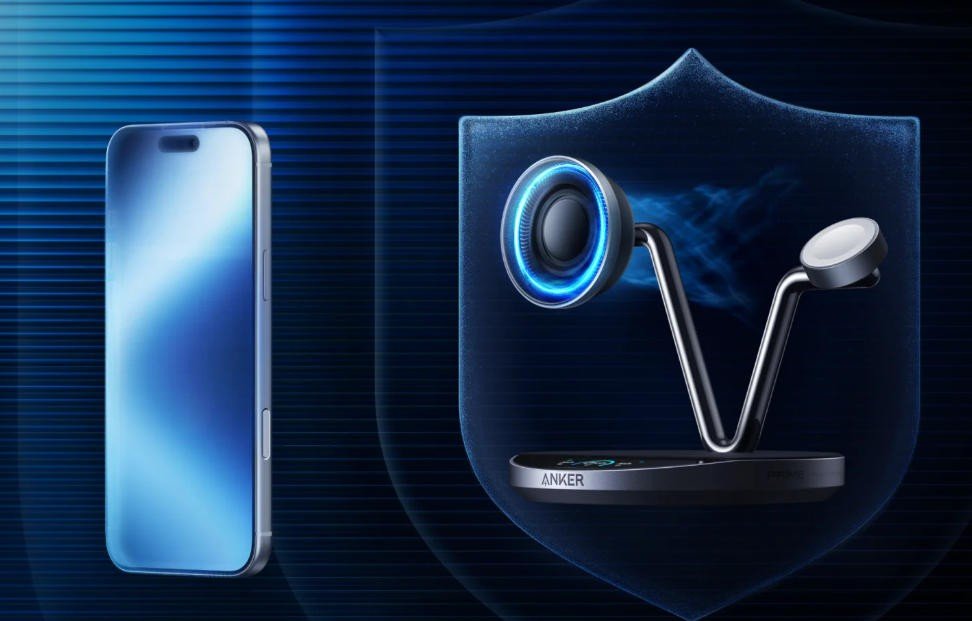
Desk-based work creates ideal conditions for wireless charging. Phones sit nearby for notifications, calls, and authentication tasks. With wired charging, users hesitate to plug and unplug repeatedly. Wireless charging removes that friction. The phone rests on a charger while remaining accessible. Short charging sessions accumulate throughout the day. Battery levels stay comfortably high without deliberate planning. This matters for people who rely on their phones for work coordination or messaging. A dock-style wireless charger keeps the device visible and usable. Solutions like the Anker Prime Wireless Charging Station (3-in-1, MagGo, AirCool, Dock Stand) integrate smoothly into desk setups by supporting stable charging while the phone remains active.
Short Breaks and Micro Top-Ups
Many daily breaks last only a few minutes. Coffee refills, quick chats, or stepping away from a screen rarely feel long enough to justify plugging in a cable. Wireless charging thrives in these moments. Users place their phone down and walk away without thinking about alignment or connectors. These micro top-ups add meaningful battery life over a day. They reduce reliance on long charging sessions later. Over time, this pattern keeps batteries healthier and reduces anxiety about running low. Wireless charging works best when it aligns with natural pauses rather than forcing users to change behavior.
Shared Surfaces in the Home
Kitchen counters, side tables, and entryway shelves often host phones temporarily. These surfaces become informal charging points when wireless chargers are present. Family members drop devices down while cooking, talking, or preparing to leave. Charging happens incidentally. This reduces competition for outlets and eliminates the need for multiple cables in shared spaces. Wireless charging supports communal habits because it requires no setup or ownership. Anyone can place a phone down and benefit. Over time, these shared charging points become part of the household flow rather than dedicated charging zones.
Habits That Benefit from Smarter Wireless Charging Design
Charging While Using the Device
Many users scroll, watch videos, or attend calls while charging. Wired charging restricts movement and often creates awkward cable angles. Wireless charging supports use without physical constraints. However, charging speed and heat management matter here. When a charger manages temperature effectively, users can continue using their device without significant slowdowns. Active cooling and intelligent power control help maintain stable performance. This makes wireless charging suitable for active use scenarios, not just idle charging. It turns charging into a supportive background process rather than an interruption.
Overnight Charging and Sleep-Friendly Routines
Nighttime charging benefits from simplicity and predictability. Users want quiet operation, minimal light, and safe temperature control. Wireless chargers fit naturally on nightstands because they require no fumbling with cables in the dark. Placing the phone down becomes a single motion. Smart charging modes further refine this habit by adjusting behavior overnight. The phone charges steadily while minimizing disturbance. This supports better sleep routines and reduces the temptation to interact with the device late at night. Wireless charging aligns well with routines that prioritize ease and consistency over speed alone.

Habit Tracking and Conscious Charging Behavior
Wireless charging encourages awareness. When users can see charging status and temperature at a glance, they develop better habits. They learn when a quick top-up is enough and when a longer session makes sense. This awareness leads to more intentional charging patterns. Users stop overcharging or repeatedly reconnecting cables. Chargers with live displays and smart interaction features support this learning process. Over time, charging becomes predictable and stress-free. This is especially valuable for users who care about long-term device health and consistent performance.
Conclusion
Everyday habits benefit most from wireless charging when charging becomes effortless and aligned with natural routines. Desk work, short breaks, shared surfaces, active use, and overnight rest all benefit from the simplicity of placing a device down and letting it charge. The true value of wireless charging appears not in extreme scenarios, but in small, repeated moments throughout the day. A product like the Anker Prime Wireless Charging Station (3-in-1, MagGo, AirCool, Dock Stand) fits into these habits by supporting stable charging, clear feedback, and adaptable modes without demanding attention. For users seeking a reliable iphone 17 wireless charger experience that complements daily life, wireless charging proves most powerful when it fades into the background and quietly supports existing habits.