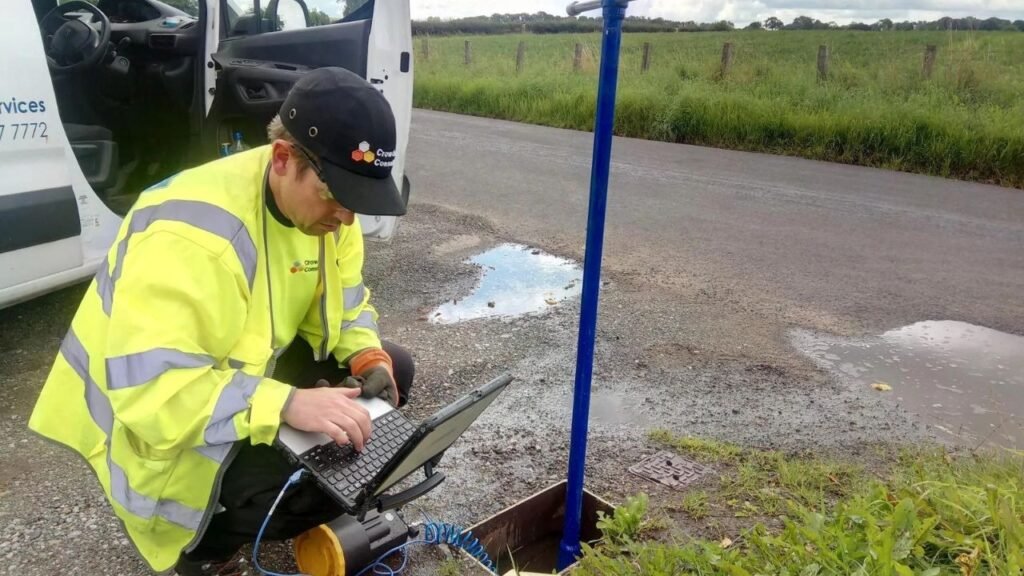
As water networks become increasingly complex and customer expectations continue to rise, utilities are under growing pressure to operate more efficiently, minimize losses, and maintain service reliability. To achieve these goals, many organisations are turning to Water Network Management Software a digital solution that provides real-time visibility, intelligent analytics, and proactive control across the entire distribution system.
By integrating data from sensors, meters, SCADA, GIS, and hydraulic models, these platforms help water providers transform raw information into actionable insights. The result is a smarter network with fewer failures, improved leakage control, and enhanced operational performance.
What Is Water Network Management Software?
Water Network Management Software is designed to monitor, analyse, and optimise the performance of water distribution systems. Using continuous data streams from across the network, the software offers a unified view of key indicators such as pressure, flow, and demand. Utilities can detect anomalies faster, plan maintenance more effectively, and ensure water is delivered reliably to customers.
Key capabilities typically include:
- Real-time flow and pressure monitoring
- Leakage detection and event alarms
- Network modelling and simulation
- DMA (District Metered Area) management
- Asset condition tracking
- Predictive analytics and reporting
- GIS-based network visualisation
The combination of these tools helps utilities make quicker, smarter decisions.
Why Utilities Are Adopting Water Network Management Software
Utilities worldwide are recognising the value of digital intelligence. Several major benefits are driving the adoption of Water Network Management Software:
1. Faster Detection of Leaks and Faults
Early detection is essential for reducing water loss and preventing bursts. Advanced analysis tools highlight unusual consumption or pressure anomalies, allowing operators to take action quickly.
2. Improved Operational Efficiency
With centralised data and automated insights, utilities spend less time on manual checks and more time resolving issues. This leads to reduced operational costs and improved network reliability.
3. Smarter Maintenance and Planning
Data-driven insights support better decision-making. Utilities can identify high-risk areas, prioritise maintenance activities, and plan upgrades with greater accuracy.
4. Enhanced Customer Service
Stable pressure, fewer interruptions, and reduced burst frequency all help utilities deliver a better service experience.
How Water Network Management Software Supports Leakage Reduction
Leakage remains one of the most significant challenges in the water industry. Software-enabled monitoring plays a central role in reducing non-revenue water (NRW).
Real-Time Monitoring
Continuous measurement helps detect leakage earlier than traditional methods.
DMA Analytics
By analysing performance in District Metered Areas, utilities can isolate zones where water loss is occurring.
Pressure Management
Optimising pressure reduces stress on pipes, lowering the likelihood of bursts and leaks.
Advanced Diagnostics
Modern software identifies abnormalities that would otherwise go undetected for long periods.
Explore a Leading Water Network Management Solution
Utilities seeking a sophisticated, integrated management platform can explore the Netbase Water Network Management System, a comprehensive solution offering real-time network intelligence, leakage reduction tools, and advanced performance analysis.
👉 Learn more at: https://www.crowderconsult.com/netbase-water-network-management-system
This system brings together monitoring, modelling, and event detection to support efficient, sustainable water network operations.
Supporting Sustainability and Long-Term Resilience
By reducing leakage, optimising energy use, and improving asset performance, Water Network Management Software plays an essential role in meeting sustainability goals. Lower water loss means more efficient use of resources, while predictive maintenance helps utilities extend asset lifespan and reduce carbon emissions.