Introduction
Volkswagen reliability depends heavily on model, engine, year and maintenance history, not just the badge. Volkswagen has a history of making comfortable, well-made vehicles that offer good handling but haven’t been reliable. Depending on the model, some Volkswagen cars may last for many years, and exceed 100,000 miles, while others may suffer from costly mechanical or electrical issues as they get older. So it’s better to assess individual products of Volkswagen rather than the brand itself.
Other sources tell us why it’s challenging to summarize the reliability of Volkswagen. The 2025 Volkswagen Jetta scores 82/100, or Great, in terms of Quality & Reliability, while the 2025 Atlas gets a 71/100, or Average, rating. For some VW models, Consumer Reports has different forecasts, revealing that while reliability can vary greatly, it can vary even more between model years and vehicles. These distinctions make it worthwhile for buyers to do due diligence on the specific Volkswagen they are interested in purchasing, as opposed to just taking the word of the brand.
Volkswagen’s Overall Reliability Ratings
The overall reliability ratings on Volkswagens vary and are generally average to good. Volkswagen receives a 3.5 rating out of 5.0 from RepairPal, and is ranked 12th out of 32 manufacturers. The estimated average annual repair and maintenance costs are $676, slightly higher than the overall average of $652. The results show that Volkswagen is not one of the most reliable brands, but you should be prepared for some maintenance and repairs, especially with older models.
Volkswagen reliability ratings can be compared to owner experiences, and independent reliability information is available to provide more information about the vehicles’ reliability ratings overall. Different long-term vehicle databases and auto analysts, such as J.D. Power, Consumer Reports and RepairPal, aren’t always squarely on the same side. That’s fine, as each organisation measures it differently and performs it differently. The only sure bet is that VW reliability can vary widely from one model to the next and generation to generation.
How many years will a Volkswagen car last?
The lifespan of a Volkswagen, when properly maintained, can be over 100,000 miles; in some cases, over 150,000 miles, 200,000 miles or longer. But, when mileage is very high, regular maintenance is required, not just regular oil changes. As a Volkswagen grows older, turbocharged engines, automatic transmissions, cooling systems, electronics and emissions equipment may need some TLC.
The average mileage are iSeeCars estimates of 137,856 miles for the Jetta, 121,701 miles for the Tiguan and 153,592 miles for the Golf. These are averages and not a guarantee. Previous driving experience, maintenance history, previous ownership, accidents, and repair history can mean the difference between the driver and the vehicle. It is possible that a Volkswagen with higher miles will be a better deal than a low mileage one that was not properly maintained.
Most Prevalent Mechanical Issues with VW Golf faces are as follows:
Engine and Cooling System Complaints.

There have been issues with oil consumption, timing, oil leaks, turbochargers, PCV system, thermostat housings and water pumps, among others, in some Volkswagen models and engines. These problems do not occur in all Volkswagens and are generally related to the model and engine type and year. However, they are places which used-car buyers should explore before buying a used VW.
Cooling-system issues are especially critical since cooling system problems can result in much more severe engine damage if left unaddressed. Signs that buyers should watch are for coolant leaks, temperature changes, warning lights, abnormal noises and any signs of previous overheating. If service records are complete, they can be used to check for unimportant maintenance service.
Transmission and Drivetrain Problems
Volkswagen has installed various automatic, manual, and dual clutch transmissions so they can’t all be assumed to have the same reliability qualities. A few older Volkswagen cars have experienced transmission issues, especially with high mileage. If they are having trouble getting the transmission to shift smoothly, engage, slip, hesitate or make any type of unusual noises, one should investigate before purchasing a used car.
In addition, further parts of the drive train of all-wheel-drive Volkswagen models need to be maintained. Failure to perform proper fluid maintenance or notice when there are warning signs could lead to costly repairs. It is, therefore, very useful to have a pre purchase inspection when purchasing a higher mileage Volkswagen.
Common Electrical Problems
Infotainment and Electronics
Much more technology is found in modern Volkswagens than in older ones and electronic issues can be one of the complaints that is reported by some owners. Problems can be infotainment screens freezing or going black, Bluetooth connection or smartphone connections may fail, and software glitches may occur. Some Tiguan and Atlas model years are subject to Consumer Reports owner reports of these types of electronic issues.
Electronic problems may be annoying but not necessarily mechanical issues. There are some problems that can be fixed with software changes, part replacements, or system resets. However, it is recommended that buyers do test all electronic equipment before buying a used Volkswagen.
Sensors and Driver-assistance Systems
Other driver-assistance technology, such as cameras, radar sensors, parking sensors, lane-assistance systems, and others, are also included in newer Volkswagens. Faulty sensors and/or a software issue may result in a warning or temporarily disable certain features. These systems should be tested when you inspect a used car (particularly if it has had an accident in its history or warning lights on its dashboard).
Volkswagen’s reliability
Volkswagen Jetta
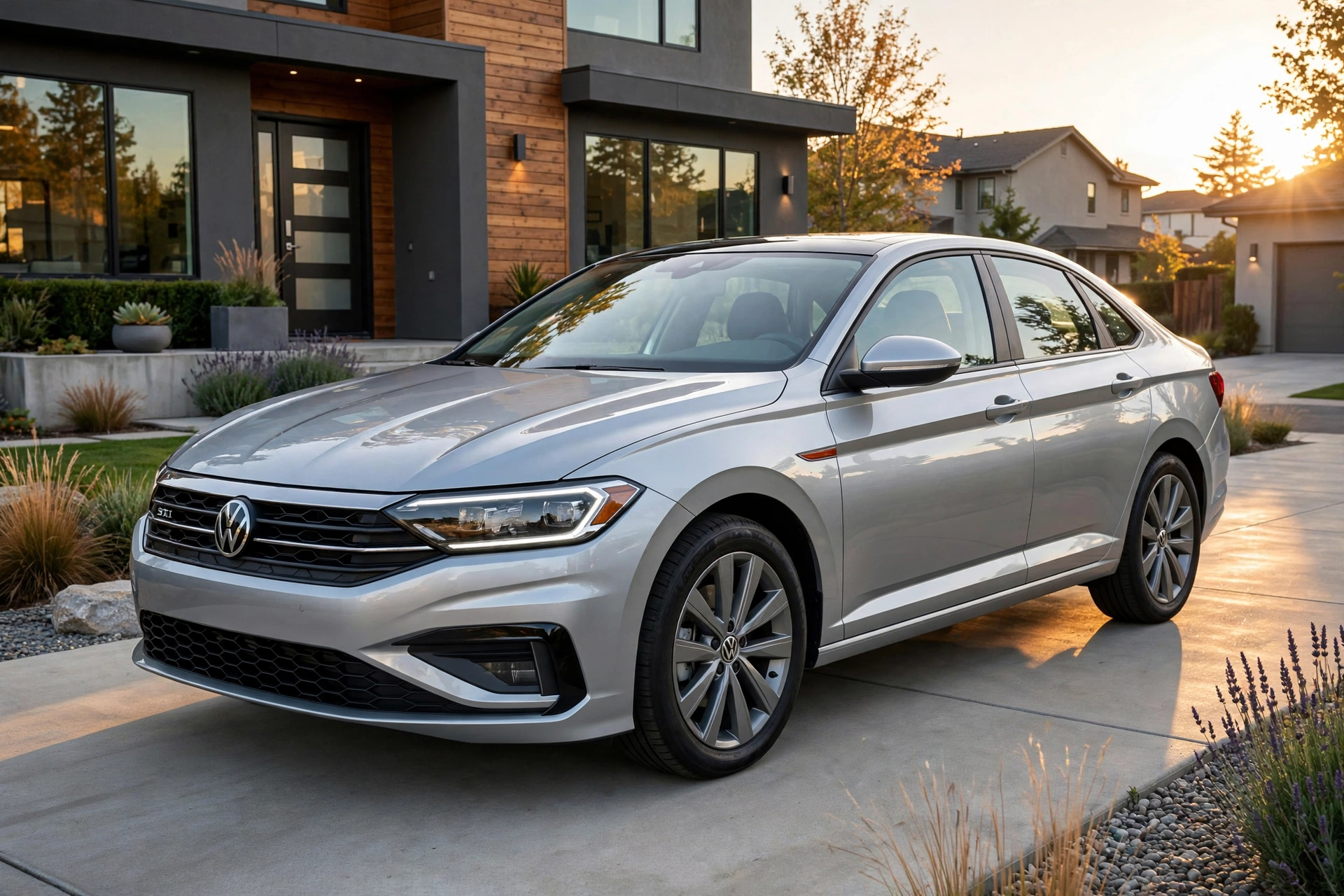
From the reliability standpoint, one of the better models offered by Volkswagen is the Jetta. The J.D. Power 2025 Jetta has a score of 82/100 in terms of Quality & Reliability, which falls under the Great category. But a less-than-positive trend on the reliability side of things has been noted by Consumer Reports for some Jetta model years.
The Jetta is comparatively simple compared with some of the bigger Volkswagen vehicles, so it is a great option for people that like to get a practical compact sedan. But, maintenance is still crucial, especially after the higher mileage mark. If you have a Jetta that has been serviced, it will be a better long term investment than a Jetta that you are not sure about.
Volkswagen Tiguan
The Tiguan’s reliability comes with mixed reviews. The 2024 Tiguan earned a “Better” reliability rating, beating other models with the same model year, from Consumer Reports, though the car has been plagued by issues with the infotainment and electrical systems in owner complaints on some model years. Cooling systems, timing components and turbocharger components also need to be addressed for older Tiguans.
With proper maintenance, the Tiguan is still a viable long-term SUV. Buyers should however do their research about the particular model year and engine before buying. Older or higher mileage models are particularly significant to have a professional inspection.
Volkswagen Atlas
The Atlas is bigger and more complex than the Subaru and has mediocre reliability. The 2025 Atlas receives a 71/100 score for Quality & Reliability from J.D. Power. Owners have reported problems with the infotainment system and other electronic systems on some model years, as Consumer Reports has reported.
As the Atlas ages, repairs can become expensive, due to the fact that it is equipped with more tools and larger engines than its smaller counterparts, Volkswagen models. When choosing a used Atlas, buyers should take into account the service history, recalls completed and a thorough inspection.
Volkswagen Golf
The Golf has proven to be very reliable in iSeeCars’ reliability ratings. The estimated average life span of the car is about 153,592 miles, putting it in the middle of the Volkswagen models in that range. The Golfs have also been reported as very high mileage models with original owners using them extensively with no problems.
The Golf, however, needs to be properly maintained. Neglecting a turbocharged engine and transmission, suspension and electronics can all cost a lot. When buying a used Golf, always keep in mind the exact engine and transmission.
Volkswagen Owners Experiences
The results of real owner experiences vary, but many Volkswagen drivers boast of having gone through many miles without any trouble, as long as they maintained their cars properly. Volkswagens are frequently seen to have logged over 200,000 miles, and some owners have reported on high costs for repairs that were necessary, such as those on the cooling systems, timing components, turbochargers, transmissions and electronics. The experiences here demonstrate how different the ownership of a Volkswagen can be, vehicle to vehicle.
The most beneficial thing owner reviews have to offer is that maintenance history is extremely important. Those who stick to a regular driving interval service plan, and go for small repairs promptly, tend to have a better experience than those who wait on repair. Meanwhile, owner reviews are anecdotal, and ought not to be considered as statistical evidence that all Volkswagen’s will act in the same way.
Volkswagen Cost of Ownership and Maintenance
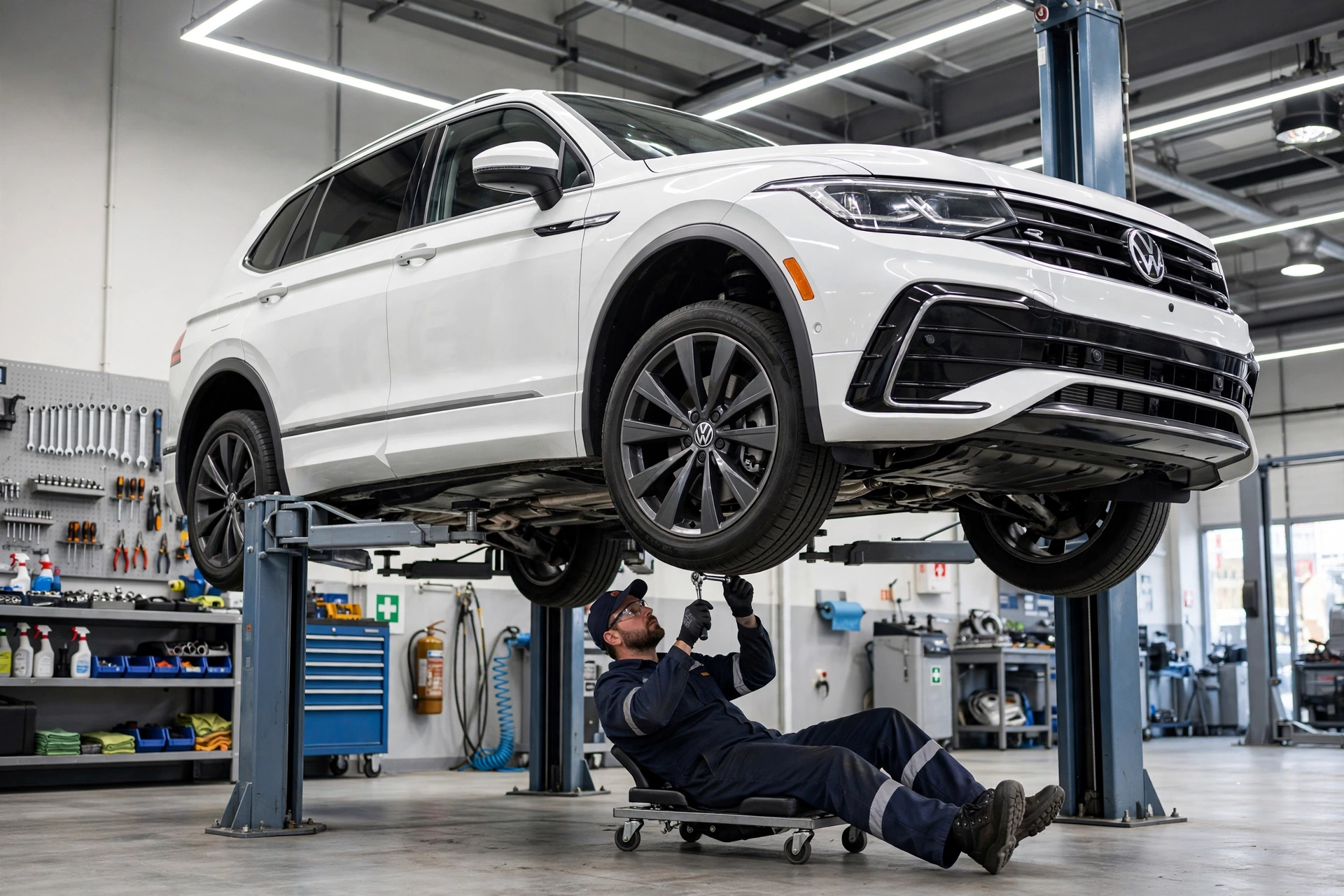
With a Volkswagen, you’ll need to budget for more than just the regular oil change. Over time, the owner will need to replace parts of the cooling system, suspension, brakes, batteries, sensors, ignition or other parts that are aging. While the average annual repair and maintenance cost from RepairPal is approximately $676 for the entirety of the vehicle, it is important to keep in mind that costs will differ based on the model and location.
One of the most effective ways to diminish unnecessary issues is to adhere to the manufacturer’s maintenance plan. It is also important for the buyer to have documentation of work performed and to investigate warning lights promptly. While preventive maintenance won’t guarantee that each and every failure will be avoided, it does minimize the chances of little issues becoming big repairs.
Conclusion: How reliable are the Volkswagen Cars?

Volkswagen cars are reliable, but not completely trouble-free. Different models or model years have different levels of reliability. The Jetta and the Golf demonstrate great reliability in some datasets, but need to be studied more closely in others to determine if they have any issues with its generations. The Tiguan and Atlas need some further digging to find out if there are any reliability issues with its generation or not.
Overall, Volkswagen is a brand that only comes from those who have done their job well, and are being careful when buying. While a properly serviced VW can deliver years of reliable service and can accumulate high mileage, they will need some maintenance and occasional repairs. When purchasing a used Volkswagen, it is important to examine the service record, make sure to know the exact year and model, perform a comprehensive check-up and plan for future service needs.