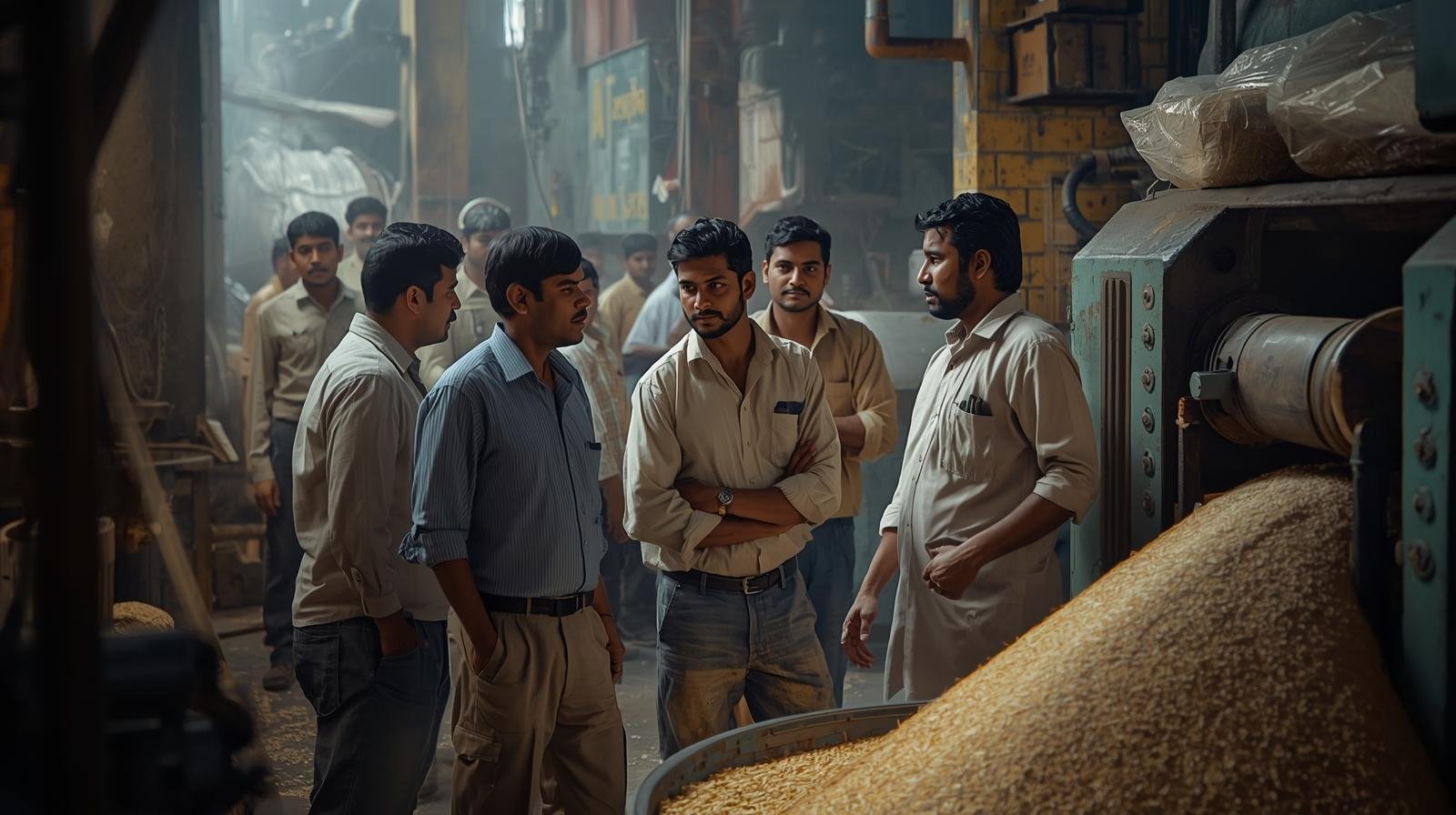
Imagine this situation. You invest in new equipment after carefully comparing specifications and the rice mill machine price. Everything looks reasonable. The machine fits your budget. The numbers seem to work. A year or two later, you realise the actual cost of running that machine feels far higher than expected. Spare parts cost more. Downtime increases. Energy bills climb. Maintenance becomes frequent. Suddenly, the original rice mill machine price no longer reflects the true financial impact on your business.
This experience is more common than many mill owners expect. The purchase price is only one part of the story. Several hidden factors quietly influence how much a machine really costs you over time. Understanding these elements can help you make better decisions and protect long-term profitability.
6 Unseen Factors That Drive Up Rice Mill Machine Price Over Time
When buyers evaluate the rice mill machine price, most attention naturally goes to the initial quotation. However, the long-term cost of ownership often depends on conditions that are easy to overlook during the purchase stage. Let us look at six important factors.
- Energy Consumption That Looks Small but Adds Up
Energy usage rarely appears dramatic in brochures or sales discussions. Even slight differences in power efficiency can create a large gap in operating expenses over the years of continuous use. Machines that lack efficient motors or smart power management systems may consume more electricity during daily operations.
At first, the rice mill machine prices may seem attractive. Over time, higher energy bills steadily increase the real cost of that investment. Many buyers only notice this impact when monthly expenses start affecting margins. Energy efficiency, therefore, plays a direct role in the true rice mill machine price you experience.
- Wear and Tear Due to Grain Quality Variations
Rice mills in India handle paddy from different regions, seasons, and suppliers. Grain characteristics such as moisture content, hardness, and impurities vary significantly. Machines that struggle to adapt to these variations often face faster component wear.
Frequent replacement of rollers, screens, and other parts raises maintenance expenses. These costs do not show up in the original rice mill machine price, yet they strongly influence long-term economics. A machine designed for durability and tolerance to grain variation can reduce such financial pressure.
- Spare Parts Availability and Cost Fluctuations
Spare parts pricing and availability directly affect machine running costs. If critical components are difficult to source or depend on limited suppliers, you may face higher prices and longer waiting periods. Import dependence can further expose buyers to currency fluctuations and logistics delays.
Unexpectedly high spare part expenses alter the practical rice mill machine price over time. Delays also increase downtime, which adds indirect losses through interrupted production. Buyers who assess spare part ecosystems early often avoid these complications later.
- Downtime That Disrupts Production Cycles
Machine downtime represents one of the most underestimated cost drivers in rice milling. Breakdowns, slow repairs, or recurring technical issues interrupt production schedules and strain delivery commitments. Even short stoppages can create ripple effects across procurement, labour, and customer relationships.
Although downtime does not change the invoice value, it significantly affects the effective rice mill machine price from a business perspective. Lost production hours translate into lost revenue opportunities. Machines built with robust engineering and reliable control systems usually help minimise this risk.
- Maintenance Complexity and Technical Dependence
Some machines demand frequent adjustments, specialised tools, or highly skilled technicians. This increases dependence on specific personnel and external service support. Maintenance complexity also raises the likelihood of incorrect handling, which can worsen wear and operational inefficiencies.
A seemingly competitive rice mill machine price can become misleading if maintenance demands remain high throughout the machine’s life. Simpler designs with accessible components and clear diagnostics often deliver better long-term value.
- Gradual Efficiency Loss That Goes Unnoticed
Machines do not always fail dramatically. Performance can slowly decline due to misalignment, component fatigue, or calibration drift. Reduced throughput, increased breakage, or inconsistent output quality may develop gradually and remain unnoticed for months.
Such efficiency losses silently increase the real rice mill machine price by affecting yield and productivity. Regular monitoring and performance evaluation become essential to prevent this hidden cost escalation.
Things Buyers Should Do to Keep Rice Mill Machine Price from Shooting Up
While many long-term cost factors seem beyond control, buyers can take practical steps to manage financial risks. Thoughtful planning at the evaluation and operation stages helps stabilise the rice mill machine price in real terms.
• Examine energy efficiency ratings and typical power consumption under realistic operating loads
• Discuss expected wear patterns based on your paddy sources and processing volumes
• Verify spare part availability, lead times, and typical replacement costs
• Evaluate machine design for ease of maintenance and accessibility of components
• Understand service support structure and response mechanisms for technical issues
• Monitor throughput, grain quality, and breakage levels at regular intervals
• Train operators to recognise early signs of abnormal performance
• Maintain proper installation conditions, including alignment and vibration control
• Track operating costs rather than focusing only on the initial rice mill machine price
• Consider long-term reliability alongside the quoted rice mill machine price
These considerations do not eliminate expenses, but they help prevent unpleasant financial surprises.
Conclusion
For any rice mill business, the rice mill machine price naturally shapes purchasing decisions. However, the initial figure rarely captures the complete economic picture. Energy consumption, spare parts dynamics, maintenance patterns, downtime risks, and gradual efficiency changes all influence how much a machine truly costs you over its life.
Buyers who recognise these unseen factors often make more confident and sustainable investments. Instead of viewing the rice mill machine price as a one-time number, it is wiser to see it as a long-term financial relationship with your equipment. A well-evaluated machine protects productivity, controls operating costs, and supports business stability. In a competitive industry, such clarity can make a meaningful difference.