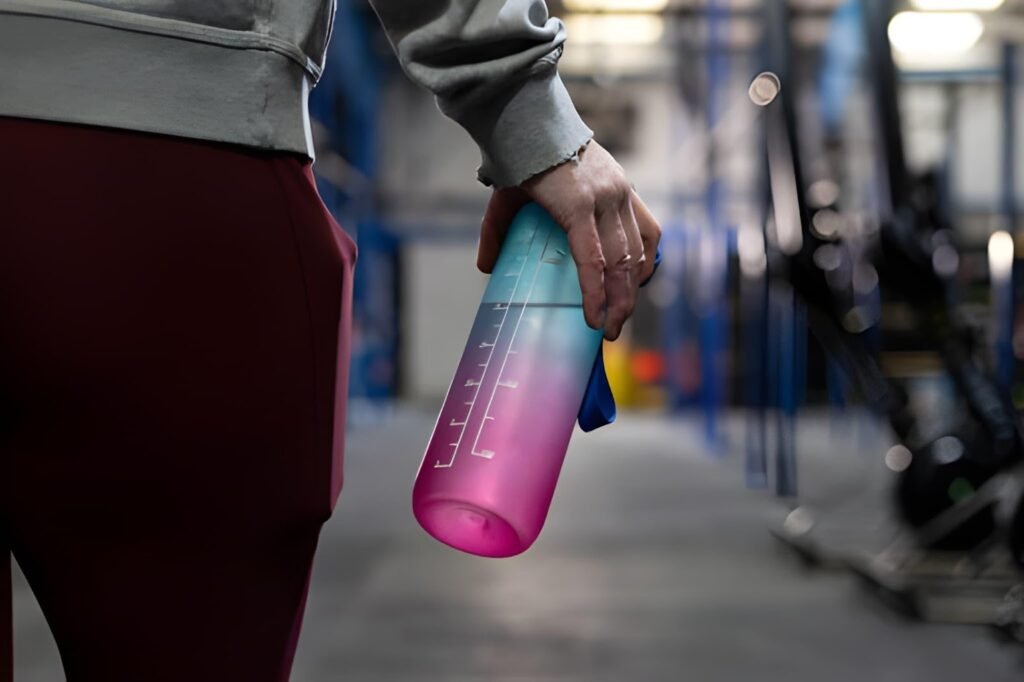
Hydration is one of the most important yet overlooked components of a healthy lifestyle. While most people know they should drink enough water daily, they often struggle with how to measure it. That’s where understanding water bottle measurements becomes essential. From ounces and liters to gallons and even bottle dimensions, each measurement plays a role in helping you stay on track with your daily water intake.
In this article, We will covers everything you need to understand water bottle measurements clearly and accurately.
Why Tracking Water Intake Matters
Proper hydration helps with:
- Improved energy levels
- Better digestion
- Healthy weight management
- Clearer skin
- Proper body temperature regulation
- Better joint health
However, you can only track your hydration correctly if you know how much your water bottle actually holds. That means understanding measurements like ounces and liters is crucial.
Understanding Water Bottle Measurements
Different bottles use different measurement systems depending on the brand and region. Here’s a breakdown of the most common ones:
1. Ounces (Oz) – Most Used in the United States
Many people ask, “How many oz in a water bottle?” because ounces are the standard unit for measuring liquids in the U.S.
Common ounce-based bottle sizes include:
- 12 oz small bottle
- 16.9 oz standard single-use bottle
- 20 oz active bottle
- 24 oz medium-size reusable bottle
- 32 oz sports bottle
- 40 oz and above for heavy hydration
2. Liters – Popular Worldwide and in Fitness Bottles
Liters are more common internationally and in reusable bottles, especially those used for fitness.
Standard liter-based bottle sizes:
- 0.5 L (500 ml)
- 0.75 L
- 1 L
- 1.5 L
3. Gallons – Best for Tracking Daily Water Goals
A big question many people ask is: How many water bottles is a gallon?
A gallon in the U.S. equals 128 ounces.
Depending on your bottle size:
- If your bottle is 16.9 oz → you need around 7.5 bottles
- If your bottle is 32 oz → you need 4 bottles
- If your bottle is 1 liter →4 liters ≈ 1 gallon
4. Dimensions – How Many Inches Is a Water Bottle?
Bottle height matters for storage, portability, and cup holder compatibility.
Typical heights:
- 16.9 oz bottle: ~8 inches
- 24 oz bottle: ~9–10 inches
- 32 oz bottle: ~10–11 inches
How to Choose the Right Bottle Size for Your Health Goals
Your choice of water bottle depends on your lifestyle, fitness routine, and daily schedule. Here’s how different sizes fit different needs:
For Home & Office Use
A 1-liter or 32 oz bottle ensures you drink enough without constant refilling.
For Travel
Smaller 16–20 oz bottles are easier to carry.
For the Gym
24–40 oz bottles support heavy sweating and high hydration demands.
For Daily Gallon Drinking Goals
A 64 oz or full 1-gallon bottle helps you stay on track.
Benefits of Using a Measured Water Bottle
Measured bottles help track intake without guesswork. Many feature:
- Side measurement markers
- Time-based drinking goals
- Insulation for temperature control
These features encourage consistent hydration, leading to better health outcomes.
Daily Water Intake: How Much Should You Drink?
While needs vary, general guidelines include:
- Men: 3.7 liters (about 1 gallon)
- Women: 2.7 liters
Factors like temperature, weight, and activity level can increase your needs.
Final Thoughts
Understanding water bottle measurements ounces, liters, gallons, and even inches—gives you the power to accurately track your water intake and stay healthy. Whether you’re using a small plastic bottle or a large stainless steel jug, knowing what each measurement means helps you build a consistent hydration habit.