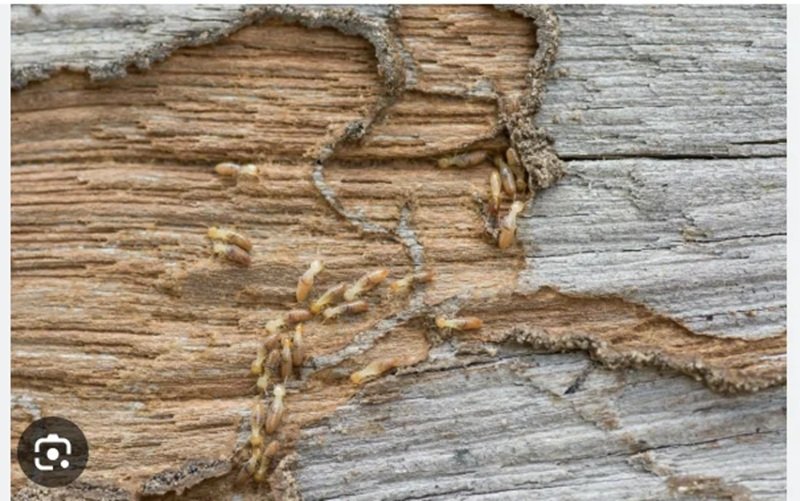
Introduction to Termites and Their Behavior
Termites are small insects that primarily feed on wood and other cellulose-based materials. Despite their tiny size, they pose a significant threat to both residential and commercial properties. These pests live in colonies and work quietly, often causing damage before their presence is noticed. Understanding termite behavior is crucial for effective prevention and control in the cleaning services industry, notes leading property management Bellevue WA company, T-square Real Estate Services.
Types of Termites Commonly Found
There are several species of termites, but the most common types include subterranean, drywood, and dampwood termites. Subterranean termites live underground and build mud tubes to reach their food source. Drywood termites infest dry wood, often found in furniture or structural timber. Dampwood termites prefer moist, decayed wood. Each type requires different treatment methods, making accurate identification important.
Signs Indicating a Termite Infestation
Early detection of termite activity can save property owners from extensive damage. Some signs include the presence of mud tubes, hollow-sounding wood, discarded wings near windows or doors, and small piles of frass (termite droppings). Regular inspections by cleaning and pest control professionals help identify these signs promptly.
The Damage Caused by Termites
Termites consume wood from the inside out, often leaving the surface intact while hollowing out the interior. This hidden damage compromises the structural integrity of buildings, furniture, and other wooden items. Over time, unchecked infestations can lead to costly repairs and potential safety hazards.
Prevention Strategies for Termite Control
Preventing termite infestations involves multiple approaches. Maintaining proper ventilation and reducing moisture buildup in and around buildings can deter termites. Sealing cracks and gaps in foundations, removing wood debris, and keeping firewood away from structures are also effective preventive measures. Educating property owners about these strategies is a key role of cleaning services.
Treatment Options Available for Termite Elimination
When termite infestations are detected termite professional treatment is essential. Common treatments include liquid termiticides, baiting systems, and fumigation. Each method targets termites differently, and professionals choose the best option based on the severity and type of infestation. DIY treatments are generally ineffective and may exacerbate the problem.
The Role of Regular Inspections in Managing Termites
Scheduling regular inspections can help identify termite activity before significant damage occurs. Cleaning service providers often work alongside pest control experts to conduct thorough inspections, especially in termite-prone regions. Early detection allows for timely treatment and minimizes repair costs.
How Cleaning Services Enhance Termite Prevention
Cleaning services contribute significantly to termite prevention by maintaining clean and dry environments. Removing clutter, wood scraps, and excess moisture reduces termite attractants. Proper sanitation and waste management practices make properties less hospitable to these pests.
When to Seek Professional Help
If you notice any signs of termite presence or suspect an infestation, contacting professional pest control services immediately is critical. Early intervention prevents further damage and ensures effective treatment.
Conclusion
Termites are destructive pests that require vigilant management to protect properties. Through awareness, prevention, regular inspections, and professional treatment, homeowners and businesses can minimize risks associated with termite infestations. Cleaning services play an essential part in this process by maintaining environments that discourage termite activity.