Before choosing any facial surgery it is natural to want clear and trustworthy information. The nose plays a central role in facial balance breathing and overall appearance which makes rhinoplasty one of the most personal and carefully considered cosmetic procedures. Rhinoplasty commonly referred to as a nose reshaping surgery has been performed for decades and remains one of the most popular facial plastic surgeries in the United States. According to the American Society of Plastic Surgeons rhinoplasty consistently ranks among the top cosmetic surgical procedures nationwide.
For many people rhinoplasty is not only about aesthetics. It can improve nasal function enhance confidence and restore facial harmony. Understanding how the procedure works its benefits and the recovery process helps patients approach the decision with confidence and realistic expectations.
What Rhinoplasty Actually Is
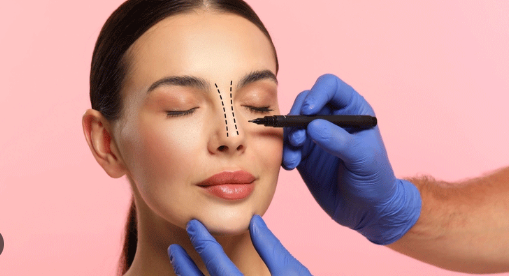
Rhinoplasty is a surgical procedure designed to reshape or correct the structure of the nose. It can address cosmetic concerns such as size shape symmetry or profile while also correcting functional issues like breathing difficulties caused by a deviated septum or nasal obstruction.
According to the American Academy of Facial Plastic and Reconstructive Surgery rhinoplasty may involve modifying bone cartilage skin or a combination of these structures. Each procedure is customized based on the individual anatomy and desired outcome.
Rhinoplasty can be performed for aesthetic reasons functional reasons or both. Cosmetic rhinoplasty focuses on improving appearance while functional rhinoplasty aims to enhance airflow and nasal breathing. Many patients benefit from a combination of both approaches.
How the Surgical Process Works
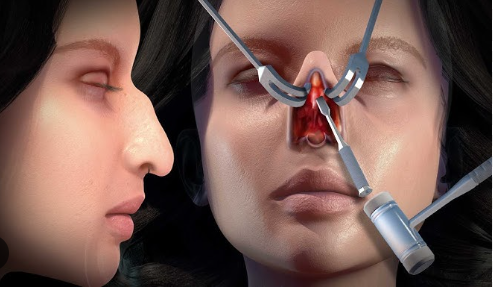
Rhinoplasty is typically performed under general anesthesia in an accredited surgical facility. The surgeon accesses the nasal structures either through incisions inside the nostrils or through a small incision at the base of the nose depending on the complexity of the procedure.
The Mayo Clinic explains that surgeons reshape the underlying bone and cartilage to achieve the planned result. In some cases cartilage may be removed repositioned or added using grafts from the patient own body. Once the desired shape is achieved the skin is redraped and incisions are carefully closed.
The length of surgery varies based on complexity but most procedures last between one and three hours. Precision and surgical experience play a critical role in achieving natural looking results.
Is Rhinoplasty Permanent
Rhinoplasty provides long lasting and often permanent results. Once the nose has healed the new structure remains stable over time. The United States Food and Drug Administration recognizes rhinoplasty as a permanent surgical alteration of nasal anatomy.
While swelling may take several months to fully resolve most patients see noticeable improvements within weeks. Subtle refinements continue to develop over the first year as tissues settle. Aging may affect the nose naturally but the surgical changes remain intact.
Advanced Surgical Care at Beverly Hills Rhinoplasty Center
Beverly Hills Rhinoplasty Center is a specialized facial surgery practice dedicated exclusively to nasal aesthetics and function. The center focuses on precision driven rhinoplasty techniques that respect facial proportions and natural beauty.
Serving patients from Beverly Hills and surrounding areas the center offers personalized surgical plans tailored to each individual facial structure and goals. Every procedure is designed to balance appearance breathing and long term satisfaction using modern surgical methods and advanced planning.
Safety and Medical Backing
Rhinoplasty is considered safe when performed by a board certified facial plastic surgeon in an accredited surgical environment. According to the Cleveland Clinic most patients experience temporary swelling bruising and mild discomfort that resolves gradually during recovery.
Serious complications are uncommon but can include infection bleeding or breathing issues. These risks are minimized through proper patient selection surgical expertise and adherence to postoperative care instructions.
Rhinoplasty has been studied extensively and is recognized as a standard procedure in facial plastic surgery with decades of clinical research supporting its effectiveness.
Benefits Beyond Appearance
While many people seek rhinoplasty for cosmetic improvement the benefits often extend beyond aesthetics. Improved nasal airflow can enhance sleep quality physical activity and overall comfort.
Patients frequently report increased self confidence and satisfaction with their appearance. Psychological studies published by the National Institutes of Health show that facial cosmetic surgery can positively impact self esteem when performed responsibly and for well informed patients.
Balanced facial proportions can also influence how others perceive facial expressions and symmetry leading to a more harmonious appearance.
What to Expect Before Surgery
A comprehensive consultation is essential before rhinoplasty. During this visit the surgeon evaluates facial structure nasal anatomy breathing function and skin thickness. Medical history is reviewed to ensure safety and suitability for surgery.
Photographic analysis and digital imaging may be used to discuss potential outcomes. According to the American Society of Plastic Surgeons clear communication during consultation is one of the most important factors in patient satisfaction.

Patients are typically advised to stop smoking avoid certain medications and maintain good overall health prior to surgery. Following preoperative instructions helps reduce risks and support smooth healing.
Aftercare and Recovery
Recovery after rhinoplasty occurs in stages. Initial swelling and bruising peak within the first week and gradually improve. A nasal splint may be worn temporarily to support healing.
The Cleveland Clinic notes that most patients return to work and daily activities within ten to fourteen days. Strenuous exercise and contact activities should be avoided for several weeks.
Proper aftercare including rest hydration and follow up visits plays a vital role in achieving optimal results. Final outcomes continue to refine over several months as swelling fully subsides.
Who Is a Good Candidate
Ideal candidates for rhinoplasty are individuals in good health with realistic expectations. Facial growth should be complete which is why surgery is usually recommended after the mid teenage years.
Candidates may seek correction for nasal asymmetry a prominent bridge wide nostrils or breathing issues. A professional consultation determines whether surgical intervention is appropriate and beneficial.
Rhinoplasty should be approached as a thoughtful personal decision rather than an impulsive choice.
Making an Informed Decision
Choosing rhinoplasty is a significant step that blends artistry medical science and personal goals. Understanding the procedure recovery process and expected outcomes allows patients to make confident decisions rooted in knowledge rather than uncertainty.
When performed by an experienced specialist rhinoplasty can deliver natural lasting improvements that enhance both appearance and function. Education preparation and expert care are essential elements of success.
Conclusion
Rhinoplasty is a transformative facial procedure that combines surgical precision with aesthetic judgment. It offers permanent structural improvement enhanced breathing and renewed confidence when performed responsibly. By understanding the medical science benefits and recovery involved individuals can approach rhinoplasty with clarity and confidence. With continued advancements in facial plastic surgery rhinoplasty remains one of the most refined and trusted procedures for achieving facial harmony and functional balance.