Advancements in reproductive medicine have significantly improved the chances of successful pregnancies for many couples facing fertility challenges. One of the most important innovations in this field is Pre-Implantation Genetic Testing (PGT), a technique used during in vitro fertilization to evaluate the genetic health of embryos before they are transferred to the uterus. This advanced screening method helps identify genetic abnormalities, allowing specialists to select embryos with the best potential for a healthy pregnancy. Many couples exploring fertility treatments at an IVF Centre are now learning about the benefits of genetic testing and how it can support more informed decisions during the IVF journey.
What Is Pre-Implantation Genetic Testing?
Pre-Implantation Genetic Testing is a laboratory technique used to examine embryos created through IVF for specific genetic conditions or chromosomal abnormalities. The purpose of this testing is to identify embryos that are genetically healthy before implantation. By doing so, fertility specialists can increase the chances of a successful pregnancy and reduce the risk of certain inherited conditions.
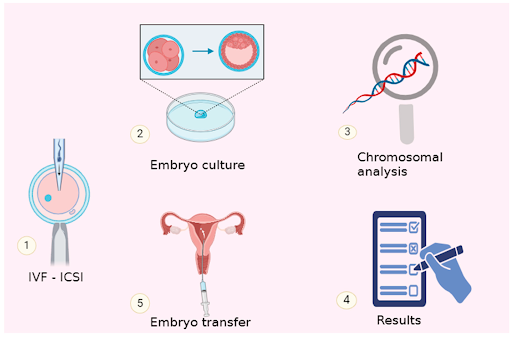
During an IVF cycle, eggs are retrieved from the ovaries and fertilized with sperm in a controlled laboratory environment. As the embryos develop over several days, a few cells are carefully taken from each embryo for genetic analysis. This process does not harm the embryo and allows experts to evaluate its genetic structure. The embryos with normal genetic results are then selected for transfer, improving the likelihood of implantation and healthy fetal development.
The Role of Genetic Testing in IVF Treatment
Pre-Implantation Genetic Testing plays an important role in improving the effectiveness of IVF treatments. One of the primary goals of IVF is to create healthy embryos that can successfully implant in the uterus and lead to a full-term pregnancy. However, not all embryos are genetically normal, and chromosomal abnormalities can sometimes prevent implantation or cause pregnancy complications.
By using genetic testing, fertility specialists can identify embryos that have the correct number of chromosomes. This allows them to select embryos that are more likely to develop normally. Couples often consult an experienced IVF Doctor who works closely with specialists at an IVF Centre to determine whether genetic testing is appropriate for their treatment plan and reproductive goals.
Types of Pre-Implantation Genetic Testing
There are different types of Pre-Implantation Genetic Testing, each designed to detect specific genetic conditions. One common type focuses on identifying chromosomal abnormalities that may affect embryo development. This type of testing helps detect missing or extra chromosomes that could lead to implantation failure or miscarriage.
Another type of testing is used when there is a known genetic disorder in the family. In these cases, the embryos are screened for specific inherited conditions so that only unaffected embryos are selected for transfer. There is also a type of genetic testing that checks for structural changes in chromosomes, which can sometimes occur when one of the parents carries a balanced chromosomal rearrangement.
These different forms of testing allow fertility specialists to tailor the IVF process according to the unique needs of each couple.
Benefits of Pre-Implantation Genetic Testing
Pre-Implantation Genetic Testing offers several important benefits for individuals undergoing IVF treatment. One of the most significant advantages is the ability to improve the chances of a successful pregnancy. By selecting genetically healthy embryos, the likelihood of implantation increases, and the chances of miscarriage may decrease.
Another benefit is the reduction of the risk of passing certain inherited genetic conditions to the child. Couples who have a family history of genetic disorders often choose this testing to ensure that their future child is not affected by these conditions.
Genetic testing can also help shorten the time required to achieve a successful pregnancy. Because embryos are carefully screened before transfer, fertility specialists can select those with the highest potential for healthy development, which may reduce the need for multiple IVF cycles.
Who Can Benefit from Pre-Implantation Genetic Testing?
Pre-Implantation Genetic Testing may be recommended for various groups of patients undergoing IVF treatment. Couples with a history of repeated IVF failures may benefit from genetic testing to identify embryos with the best chances of successful implantation.
Women of advanced maternal age may also be advised to consider this testing because the risk of chromosomal abnormalities tends to increase with age. In addition, couples who carry inherited genetic conditions may use this technology to reduce the risk of passing those conditions to their children.
Individuals who have experienced recurrent pregnancy loss may also benefit from genetic screening of embryos. Identifying genetically healthy embryos can help improve the chances of a successful pregnancy in these situations.
The Process of Pre-Implantation Genetic Testing
The process of Pre-Implantation Genetic Testing is integrated into the IVF cycle. After eggs are retrieved and fertilized, the embryos are allowed to grow in the laboratory for several days until they reach a stage suitable for testing. At this stage, a few cells are gently removed from the outer layer of the embryo.
These cells are then analyzed in a specialized laboratory using advanced genetic technologies. The embryos themselves are carefully preserved while the genetic testing results are processed. Once the results are available, fertility specialists select the embryos with healthy genetic profiles for transfer into the uterus.
The embryo transfer procedure is typically simple and does not require surgery. The selected embryo is placed into the uterus to achieve implantation and pregnancy.
Advances in Genetic Testing and Fertility Care
Genetic science continues to evolve, bringing new advancements to fertility treatments. Modern genetic testing technologies are becoming more accurate and efficient, allowing specialists to detect genetic abnormalities with greater precision.
These advancements are helping improve IVF success rates while also providing couples with more information about the health of their embryos. As research continues, genetic testing is expected to play an even greater role in personalized fertility care. This progress offers hope to many couples seeking safe and effective solutions for building their families.
Conclusion
Pre-Implantation Genetic Testing has become an important component of modern IVF treatment. By allowing specialists to evaluate the genetic health of embryos before implantation, this technology helps improve the chances of a successful pregnancy while reducing the risk of certain genetic conditions. It provides valuable insights that support informed decision-making during the fertility journey.
For many couples, genetic testing offers reassurance and confidence as they move forward with IVF treatment. With continued advancements in reproductive medicine and genetic science, Pre-Implantation Genetic Testing is playing a key role in helping individuals and families achieve their dream of a healthy pregnancy and a growing family.

