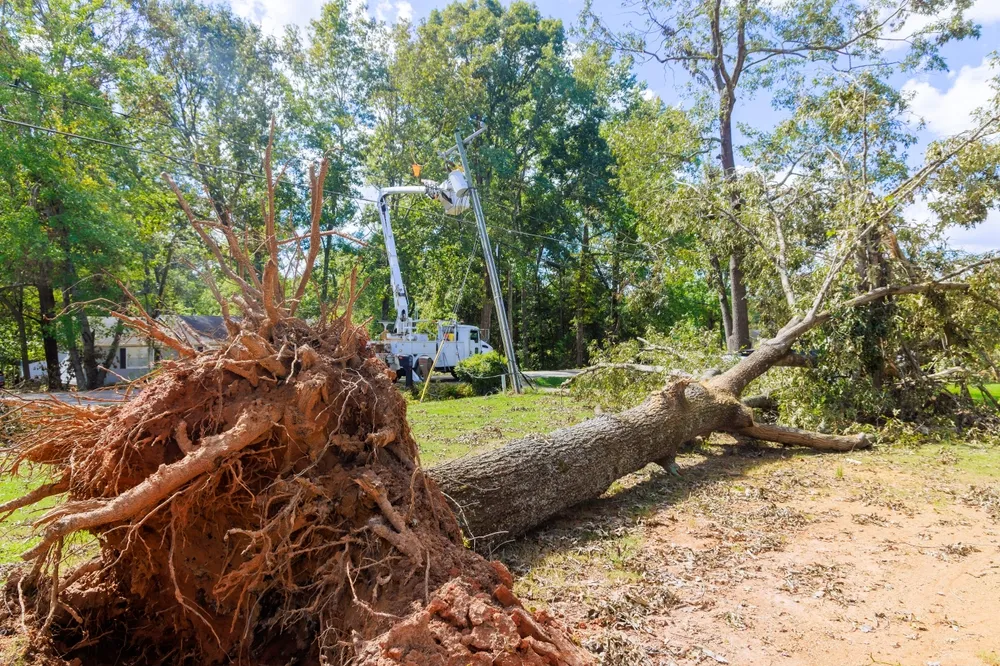
Trees are the lungs of our planet and the crown jewels of our landscaping. They provide shade, improve air quality, and increase property value. However, there comes a delicate tipping point when a tree transforms from a landscape asset into a significant liability.
Whether due to storm damage, disease, or landscape renovation, tree removal is a major decision that homeowners must face. It is not merely about chopping down wood; it is a complex operation involving physics, biology, and strict safety protocols.
In this guide, we will explore the critical signs that a tree needs to go, the hidden dangers of DIY removal, cost factors, and how to hire the right professional arborist for the job.
Assessing the Situation – When is Tree Removal Necessary?
Deciding to remove a living organism from your property can be emotional, but prioritising safety is paramount. Trees often give subtle (and sometimes not-so-subtle) warnings before they fail. Ignoring these signs can lead to property damage or personal injury.
1. Structural Instability and Leaning
Not all leaning trees are dangerous; some grow at an angle naturally to seek sunlight. However, a sudden lean indicates root failure. If you notice a tree leaning more than 15 degrees, or if the soil around the base is heaving or cracking (a sign of the root plate lifting), immediate emergency tree service may be required.
2. Severe Disease and Decay
Trees are living beings susceptible to infections. While some diseases can be treated, others are fatal. Look for these red flags:
- Cavities and Hollows: If the trunk is hollow, the structural integrity is compromised.
- Fungal Growth: Large mushrooms growing at the base of the tree usually indicate interior rot.
- Dead Branches (Dieback): If the top canopy is losing leaves and branches are brittle (a condition known as “crown dieback”), the tree is likely in decline.
3. Encroachment and Infrastructure Damage
Sometimes a tree is healthy, but it’s simply in the wrong place. Roots can wreak havoc on your home’s foundation or crack your concrete surfaces. After removing the tree and repairing the damage, you might even consider painting your driveway to fully restore your home’s curb appeal. Furthermore, branches growing too close to power lines pose a severe fire hazard and usually require utility-approved hazardous tree removal.
Pro Tip: If more than 50% of the tree is damaged or diseased, removal is usually the only viable option. An ISA-certified arborist can perform a risk assessment to confirm this.
The Hidden Dangers of DIY Tree Removal
In the age of YouTube tutorials, it is tempting to rent a chainsaw and attempt to save money. However, tree removal is statistically one of the most dangerous professions in the world. For an untrained homeowner, it can be lethal.
The Physics of Falling Timber
Predicting exactly where a tree will fall requires an understanding of weight distribution, lean, and wind dynamics. A tree that looks like it will fall “that way” can easily twist and fall backward due to a rotten hinge or a gust of wind, landing on your house or your neighbour’s car.
The “Kickback” Risk
Chainsaws are powerful tools that demand respect. “Kickback” occurs when the tip of the bar hits an object, throwing the saw violently back toward the operator. Without proper protective gear (PPE) like chaps and helmets, and a proper stance, this can result in catastrophic injury.
Ladder Dangers
Using a chainsaw while balanced on a ladder is a recipe for disaster. As soon as a limb is cut, the tree’s weight shifts, often causing the trunk to shake violently. This vibration can easily knock a ladder loose. Professionals use ropes, harnesses, and bucket trucks, never just a ladder, to access high branches.
The Professional Tree Removal Process
When you hire a licensed tree service, you aren’t just paying for muscle; you are paying for a systematic, insured process designed to protect your property.
Step 1: Site Assessment and Preparation
The crew determines the “drop zone” and identifies obstacles like fences, pools, or flowerbeds. They may lay down plywood mats to protect your lawn from heavy machinery.
Step 2: Climbing and Rigging
For large trees near structures, simply felling the tree at the base isn’t an option. The tree must be dismantled piece by piece. Climbers ascend the tree and use ropes and pulleys (rigging) to lower cut branches to the ground rather than letting them crash down.
Step 3: Felling the Trunk
Once the canopy is removed, the trunk is cut down into sections. If space allows, the remaining trunk might be felled in one piece using precise notch cuts to control the direction of the fall.
Step 4: Stump Grinding vs. Removal
Once the tree is gone, you are left with the stump. You generally have two options:
- Stump Grinding: A machine shreds the stump down 6 to 12 inches below soil level. This is the most common and cost-effective method. However, this process often leaves a bare patch of soil. If you plan to reclaim this area for your lawn, it is worth researching the difference between Buffalo Grass and Sir Walter to ensure you choose the best turf for that new sunny spot.
- Full Stump Removal: This involves digging out the entire root ball. It is much more expensive and labour-intensive, but necessary if you plan to build a structure on that exact spot.
Understanding Tree Removal Costs
“How much does it cost to cut down a tree?” is the most common question homeowners ask. Because every tree is unique, flat rates are rare. Here are the primary factors that influence the final quote:
- Height and Diameter: Taller and thicker trees require more labour, time, and equipment.
- Accessibility: A tree located in a front yard with easy street access is cheaper to remove than a tree in a fenced backyard that requires a crane to lift sections over the house.
- Condition of the Tree: A dead, rotting tree is unstable and dangerous to climb, often requiring more complex rigging or specialised equipment, which can increase the price.
- Location: Living in an area with a higher cost of living or higher insurance premiums for contractors will affect the price.
- Emergency Services: If a tree has fallen on your house at 2:00 AM during a storm, expect to pay a premium for emergency tree removal.
Estimated Price Ranges (Industry Averages):
- Small Trees (up to 30 ft): $250 – $500
- Medium Trees (30–60 ft): $500 – $1,000
- Large Trees (60–80 ft): $1,000 – $2,000+
- Extra Large/Hazardous Trees: $3,000+
Navigating Permits and Regulations
Before scheduling the chainsaws, you must check your local laws. Many cities and municipalities have strict tree preservation orders (TPOs) or ordinances protecting specific species (like Oaks or heritage trees) or trees of a certain diameter.
Removing a protected tree without a permit can result in fines ranging from hundreds to tens of thousands of dollars. A reputable tree service company will usually handle the permit application process for you or advise you on the regulations in your specific area.
How to Hire the Right Tree Service Company
Not all “tree guys” are created equal. To avoid liability and property damage, you must vet your contractor carefully.
1. Verify Insurance
This is non-negotiable. The company must have General Liability Insurance (to cover damage to your home) and Worker’s Compensation (to cover injuries to its crew). If they don’t have Worker’s Comp and a worker gets hurt on your land, you could be liable. Ask to see the certificate of insurance directly from their agency.
2. Check for Certification
Look for an ISA Certified Arborist (International Society of Arboriculture). This certification ensures the individual has passed rigorous exams on tree biology, safety, and maintenance.
3. Ask About Equipment
Ask how they plan to access the tree. If they mention using “spikes” (climbing gaffs) on a tree you are only pruning, send them away. Spikes damage healthy trees. However, for tree removal, spikes are acceptable.
4. Get a Written Estimate
Never accept a verbal quote. Ensure the written estimate details exactly what is included:
- Is debris removal included?
- Is stump grinding included?
- Will they cut the wood into logs for firewood for you?
Conclusion: Safety First, Scenery Second
Tree removal is a necessary aspect of property management. It safeguards your home, opens up your landscape, and removes hazards that threaten your family and neighbours. While the cost may seem significant, it pales in comparison to the cost of repairing a crushed roof or recovering from a personal injury attempt at DIY removal.
By recognising the signs of a dying tree early and hiring a certified, insured professional, you ensure the project is handled efficiently and safely.
Is Your Tree a Safety Hazard? Don’t Wait Until It Falls.
If you have a tree that is leaning, showing signs of rot, or growing too close to your home, time is of the essence. Don’t risk your property or your safety.
For homeowners in Western Australia seeking reliability and professionalism, Lakeside Trees and Stumps in Perth is your trusted local expert. Our team of experienced arborists is ready to assess your property, handle complex removals, and provide safe, affordable solutions.