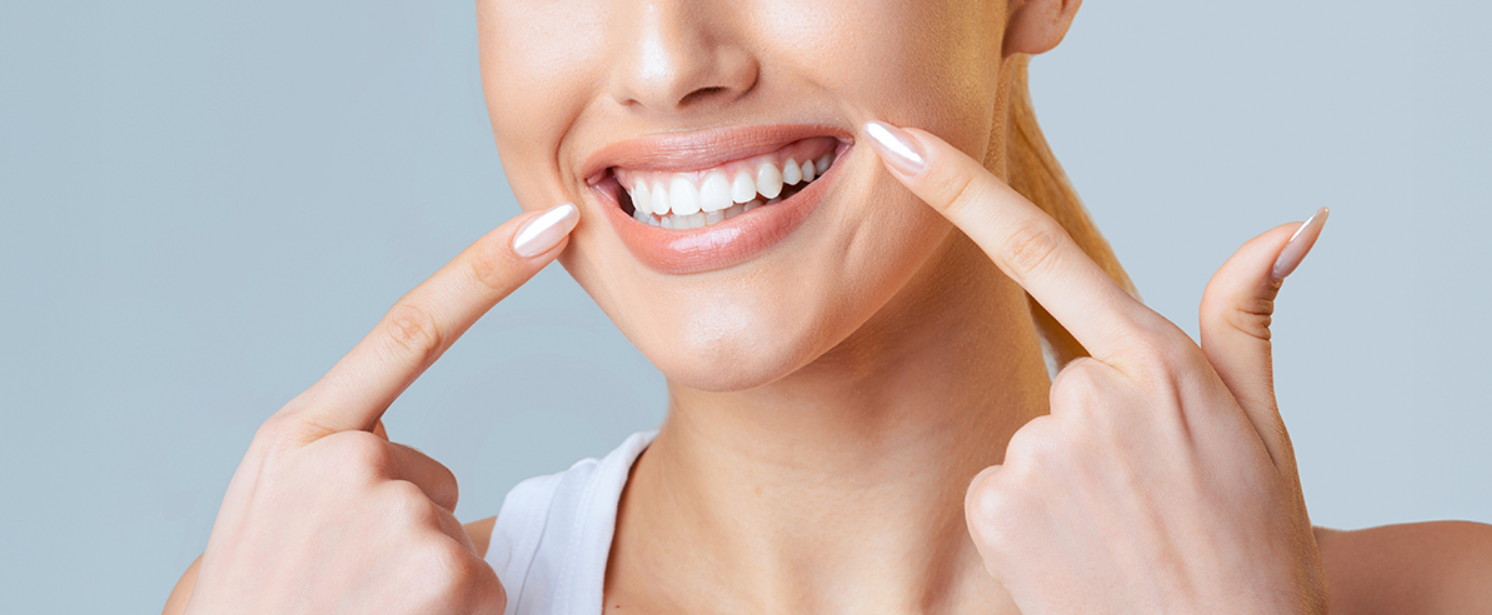
A healthy smile does more than improve appearance. It influences how comfortably you speak, eat, and interact with others. Cosmetic dentistry focuses on improving the look of teeth and gums while supporting overall oral health, using evidence-based treatments that address stains, wear, alignment issues, and surface damage.
For people researching cosmetic dentistry Parramatta, understanding which treatments genuinely work and when professional care is recommended helps avoid wasted time, money, and unnecessary damage to teeth.
What Cosmetic Dentistry Actually Covers
Cosmetic dentistry is often associated with whitening, but it extends far beyond surface-level improvements. Treatments can address tooth colour, shape, spacing, minor alignment concerns, and the appearance of worn or chipped enamel. The key distinction between cosmetic and general dentistry is intent. Cosmetic treatments are elective, but they still rely on sound clinical assessment to protect long-term oral health.
Common cosmetic procedures include professional teeth whitening, veneers, cosmetic bonding, and smile enhancement planning that considers facial balance, bite, and gum health.
Teeth Whitening and What Actually Works
Tooth discolouration is one of the most common cosmetic concerns. Ageing, coffee, tea, red wine, smoking, and certain medications can all contribute to staining over time. According to guidance published by the Cleveland Clinic, not all whitening methods are equally effective or safe.
Whitening toothpaste and rinses
Whitening toothpaste can gradually lighten teeth by one to two shades with consistent use. These products often contain mild abrasives or low concentrations of peroxide that help lift surface stains. Whitening rinses may also contribute to subtle changes, but their contact time with teeth is limited, which reduces their overall effectiveness.
These options suit people looking for slow, modest improvements rather than dramatic changes.
Whitening strips, gels, and trays
Over-the-counter whitening strips and gels use higher concentrations of peroxide and can deliver faster results. When used correctly, visible lightening can occur within days. However, overuse increases the risk of tooth sensitivity and gum irritation. Research also suggests aggressive bleaching may contribute to enamel wear if instructions are ignored.
Tray-based whitening systems deliver even stronger formulations for longer periods. While effective, they should be used cautiously and only as directed.
Professional teeth whitening
In-chair whitening performed by a dentist uses controlled concentrations of whitening agents under professional supervision. This approach produces faster and more noticeable results while reducing risks to enamel and gums.
Professional whitening also allows underlying issues to be identified first. Yellow staining from food and drink responds well to whitening, while grey or brown discolouration may indicate deeper problems that require alternative treatment.
Why Professional Assessment Matters
Cosmetic dentistry is most effective when it starts with a proper dental assessment. Whitening, veneers, or bonding should not be performed on teeth affected by decay, gum disease, or enamel erosion. Addressing these issues first improves both safety and results.
Dentists can also assess whether cosmetic changes will affect bite alignment, tooth sensitivity, or long-term wear. This is especially important for patients considering multiple cosmetic treatments or seeking significant smile changes.
For those looking to explore cosmetic dentistry options, professional guidance helps ensure treatments are appropriate, realistic, and durable rather than purely aesthetic.
Veneers and Cosmetic Bonding
Veneers are thin shells applied to the front surface of teeth to improve colour, shape, and symmetry. They are commonly used for chipped, uneven, or heavily discoloured teeth that do not respond well to whitening.
Cosmetic bonding uses tooth-coloured resin to repair minor chips, gaps, or uneven edges. It is less invasive than veneers and can often be completed in a single appointment, making it suitable for small cosmetic corrections.
Both options require careful planning to ensure they blend naturally with surrounding teeth and do not compromise bite function.
Avoiding DIY and Alternative Whitening Trends
Online remedies such as charcoal powders, apple cider vinegar, oil pulling, or household hydrogen peroxide are often promoted as natural whitening solutions. Clinical evidence does not support their effectiveness, and some can damage enamel or irritate gums.
Whitening products designed for dental use are carefully formulated for safety. Using non-dental substances in the mouth carries unnecessary risk without proven benefit.
Maintaining Results After Cosmetic Treatment
Cosmetic dentistry is not a one-time fix. Maintaining results requires good daily habits and regular dental care. Brushing twice daily, flossing, limiting staining foods and drinks, and attending routine dental check-ups all help extend the lifespan of cosmetic treatments.
Smoking cessation also plays a significant role in preserving tooth colour and gum health over time.
Making Informed Cosmetic Dentistry Decisions
Cosmetic dentistry works best when expectations are realistic and treatments are selected based on individual needs rather than trends. A personalised approach considers tooth structure, gum health, lifestyle habits, and long-term oral wellbeing.
For patients researching cosmetic dentistry in Parramatta, choosing evidence-based treatments guided by professional assessment ensures results that look natural, function well, and support lasting oral health rather than short-term appearance changes.