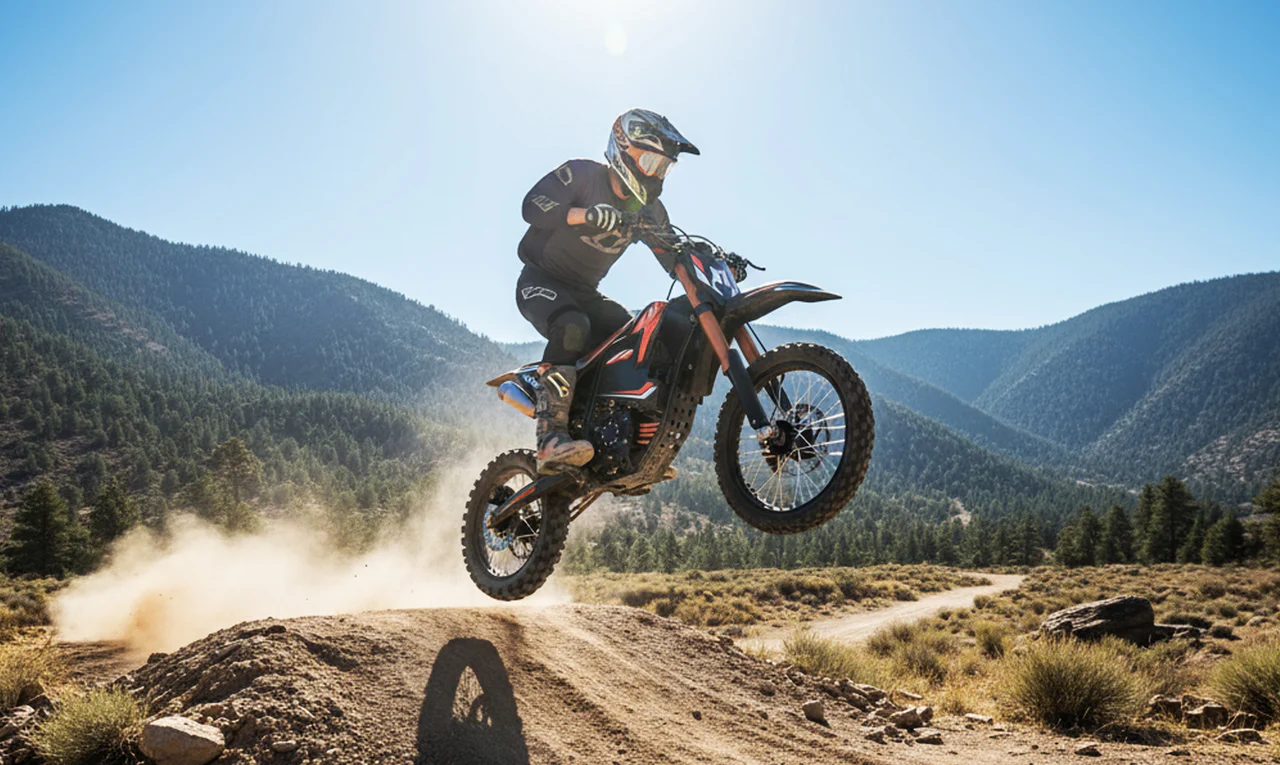
There’s something different about leaving the pavement behind and traveling on dirt trails. Perhaps, it’s the challenge of maneuvering through uneven surfaces. Perhaps, it’s the thought that you’re more present in nature as opposed to going through it. There are countless reasons why trail riding appeals to the masses, and yet year after year, more and more people want to give it a shot—and it’s not as intimidating as it seems.
Even if you don’t consider yourself one for extreme sports, chances are trail riding would suit you. While yes, there are those who tackle daunting challenges like rock crawling and muddy hills, but much of trail riding is relatively tame. It’s designed for travel through wooded paths and scenic views—and you might even get your tires muddy in the process.
The Right Vehicle
One of the most important aspects of getting started is setting up a vehicle. The thing is, your vehicle doesn’t need to be the biggest or most extravagant machine on the market. Instead, you need a vehicle that matches the type of riding you wish to pursue.
For many new riders looking into recreational trail riding, a mid-sized vehicle seems to suffice. You don’t want too much power (i.e., too big or too aggressive) and feel like you’re wrestling with something beyond your skill. But at the same time, you want enough power to get up hills and over bumps.
When looking at an atv for sale Australia, think about where you’ll predominantly be riding. Will you stick close to home on local trails? Do you have property on which to explore? Will it be used more for weekend camping excursions? The type of terrain you anticipate makes a huge difference. Are the trails rocky? Choose something with decent ground clearance and sturdy suspension. Is it sandy? The wider the tires the better! If there will be varied conditions, then find something a bit more versatile without specific tailoring. Remember cargo capacity too just in case longer rides warrant packing essentials.
The Places You’ll Go
What beginners sometimes find the hardest to come by is their riding location. They have their vehicles but where can they go? Thankfully there are more resources than expected.
If you live near a state forest or national park, many have designated trails within the park system. This is a good starting point for inexperienced riders since maintained trails tend to be clear and marked, and a lot of them offer beginner levels with essential skills needed that can ease into challenging dynamics. Some parks even have maps available in advance for rider convenience upon arrival.
Private off-road parks are another solid option worth exploring. Although they charge an entry fee, they boast amazing success with reliably maintained trails, clear rules, and often have restrooms and picnic areas (many private parks are recreationally friendly with riders so there’s no intimidation holding people back, unlike potential unknowns in a state park).
A local riding club could help point out various legal riding spots in your area. They also host group rides and are usually welcoming to any newcomers looking for guidance as they learn the ropes. Riding with others (especially skilled riders) is one of the fastest ways to improve your skills.
What’s Important to Have?
What’s absolutely critical are safety gear essentials. There’s a difference between what’s needed versus what’s nice to have, but safety gear comes down to non-negotiables. In no particular order:
A helmet is an absolute must—off-road quality, not some semblance lying around your home gathering dust—in case of falls, your head is important.
Eye protection is also important—people rarely realize how important it is until it’s too late. Dirt, bugs and branches come at you differently on a trail than on the road and goggles operate better than sunglasses for most trail riding because they’re equipped for any bumps you might encounter because they’re secured around your face.
Gloves protect your hands from blisters while simultaneously giving them better grip on steering while eliminating brush interference. Boots with ankle support prevent injuries if you have to put your foot down unexpectedly while securing stability. A long sleeve shirt and pants minimize scratches, sun exposure and any bumps that happen during falls. None of this safety gear has to be brand name for new riders but it definitely has to be functional for comfort.
Tools and basic supplies can come in handy as well from time to time (small first aid kit, some water, an essential tool kit—even your phone in a waterproof case). Generally speaking, trail rides go off without a hitch but it never hurts to be prepared for minor nuisances.
Building Skills Gradually
Furthermore, everyone starts somewhere—practice makes perfect so enjoy it! Take it easy and find some simple trails that allow you acclimate to yourself and your vehicle. Realize how dirt feels different from pavement; steering will feel different and even braking and acceleration will work differently on loose conditions.
Try starting with hills before attempting larger ones to assess your vehicle’s response in sand versus hard-packed dirt versus gravel. Feel out how much ground clearance is available and what stumps might be rolled over versus what needs to be avoided—ideals that will become second nature over time—but give yourself a break if it takes time!
Group rides can teach you a lot—watch how experienced riders come up to tricky situations, where they position their weight and how they avoid rough patches with ease—typically these experienced riders remember their novice days at some point too.
Trail Etiquette
Part of being a trail rider involves respecting the trails—which keeps them open and can lessen frustration amongst other land managers/recreational users over time.
Stay on designated routes at all times—even if a trail looks appealing, going off-road causes deterioration that could close trails down; there’s a reason they’re marked (seasonal or environmental protection) so stay clear. Pack-out what you pack-in—but take it one step further if you see trash strewn about.
Noise level can be maintained—sure engines make noise but there’s no need for excessive revving near campsites or residential communities; yield to foot travelers or horseback and bike riders because you’re quicker than they are; it’s your responsibility to be courteous.
Manage speed to what’s appropriate for conditions—the goal isn’t to hit a jackpot speed record; there are other recreational users on trails; there are blind corners; take this opportunity slowly and enjoy the travel!
Making It a Regular Habit
Once you get bitten by the trail riding bug (and it’s easy to do), it becomes part of an easy routine—and what’s great about this new hobby is that it conforms to your time commitments. Some people ride every single weekend; some ride once a month; both options are fine.
Join a club or find another rider friend—it’s safer to ride in pairs/trios and it’s more fun—many clubs attempt to organize regular outings and community events (as well as regular trail maintenance days) as part of their culture.
Keep your vehicle clean and maintained in between rides—basic maintenance like checks throughout goes a long way through proactively preventing issues on the trail.
You don’t have to be a mechanic—but if you learn some simple maintenance techniques it saves everyone from sitting beside the road as opposed to staying on-trail.
Trail riding offers certain access to nature like few other activities can—it requires your active presence and effort within it as a means of connecting with the terrain while exploring areas you’d rarely get. Starting off might feel tenuous—but anything worth doing feels that way at first. Respect paths, take it easy at your own pace, respect others, and before you know it, you’ll be looking forward to each opportunity.