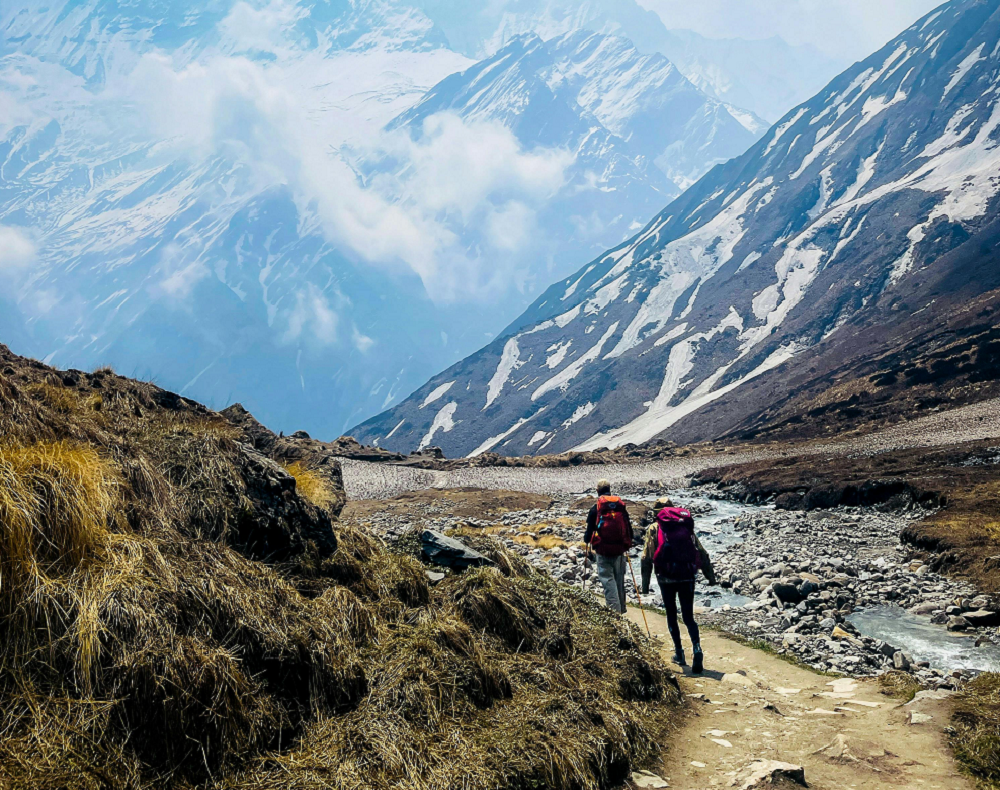
The Annapurna Circuit Trek isn’t just about conquering high passes or gazing at towering Himalayan peaks, it’s about immersing yourself in a living cultural landscape. Every village along the trail tells a story, shaped by ancient traditions, breathtaking scenery, and the daily rhythm of mountain life. From bustling trade towns to remote hamlets tucked beneath snow-capped giants, these villages offer trekkers more than a place to rest, they provide opportunities to connect with local people, sample regional food, and witness centuries-old customs that still thrive in the high Himalayas.
With dozens of stops along the route, it can be overwhelming to decide where to spend your limited trekking days. Some villages are ideal for acclimatization, offering both comfort and altitude safety. Others stand out for their spiritual landmarks, panoramic viewpoints, or unique cultural heritage. By choosing wisely, you’ll not only enjoy smoother trekking but also enrich your journey with experiences that make the Annapurna Circuit one of the world’s greatest long-distance treks.
This guide highlights the must-visit villages, the places that blend culture, practicality, and scenery, helping you plan smarter and trek deeper.
What Makes a Village Worth Visiting?
Cultural Immersion & Local Hospitality
Stay in locally run teahouses to experience Gurung, Thakali, and Tibetan-influenced life. Share dal bhat, spin prayer wheels, and time your visit to catch local festivals if possible.
Smart Acclimatization Stops
Villages like Manang and Yak Kharka are ideal for “climb high, sleep low” routines and extra rest days. Many have clinics or information centers that discuss altitude symptoms and prevention.
Unique Scenery & Photo Spots
From river valleys to high-desert plateaus, villages such as Pisang and Muktinath offer big-mountain views (Annapurna II, Gangapurna, Dhaulagiri) plus timeless monasteries and vantage points.
Best Villages to Visit on the Annapurna Circuit
Besisahar — Practical Starting Point (760 m)
Why stop: Permits (ACAP, TIMS), last-minute gear, logistics.
Good for: A calm start before the trail.
Tip: Spend one night to organize permits and transport.
Tal — Riverside Calm & Waterfalls
Why stop: Flat riverside setting and soothing waterfall views.
Good for: First nights on the trail; easy acclimatization.
Vibe: Stone houses, wide plain, gentle pace.
Chame — Cultural Hub of Lower Manang (2,670 m)
Why stop: Tibetan architecture, apple orchards, hot springs.
Good for: Culture + comfort before higher altitude.
Don’t miss: View of Paungda Danda rock face.
Pisang — Choose Your Route (Lower vs Upper)
Why stop: Decision point for Upper Pisang (bigger views, more traditional) or Lower Pisang (easier, faster).
Good for: Monasteries, sweeping Annapurna II views.
Tip: If energy allows, take Upper Pisang for scenery.
Manang — Acclimatization Capital (3,540 m)
Why stop: Medical clinic, HRA talks on altitude, bakeries, side hikes.
Good for: 2 nights to acclimatize.
Side trips: Ice Lake and Gangapurna Lake viewpoints.
Yak Kharka — Quiet High-Meadow Stop (≈4,050 m)
Why stop: Gentle gain before the pass; spot blue sheep and griffons.
Good for: 1 night to prepare for Phedi/High Camp.
Tip: Keep your pace slow; hydrate well.
Thorong Phedi / High Camp — Pre-Pass Base
Why stop: Staging points for Thorong La (5,416 m).
Choose: Phedi for better sleep; High Camp to shorten pass day if well acclimatized.
Tip: Early start, carry headlamp, keep snacks handy.
Muktinath — Sacred Village Beyond the Pass (3,800 m)
Why stop: Muktinath Temple (Hindu & Buddhist), 108 water spouts, eternal flame.
Good for: Spiritual pause and landscape shift to high-desert.
Vibe: Peaceful, reflective.
Kagbeni — Medieval Charm at Mustang’s Gateway (2,800 m)
Why stop: Mud-brick lanes, 15th-century monastery, Tibetan feel.
Good for: Culture lovers and photographers.
Tip: Great base before Jomsom or detours towards Upper Mustang (permit required).
How to Choose the Right Villages for Your Trek
By Duration & Goals
- 12-Day Focused Route: Besisahar → Chame → Pisang → Manang (2N) → Yak Kharka → Thorong Phedi → Muktinath → Jomsom.
- 15–18 Days (Scenic + Cultural): Add Tal, Upper Pisang, Ice Lake hike, Kagbeni, and optionally Tatopani.
If you want a shorter trek but still dream of standing right below giant peaks, the Annapurna Base Camp (ABC) Trek is a great choice. It takes you into the Annapurna Sanctuary, where you’ll be surrounded by mountains like Annapurna I and Machapuchare. Some trekkers even combine part of the Circuit with ABC for a fuller Himalayan adventure.
By Cultural Interest
Prioritize Upper Pisang, Kagbeni, and Muktinath for monasteries, rituals, and traditional homes. Consider homestays where available.
By Health & Acclimatization
Built in Manang (2 nights), then Yak Kharka → Phedi. Use side hikes for “climb high, sleep low.” Never skip acclimatization days to “save time.”
Tips for Visiting Villages Responsibly
Respect Local Customs
Walk clockwise around stupas. Remove shoes in temples/homes. Dress modestly. Ask before taking photos. Basic phrases, Namaste (hello), Dhanyabad (thank you)—go a long way.
Support Local Economies
Choose local teahouses, guides, and porters. Buy snacks/crafts in-village. Budget for fair tips.
Carry Cash & Essentials
ATMs vanish after Chame. Bring enough NPR for food, rooms, charging fees, and emergencies. Pack purifier, spare batteries, toiletries, and a mini first-aid kit.
Quick Planner: When to Pause & For How Long
- Chame: 1 night (comfort + culture)
- Pisang: 1 night (Upper if possible)
- Manang: 2 nights (talks, side hikes)
- Yak Kharka: 1 night
- Phedi/High Camp: 1 night (choose based on acclimatization)
- Muktinath: 1 night
- Kagbeni: 1 night (longer if exploring Mustang edge)
Safety & Health Note
High altitude carries real risk. Learn early symptoms (headache, nausea, poor sleep, loss of appetite). If symptoms worsen, descend. For medications like Diamox, consult your doctor before the trek.
Also, having a regular health check-up before traveling can prepare your body for the extra stress of trekking in the Himalayas.
Conclusion
The Annapurna Circuit Trek is more than a trek, it’s a journey through a mosaic of cultures, landscapes, and timeless mountain traditions. Each village along the route offers something unique, whether it’s a peaceful acclimatization stop, a spiritual encounter, or a window into the daily life of Himalayan communities. By carefully choosing where to pause, you’ll not only protect your health at altitude but also deepen your experience, connecting with people and places that make the circuit unforgettable.
Travel with curiosity, respect local customs, and support the communities that welcome trekkers year after year. If you do, every night on the trail will become more than just a rest stop, it will be a memory, a story, and a part of your own Himalayan adventure.