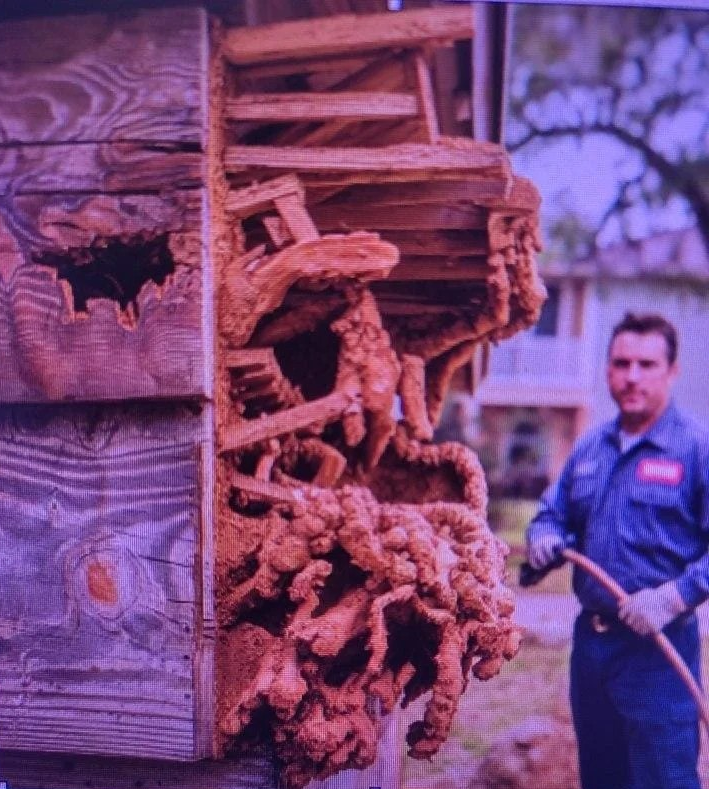
Termites are more than just a nuisance; they are a serious threat to the structural integrity of your home or business. If you live in San Antonio, a region with a warm climate that termites thrive in, protecting your property from these destructive pests should be a top priority. Fortunately, there are many termite control solutions available to help San Antonio residents safeguard their investments. In this article, we explore the most effective termite control methods, why they are important, and how to choose the right solution for your needs.
Understanding Termites and Their Impact
Termites are small, wood-eating insects that can cause extensive damage to buildings and wooden structures. There are several types of termites, but the most common in San Antonio are subterranean termites, drywood termites, and Formosan termites. Subterranean termites are particularly prevalent and known for building extensive underground colonies that can house millions of members.
Termites feed on cellulose, which is found in wood, paper, and other plant-based materials. If left unchecked, a termite infestation can weaken the structural integrity of your home, resulting in costly repairs. According to industry studies, termites cause billions of dollars in damages each year across the United States, with Texas being one of the most affected states due to its favorable climate.
Signs of a Termite Infestation
Early detection is critical in preventing significant damage. Here are some common signs of termite activity:
⦁ Mud Tubes: Subterranean termites build mud tubes to travel between their colonies and food sources. These tubes can often be found on walls, foundations, and crawl spaces.
⦁ Discarded Wings: Swarming termites shed their wings after mating, leaving behind small piles near windows, doors, and other entry points.
⦁ Hollow Wood: Tapping on wood that has been infested by termites often produces a hollow sound.
⦁ Frass: Drywood termites leave behind small piles of wood-colored droppings, known as frass, near the infested areas.
⦁ Blistered or Damaged Wood: Termites consume wood from the inside out, which may cause blistering or a weakened appearance.
If you notice any of these signs, it is important to act quickly to minimize damage.
Effective Termite Control Solutions
San Antonio residents have access to a variety of termite control methods. Each solution has its own advantages, and the best approach often depends on the severity of the infestation, the type of termites, and the property’s structure. Below are the most effective termite control solutions:
- Professional Termite Inspections
The first step in any termite control plan is a thorough inspection by a licensed professional. Termite control experts can identify signs of infestation, determine the extent of the damage, and recommend the most appropriate treatment options. Regular inspections, especially for properties in high-risk areas, are essential for early detection and prevention. - Liquid Termite Treatments
Liquid treatments involve applying termiticides to the soil around the foundation of a building. These chemicals create a barrier that termites cannot cross, effectively protecting the property from subterranean termites. Some advanced liquid treatments also kill termites within the colony, providing long-lasting protection. - Termite Baiting Systems
Baiting systems are an eco-friendly and highly effective option for termite control. Bait stations are strategically placed around the property to attract termites. Once the termites consume the bait and carry it back to their colony, it gradually eliminates the entire colony. This method is particularly effective for ongoing termite prevention and monitoring. - Fumigation
For severe infestations, fumigation is one of the most comprehensive solutions. This method involves sealing the entire building and introducing a gas that penetrates every corner, killing termites and other pests. Fumigation is often used for drywood termites and ensures that all hidden infestations are eradicated. - Wood Treatments
Wood treatments involve applying chemicals directly to wooden structures to protect them from termite damage. These treatments can include borate solutions, which prevent termites from feeding on the wood, and surface sprays that repel or kill termites on contact. - Moisture Management
Termites are attracted to moisture, so reducing moisture levels around your property can significantly reduce the risk of infestation. Fixing leaks, ensuring proper drainage, and ventilating crawl spaces are simple yet effective measures. - Integrated Pest Management (IPM)
IPM is a holistic approach that combines multiple methods to achieve long-term pest control. It involves regular inspections, preventive measures, and targeted treatments to keep termites at bay. IPM focuses on minimizing environmental impact while maximizing effectiveness.
Choosing the Right Termite Control Provider
When it comes to termite control, partnering with a reliable and experienced pest control provider is essential. Here are some factors to consider when choosing a service in San Antonio:
⦁ Experience and Reputation: Look for a company with a proven track record and positive customer reviews. Century Pest Control, for example, is a trusted provider in the area with extensive expertise in termite management.
⦁ Licensed and Certified Technicians: Ensure that the company employs licensed professionals who are trained in the latest termite control techniques.
⦁ Customized Solutions: A good provider will tailor their approach to your specific needs, taking into account the type of termites, the severity of the infestation, and your property’s unique characteristics.
⦁ Guarantees and Warranties: Look for companies that offer guarantees on their work, providing peace of mind that your termite problem will be resolved.
⦁ Transparent Pricing: Reputable providers should offer clear and upfront pricing, with no hidden fees.
Preventing Future Infestations
Preventive measures are just as important as treatment. Here are some tips to keep your property termite-free:
⦁ Maintain Your Property: Regularly inspect and maintain your home, repairing any leaks or damage that could attract termites.
⦁ Eliminate Wood-to-Soil Contact: Keep wooden structures like decks and fences off the ground to reduce the risk of infestation.
⦁ Store Firewood Away from the House: Firewood and other wood materials should be stored at least 20 feet away from your home.
⦁ Seal Cracks and Gaps: Close off any potential entry points to make it harder for termites to access your property.
⦁ Schedule Regular Inspections: Annual inspections by a professional can catch termite activity before it becomes a major problem.
Conclusion
Termites are a significant concern for San Antonio residents, but with the right termite control solutions, you can protect your property and maintain its value. From liquid treatments and baiting systems to fumigation and moisture management, there are plenty of options to address any infestation effectively. By working with a trusted pest control provider and taking preventive measures, you can enjoy peace of mind knowing your home or business is safe from termite damage. Don’t wait until it’s too late—act now to keep termites at bay.