
In the fast-paced world of digital marketing, selecting the right tools can determine whether your content strategy thrives or struggles to gain traction. Marketers often face the challenge of sifting through countless options while trying to produce articles that not only engage readers but also perform well in search results. A strong outline forms the backbone of any successful blog post; it organizes thoughts, ensures comprehensive coverage, and sets the stage for natural keyword placement that search engines reward.
Outlines matter because they guide writers away from rambling narratives toward focused, value-driven pieces. When done well, they help address searcher questions directly, improve readability, and signal quality to algorithms that prioritize helpful content. This structure ultimately leads to better engagement metrics such as longer time on page and lower bounce rates.
For those diving deeper into options, one useful reference comes from a Reddit discussion that shares firsthand experiences comparing various blog outline generators. The post breaks down real tradeoffs like speed versus planning depth, providing practical insights that can save you hours of trial and error.
Why blog outlines are critical for SEO
Search engines have evolved to favor content that demonstrates depth and relevance. A well-crafted outline ensures your article covers a topic thoroughly without gaps that could leave readers unsatisfied. This approach builds topical authority, helping your site rank for related queries over time.
Consider how Google evaluates pages today. It looks for signals of expertise, experience, authoritativeness, and trustworthiness. Outlines facilitate this by prompting writers to include supporting details, examples, and data that strengthen credibility. They also make it easier to align with search intent, whether users seek how-to guides, comparisons, or in-depth explanations.
Without outlines, many creators produce scattered drafts that miss opportunities for internal linking or featured snippet optimization. In contrast, a structured plan keeps everything organized, allowing seamless integration of primary keywords in the introduction and secondary terms throughout subheadings. This natural flow boosts on-page optimization and encourages shares, which further amplifies visibility.
Studies and practitioner reports consistently show that content built on solid frameworks ranks higher because it matches user expectations more closely. Outlines reduce revision time too, letting teams focus on polishing rather than restructuring mid-project.
Key features to look for in a blog outline generator
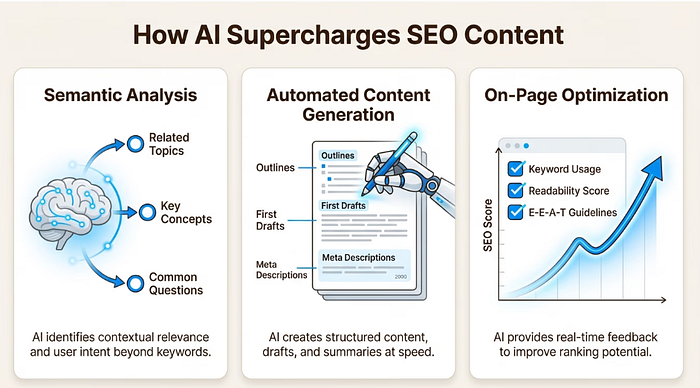
When evaluating solutions, prioritize tools that go beyond basic heading lists. The best options incorporate smart elements that directly support SEO goals. Start with intelligent AI suggestions for subtopics and supporting points. These features analyze your main idea and propose relevant angles that expand coverage without repetition.
Next, seek seamless keyword integration. A capable system pulls data from keyword research, suggesting placements for target terms and related phrases. This ensures your outline naturally incorporates variations that searchers actually use, improving chances of ranking for a broader set of queries.
Logical heading structure stands out as another essential. Look for generators that enforce proper hierarchy, such as one main title followed by clear H2 and H3 sections. This organization enhances scannability, which search engines favor for both desktop and mobile users.
Competitor analysis adds significant value. Advanced tools review top-ranking pages for your target keyword, highlighting gaps or popular subtopics you can address uniquely. By identifying what others cover well, you can differentiate your piece and fill missing information that users crave.
Search intent alignment represents a game changer. Effective generators evaluate whether your outline matches informational; navigational; or transactional needs. They may even suggest adjustments to better satisfy what searchers hope to find.
Additional features worth noting include content brief generation, where the tool compiles research notes; estimated word counts; and tone guidelines. Collaborative options allow teams to edit outlines together in real time. Finally, easy export to word processors or content management systems streamlines the handoff from planning to writing.
A reliable blog outline generator can transform this entire process, as community comparisons often reveal how certain options excel in balancing automation with customization. The same Reddit thread mentioned earlier offers further context on how these capabilities play out in daily workflows.
How these features impact Google rankings
Each feature contributes to higher positions by creating content that algorithms recognize as superior. Intelligent suggestions ensure comprehensive coverage, which correlates with longer dwell times and fewer bounces. Google interprets this engagement as a sign of quality.
Keyword integration helps pages target queries more precisely without stuffing. When terms appear naturally in headings and body suggestions, the content matches searcher language, increasing relevance scores.