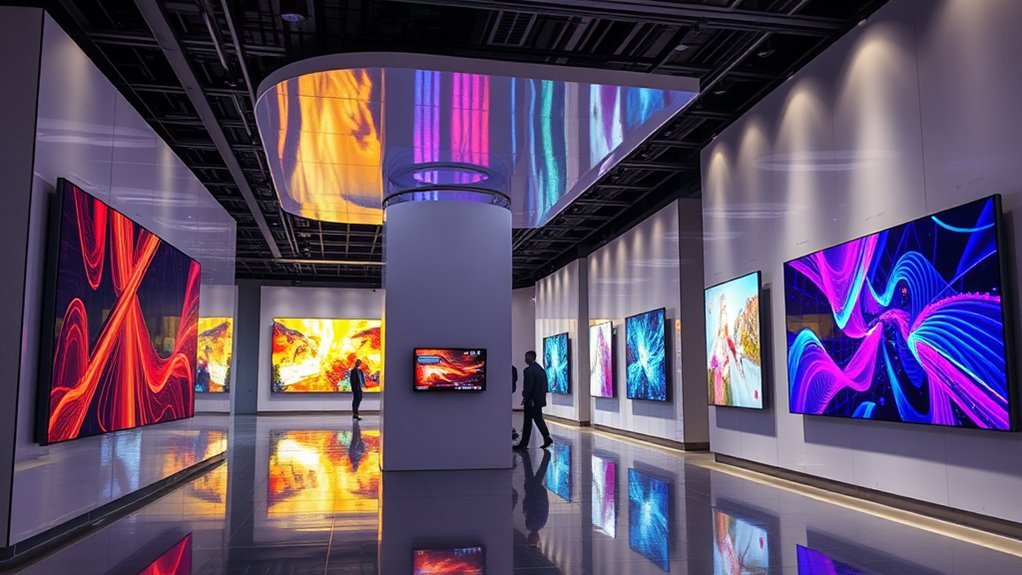
Marketing teams in 2026 operate in an environment shaped by speed, volume, and constant change. Campaigns move across websites, social platforms, email, and paid channels at the same time. Visual content sits at the centre of this activity. Images influence attention, comprehension, and recall faster than text alone. As expectations rise, marketing teams face pressure to produce more visuals while maintaining clarity and consistency. This reality explains why AI Image Generator platforms have become core marketing tools rather than optional experiments.
AI image generation has reshaped how marketing visuals are planned, created, and refined. The benefits extend beyond efficiency. They affect collaboration, creative direction, and strategic decision making.
Faster Visual Production Without Bottlenecks
Marketing timelines are often compressed. Campaign ideas evolve quickly, and visuals must keep pace. Traditional design workflows can slow this process when teams wait for assets or revisions. AI Image Generator platforms reduce this friction by allowing visuals to be created on demand.
When marketers can generate images directly from descriptions, they remove dependency bottlenecks. Campaign drafts gain visuals early, which improves internal alignment. Adjustments happen in minutes rather than days. Speed becomes a built-in advantage rather than a constant constraint.
This responsiveness allows teams to test ideas sooner and refine direction before launch.
Greater Alignment Between Message and Visuals
Marketing success depends on coherence. Visuals must support messaging rather than distract from it. AI image generation helps achieve this by allowing marketers to describe context, tone, and intent directly.
An AI Image Generator interprets descriptive prompts and produces visuals aligned with the message being communicated. This reduces reliance on generic stock images that often feel disconnected from copy. AI marketing visuals reflect specific scenarios rather than broad themes.
Alignment improves clarity for audiences. When visuals reinforce meaning, engagement increases.
Increased Creative Flexibility for Campaigns
Campaigns rarely follow a straight line. Market feedback, performance data, and seasonal factors all influence direction. AI image generation supports flexibility by making visual changes easier to execute.
Marketing teams can explore multiple visual directions without committing resources upfront. Concepts can be compared visually before decisions are finalised. This flexibility encourages experimentation without risk.
An AI Image Generator supports this process by responding to prompt adjustments quickly. Visuals evolve alongside strategy rather than lagging behind it.
Consistency Across Channels and Assets
Consistency remains one of the most difficult challenges for marketing teams. Brands communicate across many touchpoints. Maintaining a unified visual identity requires tools that behave predictably.
AI image generation helps by producing visuals that follow similar style cues when prompts remain consistent. Marketing teams can maintain tone and appearance across different assets without manual recreation.
Consistency builds recognition. Audiences learn to associate certain visual patterns with a brand. AI marketing visuals that support this recognition strengthen long term brand equity.
Better Collaboration Within Marketing Teams
Marketing teams include writers, strategists, analysts, and designers. Collaboration improves when ideas are shared visually rather than verbally alone. AI Image Generator platforms allow non designers to contribute visual concepts directly.
Writers can suggest imagery that matches copy. Strategists can visualise campaign themes. Designers can refine rather than originate every asset. This shared visual language improves collaboration and reduces misinterpretation.
AI image generation tools support this environment by making visual creation accessible while preserving creative control.
Cost Efficiency Without Creative Compromise
Marketing budgets are finite. Visual production often consumes significant resources. AI image generation reduces costs by handling routine asset creation automatically.
This does not remove the need for design expertise. It allows that expertise to focus on higher impact work. Designers spend less time producing repetitive visuals and more time shaping strategy and systems.
AI Image Generator platforms contribute to cost efficiency by reducing revision cycles and external dependencies. Quality remains intact because human judgement still guides final selection.
Speed to Market as a Competitive Advantage
Speed influences relevance. Campaigns that respond quickly to trends or data perform better. AI image generation allows marketing teams to act without delay.
Visuals can be generated and refined during planning rather than after. This shortens the path from idea to execution. Faster iteration leads to stronger alignment between message and timing.
In competitive markets, speed to market often separates effective campaigns from missed opportunities.
Scalable Visual Output for Growing Teams
As organisations grow, so do content demands. Marketing teams need tools that scale without adding complexity. AI Image Generator platforms support scale by handling increased output without proportional effort.
Teams can produce more AI marketing visuals without expanding production pipelines. This scalability supports growth without sacrificing consistency.
AI image generation tools that behave reliably integrate smoothly into expanding workflows.
Supporting Data Driven Marketing Decisions
Modern marketing relies on data. Campaigns are tested, measured, and refined. Visuals play a role in this process by influencing engagement metrics.
AI image generation allows teams to test visual variations efficiently. Different concepts can be evaluated without full production investment. Insights gained inform future decisions.
An AI Image Generator becomes part of the feedback loop rather than a static asset provider.
The Role of the iMini AI Platform in Marketing Workflows
Some platforms stand out for how well they fit marketing needs. The iMini AI illustrates how AI image generation can support marketing teams through controlled, predictable output.
The iMini AI platform responds well to natural language prompts, which suits marketing environments where clarity matters. Visuals remain consistent across variations, helping teams maintain campaign coherence.
As an AI Image Generator, the platform supports use cases such as campaign drafts, article imagery, social visuals, and presentation graphics. These tasks benefit from speed and accuracy rather than experimental effects. More information about the platform is available at https://imini.com/.
Maintaining Quality Through Human Oversight
AI image generation does not remove responsibility from marketing teams. Human oversight remains essential. Marketers review visuals for alignment, context, and suitability before publication.
AI Image Generator platforms that support refinement rather than automation alone fit better within professional marketing standards. They encourage thoughtful use rather than unchecked output.
Quality control remains a human task supported by AI efficiency.
Adapting Marketing Skills in 2026
The rise of AI marketing visuals has shifted skill requirements. Marketers develop stronger visual literacy and clearer communication skills. Writing effective prompts becomes part of campaign planning.
This shift enhances rather than diminishes creative roles. Marketers engage more deeply with visual storytelling. AI image generation supports this engagement by reducing technical barriers.
Teams that adapt to these skills gain more value from AI Image Generator platforms.
Balancing Creativity and Control
One concern often raised is whether AI image generation limits creativity. In practice, the opposite occurs when tools are used thoughtfully. AI Image Generator platforms handle execution while humans guide direction.
Control remains with the team. Creativity expands because ideas can be tested quickly. Marketing teams explore visual approaches without committing prematurely.
This balance defines effective use in 2026.
Why Marketing Teams Continue to Adopt AI Image Generators
The benefits of AI image generation for marketing teams are practical and cumulative. Faster production, clearer alignment, improved collaboration, and scalable output all contribute to performance.
AI Image Generator platforms succeed when they integrate quietly into workflows and support real work. Marketing teams adopt what helps them meet goals.
As visual demands continue to rise, AI marketing visuals will remain central to how teams communicate. The benefits are not theoretical. They are visible in how campaigns are planned, executed, and refined every day.