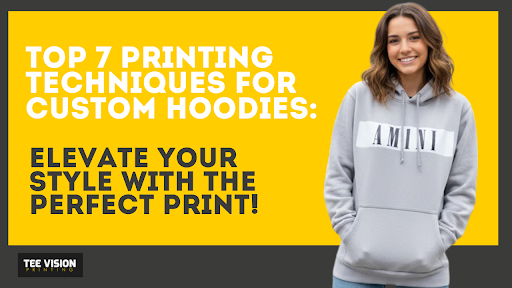
In today’s fashion landscape, custom hoodies have become a staple, merging comfort with unique self-expression. But what’s the secret to achieving that standout style? The answer lies in the printing technique you choose. From bold graphics to subtle designs, the right print can transform a basic hoodie into a personalized masterpiece that reflects your individuality. In this article, we’ll explore the top seven printing techniques for custom hoodies, revealing how each method can elevate your style. Whether you’re looking to make a statement or create something that stands out in a crowd, understanding these techniques will empower you to make informed decisions for your next hoodie project. Get ready to dive into the vibrant world of hoodie printing and discover how to achieve that perfect print that elevates your style to the next level!
Overview of Popular Printing Techniques
Custom hoodies have become an iconic piece in modern fashion, blending comfort with the potential for personalized creativity. The secret to creating a standout hoodie lies in the printing technique chosen to bring your design to life. From intricate graphics to simple logos, the printing method can dramatically impact the final look and feel of the garment. Understanding the various printing options available is crucial for achieving your desired outcome. In this section, we’ll provide an overview of the most popular printing techniques used in the industry today.
Screen printing is often the first method that comes to mind when people think of custom apparel. Known for its durability and vibrant colors, screen printing has been a go-to choice for decades. It’s ideal for large orders and designs that require solid color coverage. The process involves creating a stencil (or screen) for each color in the design, which is then pressed through the screen onto the fabric. This method can produce high-quality prints that stand the test of time, making it a favorite for many.
Direct-to-Garment (DTG) printing is gaining popularity due to its ability to produce highly detailed and colorful designs. Unlike screen printing, DTG uses inkjet technology to spray ink directly onto the fabric. This allows for complex images with a vast color palette, including gradients and subtle shades. The results are soft to the touch and can handle intricate details that other methods struggle to achieve. DTG is perfect for small batches or one-off designs, offering flexibility and precision.
Heat transfer printing is another versatile option, known for its ease of use and adaptability to various materials. This technique involves applying heat and pressure to transfer a design from a special paper onto the fabric. Heat transfer is particularly popular for its ability to reproduce photographic images and complex graphics. It’s also a great choice for producing custom hoodies on demand, as it doesn’t require the same setup time as screen printing.
Screen Printing: The Classic Choice
Screen printing remains a leading choice for custom hoodie production due to its longevity and vibrant results. This method involves creating a stencil, or screen, for each color in the design. The screens are then used to apply layers of ink onto the fabric, one color at a time. This process can be labor-intensive, especially for multi-colored designs, but the payoff is a high-quality, durable print that can withstand numerous washes.
One of the primary advantages of screen printing is its ability to produce bold, opaque colors. The inks used in screen printing are thicker than those used in other methods, which means they sit on top of the fabric rather than soaking in. This results in a vivid, long-lasting design that’s resistant to fading and cracking. It’s especially effective for large, solid areas of color and is often the preferred choice for sports teams, schools, and businesses needing bulk orders.
However, screen printing does have some limitations. The setup process is complex and time-consuming, making it less cost-effective for small orders or one-off designs. Each color in the design requires a separate screen, so multi-colored prints can become quite expensive. Additionally, fine details and small text can be challenging to achieve with this method. Despite these drawbacks, screen printing remains a top choice for its durability and vibrant results.
Direct-to-Garment (DTG) Printing: Detailed Designs
Direct-to-Garment (DTG) printing is revolutionizing the world of custom apparel with its ability to produce highly detailed and colorful designs. This method uses a specialized inkjet printer to spray water-based inks directly onto the fabric. The inks are absorbed by the fibers, creating a soft, breathable print that doesn’t crack or peel over time. DTG is particularly well-suited for complex images that include gradients, shading, and a wide range of colors.
One of the main advantages of DTG printing is its flexibility. Unlike screen printing, which requires separate screens for each color, DTG can print a full-color image in one go. This makes it ideal for small orders, one-off designs, and prototypes. The setup process is relatively simple, allowing for quick turnaround times and customization on demand. Artists and designers appreciate the ability to reproduce intricate details and photographic images with precision.
However, DTG printing does have some limitations. The cost per print is generally higher than screen printing, making it less economical for large orders. The inks used in DTG printing can also be less vibrant on dark fabrics, requiring a white underbase to achieve the desired opacity. Despite these challenges, DTG remains a popular choice for its ability to produce high-quality, detailed prints with a soft hand feel.
Heat Transfer Printing: Versatility and Ease
Heat transfer printing is a versatile and user-friendly method that has gained popularity for custom hoodie production. This technique involves printing a design onto a special transfer paper, which is then applied to the fabric using heat and pressure. The heat causes the ink to adhere to the fabric, resulting in a durable, high-quality print. Heat transfer is particularly known for its ability to reproduce complex graphics and photographic images with excellent clarity.
One of the key benefits of heat transfer printing is its versatility. It can be used on a wide range of materials, including cotton, polyester, and blends. This makes it a popular choice for custom apparel, as well as other items like bags and hats. The process is relatively simple and doesn’t require the extensive setup of screen printing, making it ideal for small orders and on-demand production. Additionally, heat transfer allows for quick customization, enabling businesses to offer personalized products with minimal lead time.
Despite its many advantages, heat transfer printing does have some limitations. The prints can be less durable than those produced by screen printing or embroidery, particularly if not properly cared for. Repeated washing and exposure to heat can cause the design to crack or fade over time. However, advancements in transfer technology have significantly improved the durability of these prints, making heat transfer a reliable option for many applications.
Sublimation Printing: Vibrant and All-Over Designs
Sublimation printing is a cutting-edge technique that produces vibrant, all-over designs on custom hoodies. This method involves printing a design onto a special paper using sublimation inks, which are then transferred to the fabric using heat and pressure. The heat causes the inks to transform into a gas, which penetrates the fibers of the fabric, creating a permanent, full-color print. Sublimation printing is particularly known for its ability to produce bold, vivid colors and intricate designs that cover the entire garment.
One of the main advantages of sublimation printing is its ability to produce high-quality, detailed prints that are resistant to fading and cracking. Because the inks become part of the fabric, the design is soft to the touch and maintains its vibrancy even after repeated washing. This makes sublimation an ideal choice for athletic wear, fashion apparel, and other items that require both durability and visual appeal. Additionally, sublimation allows for seamless, all-over designs that can cover the entire garment, providing a unique and eye-catching look.
However, sublimation printing does have some limitations. It is best suited for synthetic fabrics, such as polyester, and may not produce the same vibrant results on natural fibers like cotton. Additionally, the process can be more expensive than other printing methods, making it less cost-effective for large orders. Despite these challenges, sublimation remains a popular choice for its ability to produce high-quality, full-color prints that stand out in a crowd.
Vinyl Cutting: Bold and Durable Graphics
Vinyl cutting is a popular printing technique that produces bold and durable graphics on custom hoodies. This method involves cutting a design out of a sheet of colored vinyl using a specialized plotter, which is then heat-pressed onto the fabric. The result is a high-quality, durable print that can withstand repeated washing and wear. Vinyl cutting is particularly well-suited for simple designs, text, and logos, and is known for its ability to produce crisp, clean lines and solid colors.
One of the main advantages of vinyl cutting is its durability. The vinyl material is resistant to fading, cracking, and peeling, making it ideal for items that will see heavy use. This makes it a popular choice for sports teams, work uniforms, and other apparel that requires long-lasting graphics. Additionally, vinyl cutting allows for quick and easy customization, as designs can be created and applied in a matter of minutes. This makes it a great option for small orders and on-demand production.
However, vinyl cutting does have some limitations. The process is best suited for simple designs with solid colors, as intricate details and gradients can be challenging to achieve. Additionally, the vinyl material can add a slight stiffness to the fabric, which may not be ideal for all applications. Despite these challenges, vinyl cutting remains a popular choice for its durability, versatility, and ability to produce high-quality, long-lasting prints.
Embroidery: Adding Texture and Elegance
Embroidery is a classic and elegant printing technique that adds texture and dimension to custom hoodies. This method involves using a specialized sewing machine to stitch a design onto the fabric using colorful threads. The result is a high-quality, durable design that stands out and adds a touch of sophistication to any garment. Embroidery is particularly well-suited for logos, monograms, and other designs that benefit from a textured, three-dimensional look.
One of the main advantages of embroidery is its durability. The stitched design is resistant to fading, cracking, and peeling, making it ideal for items that will see heavy use. This makes it a popular choice for corporate apparel, team uniforms, and other items that require a professional, long-lasting finish. Additionally, embroidery can be used on a wide range of materials, including cotton, polyester, and blends, making it a versatile option for custom apparel.
However, embroidery does have some limitations. The process can be more expensive than other printing methods, particularly for complex designs that require a high stitch count. Additionally, the embroidered design can add a slight stiffness to the fabric, which may not be ideal for all applications. Despite these challenges, embroidery remains a popular choice for its durability, elegance, and ability to add a touch of sophistication to any custom hoodie.
Choosing the Right Printing Technique for Your Needs
Selecting the right printing technique for your custom hoodie project is crucial for achieving the desired outcome. With so many options available, it can be challenging to determine which method is best suited for your needs. Several factors should be considered when making this decision, including the type of design, the fabric of the hoodie, the quantity of the order, and the budget.
For designs that require vibrant, solid colors and durability, screen printing is an excellent choice. This method is ideal for large orders and designs with few colors, as the setup process can be time-consuming and expensive for multi-colored prints. Screen printing produces high-quality, long-lasting prints that are resistant to fading and cracking, making it a popular choice for sports teams, schools, and businesses.
If your design includes intricate details, gradients, and a wide range of colors, Direct-to-Garment (DTG) printing may be the best option. This method uses inkjet technology to spray ink directly onto the fabric, allowing for complex images with a vast color palette. DTG is perfect for small batches or one-off designs, offering flexibility and precision. However, it can be more expensive than screen printing, making it less economical for large orders.
Heat transfer printing is a versatile and user-friendly option that is ideal for reproducing complex graphics and photographic images. This method involves applying heat and pressure to transfer a design from a special paper onto the fabric. Heat transfer is particularly popular for its ability to reproduce photographic images and complex graphics. It’s also a great choice for producing custom hoodies on demand, as it doesn’t require the same setup time as screen printing.
Sublimation printing is a cutting-edge technique that produces vibrant, all-over designs on custom hoodies. This method involves printing a design onto a special paper using sublimation inks, which are then transferred to the fabric using heat and pressure. Sublimation printing is particularly known for its ability to produce bold, vivid colors and intricate designs that cover the entire garment. However, it is best suited for synthetic fabrics, such as polyester, and may not produce the same vibrant results on natural fibers like cotton.
Vinyl cutting is a popular printing technique that produces bold and durable graphics on custom hoodies. This method involves cutting a design out of a sheet of colored vinyl using a specialized plotter, which is then heat-pressed onto the fabric. Vinyl cutting is particularly well-suited for simple designs, text, and logos, and is known for its ability to produce crisp, clean lines and solid colors. However, the process is best suited for simple designs with solid colors, as intricate details and gradients can be challenging to achieve.
Embroidery is a classic and elegant printing technique that adds texture and dimension to custom hoodies. This method involves using a specialized sewing machine to stitch a design onto the fabric using colorful threads. The result is a high-quality, durable design that stands out and adds a touch of sophistication to any garment. Embroidery is particularly well-suited for logos, monograms, and other designs that benefit from a textured, three-dimensional look.
Ultimately, the best printing technique for your custom hoodie project will depend on your specific needs and preferences. By considering the type of design, the fabric of the hoodie, the quantity of the order, and the budget, you can make an informed decision that will result in a high-quality, personalized garment that reflects your unique style.
Conclusion: Elevate Your Hoodie Game
Custom hoodies have become a canvas for self-expression, allowing individuals to showcase their unique style and creativity. The printing technique chosen to bring a design to life plays a crucial role in the final look and feel of the garment. From the durability and vibrancy of screen printing to the detailed precision of Direct-to-Garment (DTG) printing, each method offers its own set of advantages and limitations.
Heat transfer printing provides versatility and ease of use, making it ideal for complex graphics and photographic images. Sublimation printing stands out for its ability to produce vibrant, all-over designs that cover the entire garment. Vinyl cutting offers bold, durable graphics that are perfect for simple designs, while embroidery adds texture and elegance, creating a sophisticated, three-dimensional look.
Selecting the right printing technique for your custom hoodie project involves considering various factors, including the design, fabric, order quantity, and budget. By understanding the strengths and limitations of each method, you can make an informed decision that ensures your hoodie is not only stylish but also high-quality and long-lasting.
Whether you’re looking to create a one-of-a-kind piece or produce a batch of custom hoodies for a team or event, the right printing technique can elevate your style and make a lasting impact. Embrace the possibilities, experiment with different methods, and discover how to achieve the perfect print that truly reflects your individuality. With the right approach, you can transform a basic hoodie into a personalized masterpiece that stands out in any crowd.
Elevate your hoodie game by exploring these top seven printing techniques and finding the one that best suits your vision. Whether you’re a designer, business owner, or fashion enthusiast, understanding these methods will empower you to create custom hoodies that are both stylish and meaningful. Dive into the vibrant world of hoodie printing and take your style to the next level! Visit Tee Vision Printing today!
FAQs
FAQ 1: Which printing technique is best for long-lasting hoodie designs?
Screen printing and embroidery are the top choices for durability. Screen printing creates bold, long-lasting prints, while embroidery offers a premium finish that withstands heavy wear and frequent washing.
FAQ 2: What is the most affordable printing method for custom hoodies?
For larger orders, screen printing is usually the most cost-effective. For small quantities or one-off designs, DTG printing and heat transfer are budget-friendly options since they require little to no setup.
FAQ 3: Can I print detailed or photo-quality designs on hoodies?
Yes. Direct-to-Garment (DTG) printing is the best choice for detailed artwork, gradients, and photo-quality images. It produces crisp, high-resolution results perfect for multi-color designs.
FAQ 4: Do you offer printing for names, numbers, and personalized hoodies?
Absolutely. Tee Vision Printing offers both vinyl and heat transfer printing, which are ideal for customization like names, numbers, and team apparel.
FAQ 5: How do I choose the best printing technique for my project?
Consider your design complexity, fabric type, order size, durability needs, and budget. If you’re unsure, the Tee Vision Printing team can review your artwork and recommend the most suitable method for your hoodie.