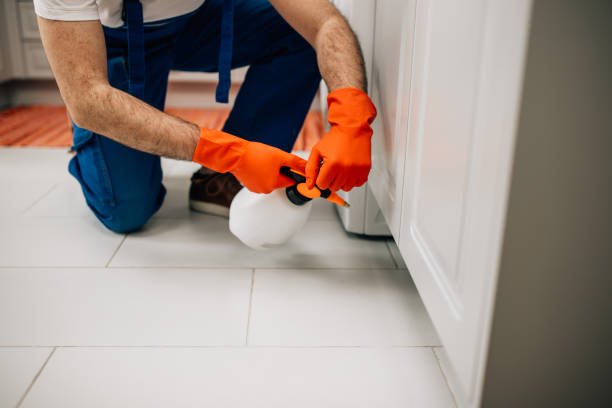
Finding evidence of rodents in your home can be deeply unsettling. The scratching inside the walls at night, chewed food packaging in the pantry, or small droppings tucked behind appliances are not just minor inconveniences; they are warnings. While many homeowners instinctively rush to buy traps, truly effective rodent management requires more than a quick reaction. It demands awareness, planning, and long-term prevention. This article explores a practical, human-centered approach to controlling rodents in urban homes, focusing on sustainable strategies that protect both your property and your peace of mind.
- Understanding Why Urban Homes Attract Rodents
Cities provide rodents with everything they need to survive: warmth, shelter, and food. Homes unintentionally create ideal nesting environments. Even small construction gaps; such as unsealed pipe openings, roofline cracks, or spaces under doors can serve as entry points. Rodents are highly adaptable and constantly searching for safer territory. From their perspective, your home is not an intrusion; it is an opportunity.
Recognizing this reality is the first psychological shift toward effective prevention. Instead of asking how to eliminate a few pests, the better question becomes how to make your property less attractive in the first place. That mindset forms the foundation of responsible control, especially in densely populated areas where rat control Brisbane solutions are frequently required.
- The True Impact of a Rodent Problem
Rodent activity often begins quietly. One mouse may seem harmless. However, the visible signs; droppings, gnawed materials, or noises in the ceiling are usually symptoms of a larger issue. Rodents contaminate surfaces with bacteria, urine, and allergens. Food storage areas can quickly become unsafe if not properly managed.
There is also a serious structural risk. Rodents gnaw continuously because their teeth grow throughout their lives. Electrical wiring, insulation, and wooden beams are common targets. When insulation is stripped from wires, it increases the risk of short circuits and potential fires hidden within walls. These dangers make early intervention essential.
- Why Simple Traps Often Fail
Many homeowners try over-the-counter traps first. While traps can reduce numbers, they rarely solve the underlying issue. Rodents are cautious creatures. When they encounter something unfamiliar, they may avoid it entirely. If one rodent is caught, others may learn to steer clear of the area.
In addition, traps placed without understanding rodent movement patterns can miss the main travel routes. Effective management depends on strategic placement, correct bait selection, and proper timing. Without these elements, repeated efforts may not resolve the infestation. This is why comprehensive rat control in Brisbane strategies emphasize behavior-based solutions rather than relying solely on hardware.
- The Power of Exclusion
One of the most reliable long-term methods of rodent management is exclusion. Exclusion involves identifying and sealing every potential entry point around the property. This process requires careful inspection of foundations, rooflines, vents, and utility penetrations.
Professionals typically use materials such as steel mesh or durable sealants that rodents cannot chew through. Unlike temporary fixes, these materials provide lasting protection. Exclusion transforms your home from an accessible shelter into a secured structure. Once existing rodents are addressed, exclusion ensures new ones cannot easily return.
This preventative approach is central to modern pest management and forms the backbone of sustainable rat control in Brisbane programs.
- Identifying High-Risk Areas in the Home
Certain areas are more vulnerable than others. Kitchens and pantries attract rodents due to consistent food sources. Garages often serve as transition zones between outdoors and living spaces. Attics and wall cavities provide warmth and privacy for nesting.
Homeowners should pay particular attention to these spaces during routine inspections. Signs such as shredded insulation, grease marks along walls, or small droppings may indicate activity. By monitoring these high-risk zones regularly, problems can be detected before they expand. Preventative awareness is far more effective than emergency response.
- The Speed of Reproduction
Rodents reproduce rapidly. Under favorable conditions, populations can increase exponentially within months. A single pair can lead to dozens of offspring in a short time. This rapid growth explains why minor signs should never be ignored.
Delaying action allows nests to expand and territories to become established. Once reproduction is underway, elimination becomes more complex and time-consuming. Immediate response remains one of the most important principles in effective rat control in Brisbane efforts. Swift intervention limits population growth and reduces overall damage.
- Protecting Health and Indoor Air Quality
Rodent infestations affect more than structures; they also impact health. Droppings and urine can contaminate surfaces and contribute to airborne particles, especially in enclosed areas such as attics or basements. This may aggravate allergies or respiratory conditions.
Rodents can also carry parasites, including fleas and mites, which may spread to pets and living areas. A thorough management plan should include sanitation after removal to reduce lingering contaminants. Cleaning and disinfecting affected spaces is an important step in restoring a safe indoor environment.
- The Role of Landscaping in Prevention
Exterior conditions strongly influence rodent activity. Overgrown shrubs near foundations create hiding places. Tree branches that touch the roof can provide easy access to upper levels of the home. Cluttered yards offer nesting opportunities.
Simple landscaping adjustments can significantly reduce risk. Keep vegetation trimmed, store firewood away from walls, and maintain a clear perimeter around the structure. Gravel borders or well-maintained pathways can further discourage movement toward the building. Outdoor prevention complements indoor efforts, supporting comprehensive control strategies.
- Continuous Monitoring for Long-Term Protection
Eliminating rodents once does not guarantee permanent protection. Because homes naturally provide shelter and warmth, ongoing vigilance is necessary. Regularly inspect entry points, check storage areas, and monitor for new signs of activity.
Routine awareness does not require constant intervention, but it does require consistency. Early detection prevents small issues from becoming large infestations. Think of monitoring as routine maintenance for your home’s protective system. Just as plumbing and electrical systems require periodic checks, pest prevention deserves the same attention.
Rodent management is most effective when approached as a long-term strategy rather than a short-term reaction. Understanding why rodents enter homes, addressing structural vulnerabilities, and maintaining consistent monitoring are all essential components of success.
By combining prevention, exclusion, sanitation, and timely intervention, homeowners can significantly reduce risks to health and property. In urban environments where rodent pressure is higher, structured and informed methods of rat control in Brisbane remain the most reliable solution. With patience, awareness, and the right approach, your home can stay secure, hygienic, and comfortable for years to come.
